

.svg)
.webp)
Introduction
Event check-ins can be one of the most frustrating bottlenecks at large gatherings. Long lines, manual verifications, and slow processing often result in frustrated attendees and wasted time. But what if there was a way to eliminate these delays, streamline the process, and enhance the overall event experience?
Facial recognition technology is transforming event registration by providing a seamless, hands-free check-in experience. With the global facial recognition market projected to reach USD 15.84 billion by 2030, growing at a CAGR of 14.9% from 2023 to 2030, this technology is not just a trend, it’s shaping the future of event management.
In this article, we’ll explore how facial recognition works in event settings, the security considerations you need to keep in mind, and actionable steps to implement this powerful tool for your next event.
Quick look
- Facial recognition check-ins provide fast, contactless entry, reducing wait times and eliminating manual ticket checks.
- Real-time crowd monitoring enables organizers to track check-ins, manage crowd flow, and adjust operations instantly, enhancing event efficiency.
- GDPR-compliant data encryption ensures attendee data is securely stored and handled, protecting privacy throughout the event.
- On-demand badge printing allows event organizers to print personalized badges immediately on-site, avoiding the need for pre-printed materials.
- fielddrive 2.0 offers end-to-end solutions, including intelligent design, real-time support, and post-event analytics, making event execution seamless and data-driven.
How Facial Recognition is Transforming Event Check-In?
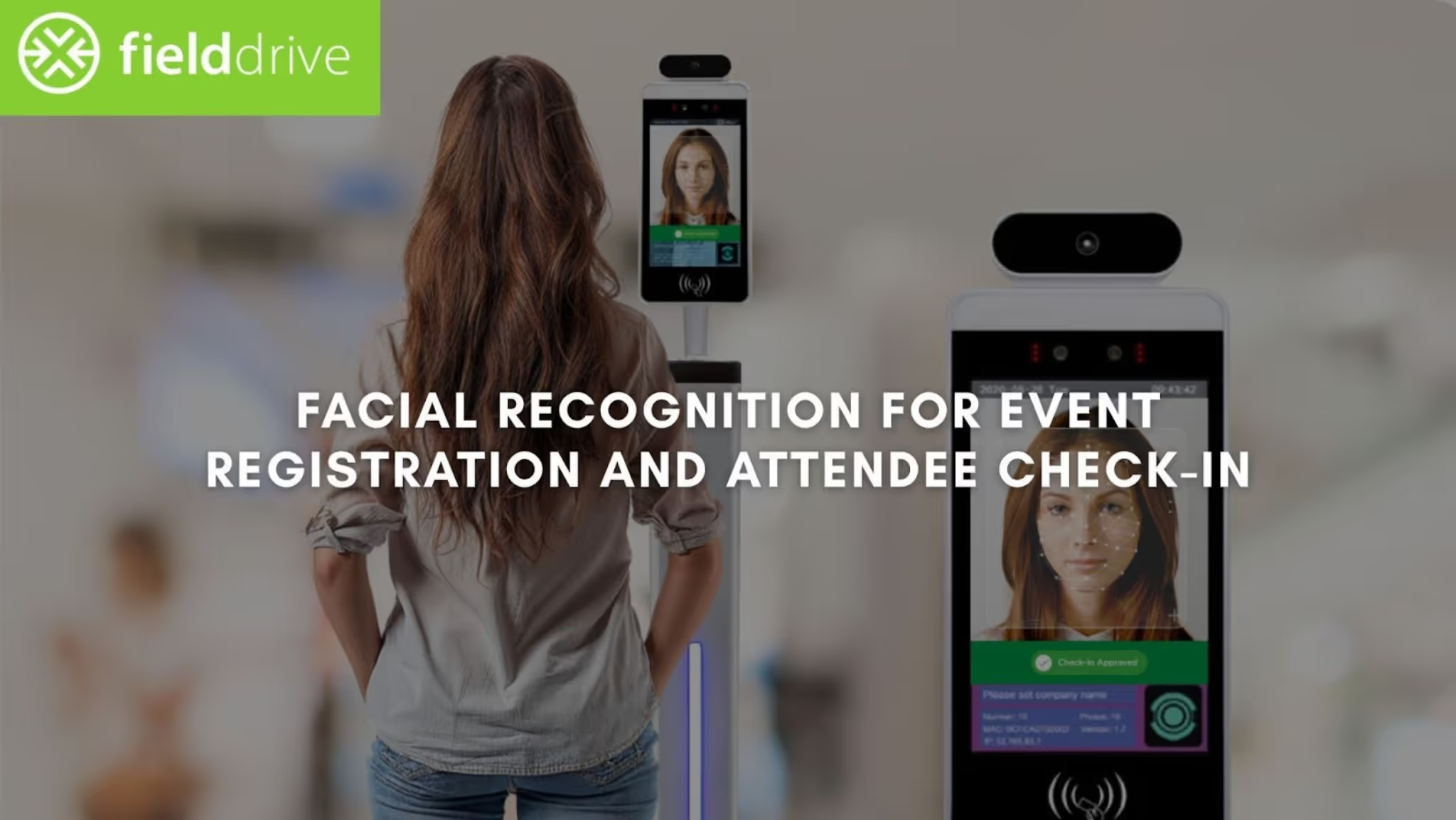
Facial recognition technology is a biometric system that identifies individuals by analyzing unique facial features, such as the distance between the eyes, jawline, and other key facial contours. In the event industry, this technology offers a seamless registration process by matching attendees' faces with pre-submitted images during check-in.
A simple scan allows for faster, more secure access, eliminating the delays of traditional methods. This hands-free approach simplifies registration and enhances security, ensuring only registered attendees gain access.
The Core Technology Behind Facial Recognition Event Registration
Facial recognition technology operates through a series of sophisticated processes that ensure accurate identification and verification. Here are the core principles that make this technology effective in event registration.
- Image Capture and Pre-Processing: Attendees submit a photo during pre-registration. This image is stored in a secure database, providing the foundation for identity verification on the event day.
- Face Detection: When attendees arrive, the system detects their faces in real-time, isolating each face within a crowd and preparing it for analysis.
- Feature Extraction: The technology identifies unique facial landmarks, such as eye distance, nose shape, and jawline, creating a distinctive facial "map" for each attendee.
- Face Matching and Verification: The system compares live images to pre-stored photos, checking for a match with high accuracy. If matched, attendees are automatically verified and granted access.
- Real-Time Identification and Access: Once verified, attendees can enter immediately, with the system logging each check-in to track attendance and monitor crowd flow.
Benefits of Facial Recognition Event Registration
Facial recognition technology streamlines event registration, enhancing both efficiency and attendee experience.
Here are the key benefits that make it a powerful tool for modern events.
- Quick, Contactless Entry: Facial recognition eliminates the need for manual ticket checks, enabling faster, hands-free entry that reduces attendees' wait times.
- Cost-Effective Check-In Process: Automating check-ins minimizes resource needs, cutting down on both equipment and staff required at entry points.
- Reduced Staffing Requirements: Less staff is needed for ticket scanning and ID verification, so resources can be reallocated to other event needs, improving overall efficiency.
- Enhanced Security: Facial recognition verifies each attendee’s identity with precision, preventing unauthorized access and adding an extra layer of security.
- Improved Data Accuracy: Digital check-ins reduce human error in attendee tracking, allowing for precise attendance records and reporting.
- Personalized Attendee Experience: Faster entry and seamless check-ins create a smoother experience, setting a positive tone for attendees right from arrival.

Now that you're convinced of its benefits, let's explore how you can implement facial recognition at your next event.
Steps to Implement Facial Recognition Event Registration
Implementing facial recognition for event registration requires a strategic, step-by-step approach to ensure smooth integration and attendee trust.
Here’s a breakdown of the key stages for setting up this technology effectively.
Pre-Event Preparation
Preparing for facial recognition at your event starts well before the event day. Setting up the right systems and informing attendees in advance ensures a smooth and efficient check-in process. Here’s how you can do that:
- Choose a Reliable Facial Recognition Provider: Select a provider with proven expertise in events to ensure high accuracy, data security, and GDPR compliance.
- Set Up a Secure Photo Submission Portal: Allow attendees to pre-register by uploading their photos through a secure platform, which will serve as the database for identity verification.
- Communicate Clearly with Attendees: Inform attendees about the use of facial recognition and its benefits, emphasizing data protection and consent options to build trust.
- Obtain Explicit Consent: Ensure all attendees give consent for their facial data to be used, complying with privacy laws and promoting transparency.
- Conduct Initial System Testing: Run preliminary tests to confirm system functionality, especially under varying lighting and environmental conditions, to avoid technical issues during the event.
- Train Staff on Technology and Privacy Protocols: Equip your event team with knowledge on how the technology works, privacy practices, and how to assist attendees with the process if needed.
During the Event
On event day, ensuring a smooth, secure, and efficient facial recognition check-in process is critical. Here are the essential steps to follow as attendees arrive.
- Set Up Dedicated Check-In Stations: Arrange clear, designated areas for facial recognition check-ins, allowing attendees to flow through efficiently without bottlenecks.
- Monitor Real-Time System Performance: Have a support team oversee the system in real-time, ready to address any technical issues promptly to avoid disruptions.
- Assist Attendees with Check-In: Position trained staff at check-in points to help attendees navigate the process, answer questions, and resolve any concerns.
- Feature Extraction and Matching: As attendees arrive, the system extracts unique facial features and matches them in real-time with pre-registered images in the database. This process ensures fast, precise identity verification.
- Maintain Data Security Protocols: Ensure that data access is restricted to authorized personnel only, reinforcing privacy measures as check-ins occur.
- Track Attendance and Monitor Flow: Use facial recognition to monitor attendee check-ins, providing real-time data on attendance numbers and crowd flow to optimize event management.

Post-Event
After the event, following up with post-event procedures helps secure data, measure success, and prepare for future events. Here are the essential steps to wrap up facial recognition and use it responsibly.
- Securely Delete or Archive Data: To protect attendee privacy, ensure all facial recognition data is either securely deleted or archived according to GDPR guidelines and data retention policies.
- Analyze Check-In and Attendance Data: Review data collected through facial recognition to gain insights into attendance patterns, peak entry times, and overall event flow. This analysis can help improve future event planning.
- Gather Feedback from Attendees: Survey attendees about their experience with facial recognition check-in, noting any concerns or suggestions to refine the process for future events.
- Evaluate System Performance: Assess the system’s functionality, identifying any issues that arose during check-in to improve the technology setup and troubleshooting strategies for future events.
Top 6 Strategies for Ensuring Security and Privacy
Implementing facial recognition at events requires a strong commitment to security and privacy to protect attendee data and maintain trust. Here are the top strategies for safeguarding data and ensuring compliance. Here’s how you can ensure security and privacy:
- Implement Data Encryption: Encrypt all facial data from the moment it’s collected to prevent unauthorized access and protect sensitive information during storage and transmission.
- Use GDPR-Compliant Data Handling: Ensure all processes align with GDPR guidelines, obtaining explicit attendee consent and providing options to opt-out, to uphold privacy standards.
- Limit Data Retention: Only store facial data for as long as necessary and securely delete it post-event, in line with data retention policies.
- Conduct Regular Security Audits: Schedule routine audits of facial recognition systems and data handling practices to identify and address any security vulnerabilities.
- Restrict Data Access: Limit access to facial recognition data to only essential, authorized personnel, using strict access controls to enhance data security.
- Educate and Inform Attendees: Communicate clearly with attendees about how their data is used, ensuring transparency and giving them the choice to participate.
With fielddrive’s secure, GDPR-compliant technology, enjoy peace of mind knowing your attendees’ data is protected at every step.
With security under control, it's also wise to consider potential challenges during implementation.
Managing Challenges in Facial Recognition Implementation
Implementing facial recognition technology at events can be highly beneficial, but it does come with certain challenges. Addressing these issues in advance helps ensure a smooth, secure, and positive experience for both organizers and attendees.
Here are the key challenges and ways to manage them:
1. Privacy Concerns
- Solution: Address privacy concerns by ensuring transparent communication. Clearly explain data usage, obtain explicit consent, and offer opt-out options to respect attendee preferences.
2. Data Security Risks
- Solution: Protect data with encryption, restrict access to authorized personnel only, and conduct regular security audits to identify and mitigate vulnerabilities.
3. Accuracy in High-Crowd Settings
- Solution: Use advanced algorithms designed for crowded environments and test the system thoroughly before the event to ensure it performs accurately under different conditions.
4. Cost of Technology and Implementation
- Solution: Evaluate budget constraints and work with vendors who offer scalable solutions that fit your event’s needs, ensuring a cost-effective implementation.
5. Potential for Bias in Recognition Algorithms
- Solution: Choose providers that actively work to eliminate algorithmic bias, conducting trials with diverse attendee groups to ensure fair and accurate identification.
6. Technical Failures and Troubleshooting
- Solution: Have a dedicated technical support team on standby during the event, equipped to handle any system issues promptly to avoid disruptions.
To overcome these challenges and ensure a seamless implementation of facial recognition technology, partnering with the right event tech provider is crucial.
Streamline Your Event Registration with Facial Recognition Technology
fielddrive is reshaping how event organizers handle attendee check-ins with its intelligence-driven onsite event solutions. Using advanced facial recognition technology, fielddrive not only speeds up the registration process but also ensures a seamless, secure, and memorable experience for every attendee.
With fielddrive 2.0, event organizers have a trusted partner from start to finish, guiding them through design, execution, and post-event insights, ensuring that every detail is optimized for smooth operations.
Key Features:
- Instant Facial Recognition Check-In: fielddrive’s facial recognition technology guarantees that attendees can check in within seconds, eliminating long wait times and ensuring a smooth, hands-free entry experience.
- On-Demand Badge Printing: Personalized badges are printed on-site as attendees check in, keeping the process flexible and eliminating the need for pre-printed materials.
- Real-Time Attendance Monitoring: With fielddrive’s system, track real-time check-ins, monitor crowd flow, and gain valuable insights to help optimize event operations instantly.
- Secure Data Management: fielddrive prioritizes data privacy by ensuring GDPR-compliant encryption for all attendee information, fostering trust and safeguarding sensitive data.
- Efficient VIP and Access Control: Manage VIP access and restricted areas seamlessly, ensuring that only authorized individuals can enter specific sections of the event.
- Reduced Staffing Needs: With self-check-in kiosks, fielddrive minimizes the need for staff at entry points, allowing your team to focus on enhancing the attendee experience throughout the event.

Wrapping Up
Facial recognition technology offers strategic advantages for event registration, from faster check-ins to enhanced security and accurate tracking. By automating identity verification, organizers can provide attendees with a seamless, efficient experience.
As technology advances, future developments like sentiment analysis and augmented reality may further enrich event interactions, setting new standards for security and personalization in event management.
fielddrive enhances event registration with instant, customized badge printing at check-in, creating a seamless and professional attendee experience from the start.
Embrace the speed, personalization, and innovation fielddrive brings to your event check-in process. Schedule a free demo today.
FAQs
1. How accurate is facial recognition for event check-ins?
Facial recognition technology offers high accuracy, with modern systems achieving over 99% reliability. The system compares facial features against pre-submitted photos, ensuring fast, precise identification, even in crowded environments. However, system performance can vary based on lighting, angle, and the quality of the image. Regular system testing helps improve overall accuracy.
2. Can facial recognition be used for virtual events?
Facial recognition is designed for in-person events, providing hands-free check-ins at physical entry points. For virtual events, however, other technologies like digital badges or QR codes are more suitable. Facial recognition works best in live event environments where physical presence and real-time identification are necessary.
3. Is facial recognition technology compliant with data privacy laws?
Yes, fielddrive’s facial recognition systems are GDPR-compliant and prioritize data security. All facial data is encrypted and stored securely, with explicit attendee consent obtained for data collection. fielddrive also follows strict data retention policies, ensuring data is used only for the event and deleted afterward, keeping attendees' privacy at the forefront.
4. How does facial recognition improve attendee experience at events?
Facial recognition streamlines the check-in process, reducing wait times and eliminating the need for physical tickets. Attendees enjoy a quick, seamless entry, setting a positive tone for the rest of their event experience. The hands-free nature of the technology makes the entire registration smoother and more efficient for everyone involved.
5. Can facial recognition be used for event access control?
Yes, facial recognition can be integrated with access control systems to manage VIP areas, restricted zones, or specific session entries. By verifying attendees’ identities at these points, it ensures that only authorized individuals can access certain areas, enhancing both security and guest experience during the event.
.svg)
.svg)
.svg)
Want to learn how fielddrive can help you elevate your events?
Book a call with our experts today


.svg)