

.svg)
.webp)
Introduction
Have you ever attended an event and struggled to identify key people just by looking at their badges? If you’ve been to a busy conference or trade show, this is a common issue that can slow down networking and disrupt the attendee experience.
With the global event management market valued at over USD 1,160 billion in 2024, it is expected to expand further from 2025 onward. As a result, event planners are increasingly investing in technology and design elements that improve engagement and operational workflows.
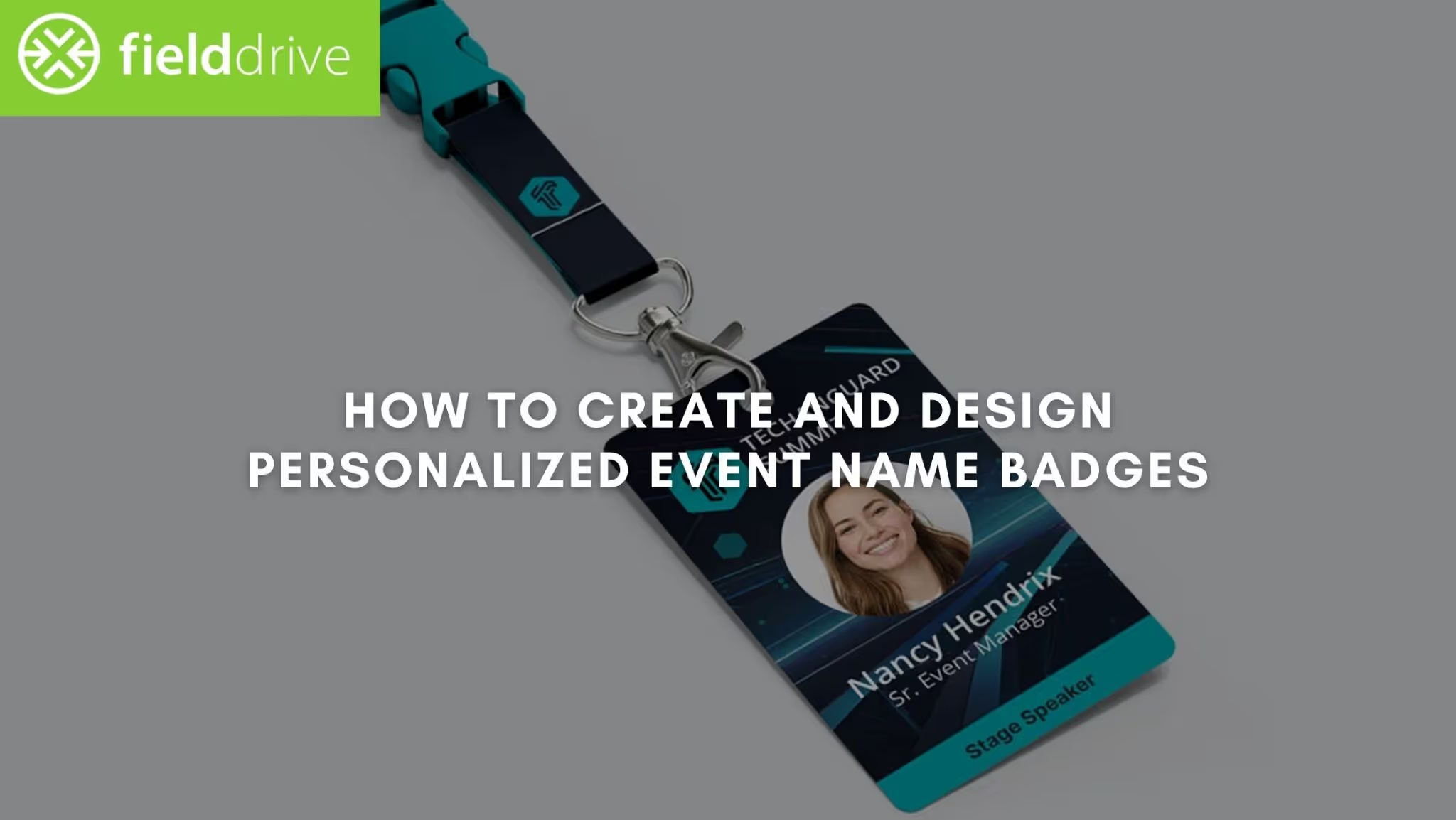
Personalized event name badges not only help attendees identify each other easily but also improve security, enhance networking, and support brand recall. In this article, we’ll walk you through why these badges matter, how to choose the right materials, and share practical design and customization techniques to help your event stand out.
Quick look
- Personalized event name badges boost attendee engagement and improve security by providing clear identification and facilitating networking.
- Include name, role, company, and event details to ensure the badge serves its functional purpose and enhances the attendee experience.
- Integrate QR codes and RFID chips for secure access control, faster check-ins, and post-event data collection.
- Select materials like plastic for durability, paper for short-term use, and eco-friendly options to appeal to sustainability-conscious attendees.
- fielddrive helps reduce check-in times, improve badge accuracy, and increase event security with instant, customizable badge printing and RFID technology.
Why Personalized Event Name Badges Matter?
Personalized event name badges go beyond just providing identification. They help create a more secure environment, streamline event check-ins, and enhance attendee networking. A badge that includes relevant details makes attendees feel recognized, boosting overall event satisfaction.
Why They Matter:
- Security: Personalized badges ensure only authorized attendees gain access, reducing the risk of unauthorized entry.
- Efficiency: They speed up the check-in process, reducing long wait times and creating a smoother event flow.
- Networking: By clearly displaying names and roles, badges facilitate more meaningful connections between attendees.
- Branding: Custom designs with event logos and colors reinforce event identity and professionalism.
- Recognition: Personalization makes attendees feel valued and enhances their overall experience.
Now that you understand their importance, let’s explore the key elements your event badges should include for maximum impact.
Key Elements to Include in Event Name Badges for Maximum Impact
Creating a standout event name badge requires careful attention to both essential information and visual appeal. To ensure your badges are effective and serve their purpose, here are the must-have elements:
- Name: The attendee’s full name should be the most prominent feature, as it’s the first thing people will look for when making connections.
- Role/Title: Displaying the attendee’s role or title helps others quickly identify their professional function, enabling smoother networking.
- Company/Organization Name: Including the company or organization name builds credibility and connects the attendee to their professional background.
- Event Information: Make sure to include the event name, date, and location for easy reference and to provide context for the attendee's participation.
- Branding Elements: Utilize logos, event themes, and sponsor information to reinforce the event’s branding and create a cohesive visual identity.
When these elements are thoughtfully combined, your event badges will help attendees quickly identify each other, increase networking opportunities, and enhance the professional atmosphere of your event.
Next, let’s look into selecting the right materials for your event badges to ensure they’re both functional and durable.
Choosing the Best Materials for Event Name Badges Based on Your Event Type
The material you select for your event name badges plays a vital role in their durability, comfort, and overall appearance. Choosing the right material ensures that the badges last throughout the event and match the event’s theme, size, and environment.
Here’s a guide to help you select the best material for your badges:
1. Plastic Badges
- Best for: Multi-day events, large conferences, trade shows, and high-traffic gatherings.
- Benefits:
- Durability: Resistant to wear and tear, waterproof, and long-lasting.
- Security: Ideal for access control when paired with QR codes or RFID.
- Why Choose: Plastic badges are perfect for events that demand high durability and frequent handling. They are especially useful in busy environments where badges need to withstand daily wear and stay legible.
2. Paper Badges
- Best for: One-day events, smaller gatherings, or smaller-budget events.
- Benefits:
- Cost-Effective: Inexpensive and great for quick, bulk printing.
- Customizable: Can be printed with custom designs and logos, making them an attractive choice for short-term events.
- Why Choose: Paper badges are ideal when you need low-cost, short-term badges for one-time events like workshops, seminars, or networking meetups.
3. Eco-friendly Materials
- Best for: Sustainability-conscious events and those looking to reduce their carbon footprint.
- Benefits:
- Environmentally Friendly: Made from recyclable, biodegradable, or plant-based materials.
- Sustainable: Eco-friendly badges can be reused or recycled after the event.
- Why Choose: If your event has a green initiative or you're hosting eco-conscious attendees, using eco-friendly badges shows your commitment to sustainability. Plus, it can enhance your event’s brand image as an environmentally responsible organizer.
4. Cloth or Fabric Badges
- Best for: VIP events, premium conferences, and high-end corporate gatherings.
- Benefits:
- Luxury Appeal: Adds a premium feel and is comfortable to wear for long durations.
- Branding Flexibility: Offers the ability to embroider logos and event details.
- Why Choose: Fabric badges are ideal for high-profile events where attendee experience and brand representation are key. These badges provide a sophisticated look and are perfect for exclusive events like galas, award ceremonies, and VIP functions.
Now that the materials have been discussed, let’s explore advanced customization techniques that will further elevate event badges.

Advanced Customization Techniques for Event Badges to Enhance Attendee Experience
Improving the attendee experience through advanced customization techniques makes your event stand out and ensures badges are more than just identification tools. Consider these impactful badge features:
1. QR Codes & RFID Chips
- Security & Access Control: Integrating QR codes or RFID chips adds a layer of security, allowing for quick check-ins, session access control, and attendance tracking. These features streamline the process and reduce wait times.
- Data Capture: QR codes can also store event information or personal data for post-event analytics, helping organizers understand attendee engagement.
Platforms like fielddrive offer seamless integration with RFID technology for instant badge printing, ensuring a smooth and secure event experience.
2. Photos
- Personalization & Security: Including a photo on the event badge creates a more personalized experience and enhances security by confirming the attendee’s identity. This is especially useful for high-profile events where attendee verification is critical.
- Branding Opportunity: Add your event logo or sponsor logos next to the photo for extra branding and a more cohesive visual identity.
3. Custom Colors & Themes
- Brand Alignment: Tailor the badge colors and design to align with your event’s branding. Use your brand palette and integrate the event’s theme colors to ensure the badge fits seamlessly into the overall event aesthetic.
- Visual Appeal: Custom colors make badges visually appealing and help attendees feel connected to the event. Well-designed badges add to the professionalism and atmosphere of the event.
4. Job Roles or VIP Status
- Customizing for Attendee Type: Identify VIPs, speakers, staff, and other important roles by clearly labeling each badge. This helps attendees easily spot key individuals and provides a more organized environment.
By implementing these advanced customization techniques, event badges do more than just identify attendees; they improve security, networking, and overall event professionalism.
With these customization options in mind, let’s walk through the step-by-step process for designing badges that truly stand out at your event.
Step-by-Step Guide: How to Design Event Name Badges That Stand Out
Designing effective event name badges involves more than just adding a name and logo. A well-designed badge plays a key role in improving attendee experience, security, and event branding.
Follow this step-by-step guide to create badges that will leave a lasting impression:
1. Define the Badge’s Purpose
- Why are the badges being used? Whether it’s for identification, networking, or access control, understanding the badge’s primary function will guide the design.
- Actionable Tip: For networking events, prioritize first names and job titles. For access control, incorporate QR codes or RFID chips.
2. Choose the Right Materials
- Consider durability and functionality based on the event duration. Multi-day events benefit from plastic or eco-friendly options, while paper badges work well for single-day events.
- Actionable Tip: Choose recyclable materials to appeal to eco-conscious attendees, and ensure the material can withstand wear and tear, especially for high-traffic events.
3. Organize Badge Layout for Maximum Readability
- First Name Priority: The first name should be the most prominent part of the badge, as it’s the primary identifier.
- Role/Title: Display the attendee’s role or title below the name in a smaller font, but still large enough for quick identification.
- Branding & Event Info: Include event name, date, and location to provide context and reinforce branding.
- Actionable Tip: Use large fonts (36-48 point) for the name and 18-24 points for the title/organization. Maintain whitespace for a clean, professional look.
4. Incorporate Branding and Custom Design
- Event Logos and Themes: Ensure the badge reflects the event’s branding by incorporating logos, colors, and themes that align with the event’s identity.
- Customization: Add QR codes or RFID chips for extra functionality, like event schedules, attendee tracking, or sponsor engagement.
- Actionable Tip: Keep the design simple and professional, avoiding overcrowding the badge with too many logos or images. One logo, one event theme color, and a clear badge design work best.
5. Ensure Comfort and Durability
- Attachment Method: Choose the appropriate badge holder or lanyard based on the event type. For longer events, reusable lanyards or clip-on badges are more comfortable.
- Material Choice: Ensure the badge material is lightweight and comfortable for wear throughout the event.
- Actionable Tip: For VIP badges, opt for fabric badges for a premium look and feel that stands out.
6. Test and Refine the Design
- Before finalizing the design, test it by printing a sample and reviewing its legibility, visual hierarchy, and aesthetic appeal. Ensure all information is easily readable from a distance.
- Actionable Tip: Get feedback from a small group of attendees or colleagues to ensure the badge is functional, readable, and aligns with the event goals.
By following these steps, you’ll create event name badges that are not only functional but also improve the overall attendee experience, making the event more professional and memorable.
Now that the design process is covered, let’s look into common mistakes when designing badges and how to avoid them.
Avoid These Common Mistakes When Designing Event Name Badges
Even a small design error can detract from the effectiveness of event name badges. Here are the most common mistakes to avoid:
- Unreadable Fonts
- Mistake: Using fonts that are too small or difficult to read.
- Solution: Use legible fonts with a font size of at least 36pt for names and 18-24pt for titles. Ensure good contrast between text and background.
- Cluttered Layout
- Mistake: Overcrowding badges with too much information, logos, or colors.
- Solution: Keep the layout clean with whitespace. Prioritize the attendee’s name, role, and company. Avoid multiple fonts or excessive graphics.
- Wrong Badge Attachment
- Mistake: Using single clips that cause badges to spin and become unreadable.
- Solution: Always use double clips or lanyards to keep badges facing forward. This ensures visibility throughout the event.
- Incorrect Badge Material
- Mistake: Choosing the wrong material for the event type.
- Solution: Select durable materials for multi-day events (e.g., plastic) and cost-effective options for short-term events (e.g., paper). Ensure the material matches the event's tone.
- Overcomplicated Design
- Mistake: Adding unnecessary elements like slogans or excessive sponsor logos.
- Solution: Stick to the essentials: name, role, and branding. Keep the design simple and functional for easy readability.
Avoiding these mistakes ensures your event badges are effective, professional, and user-friendly, leaving a lasting impression on attendees.
Now that the common mistakes are covered, this is where platforms like fielddrive come in to streamline the badge creation process, ensuring badges are both functional and professionally designed.
How fielddrive’s Custom Event Name Badges Improve Your Event Experience?
fielddrive is a leading provider of on-site event technology, specializing in custom event name badges that improve attendee engagement and streamline event operations. With fielddrive 2.0, event planners can create personalized badges quickly and efficiently, improving both security and the overall attendee experience.
What fielddrive Offers:
- Instant On-site Badge Printing: Print badges on-demand for quick check-ins and minimal wait times.
- Custom Badge Designs: Personalize badges with attendee names, roles, logos, and event details.
- RFID Integration: Enhance security with badges featuring RFID chips for access control and data tracking.
- Eco-friendly Options: Choose sustainable materials for eco-conscious events.
- Seamless Integration: Easily integrates with event registration platforms and other event management tools.
With fielddrive, event badges become more than just a tool for identification, they elevate the event experience, improving security, networking, and overall event success.
Wrapping Up
Personalized event name badges play a crucial role in improving security, networking, and branding at any event. By including essential details like names, roles, and event information, badges improve attendee experience and create a professional atmosphere. Customization options, such as QR codes and RFID chips, further enhance functionality.
fielddrive offers a seamless solution for creating customized event name badges, providing instant on-site printing, real-time badge customization, and RFID integration to streamline your event operations.
With fielddrive 2.0, event planners can increase efficiency, reduce check-in times, and enhance attendee satisfaction.
Book a demo today to discover how fielddrive can help you improve event badge efficiency, increase attendee satisfaction, and ensure your next event is a success.
FAQs
1. What is the best material for event name badges?
The best material for event name badges depends on the event's duration and purpose. Plastic badges are ideal for multi-day events due to their durability and water resistance. Paper badges work well for one-day events, while eco-friendly materials appeal to sustainability-focused events. Fabric badges are perfect for premium or VIP events because of their luxurious feel.
2. How can I make event badges more secure?
To improve badge security, QR codes and RFID chips can be integrated into the design. These technologies provide easy access control and prevent unauthorized entry. They can also allow for real-time attendee tracking and quick check-ins, ensuring security without causing delays at the event entrance.
3. How do QR codes improve event badge functionality?
QR codes on event badges offer more than just identification. They provide a quick scanning option for access control, enabling faster entry and preventing long queues. QR codes can also store attendee information, session schedules, or event details, making the event experience more interactive and data-driven.
4. What are the benefits of using eco-friendly materials for event badges?
Using eco-friendly materials such as biodegradable plastics or recycled options helps reduce the environmental impact of your event. These materials align with sustainability goals and appeal to eco-conscious attendees, enhancing your event’s reputation for being environmentally responsible. It’s a great way to attract environmentally aware guests.
5. How do RFID badges improve event management?
RFID badges offer multiple benefits for event management, including contactless check-ins that reduce wait times. They enable real-time tracking of attendee movement, enhancing security and personalized experiences. RFID also helps in gathering event analytics, offering valuable insights into attendee behavior and session popularity.
.svg)
.svg)
.svg)
Want to learn how fielddrive can help you elevate your events?
Book a call with our experts today


.svg)