

.svg)
.webp)
10 Effective Strategies to Reduce Peak Event Registration Congestion
Manage peak event registration congestion efficiently with proven strategies. Learn how to reduce delays and ensure a smooth attendee experience. Click here!
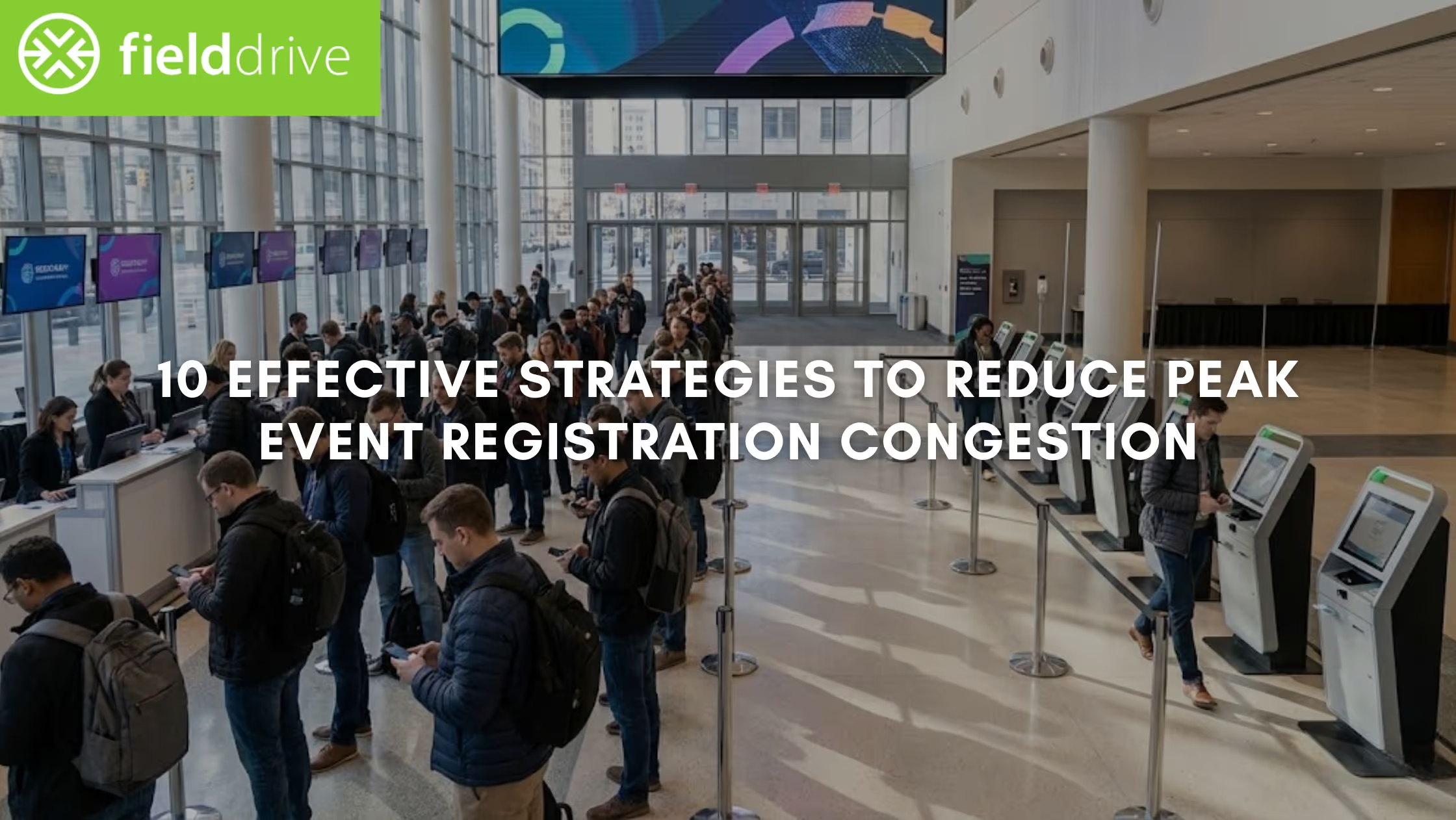
Every large-scale event reaches a critical moment when registration opens and demand spikes in a short window. Systems are tested, teams are stretched, and small inefficiencies quickly surface as delays and confusion.
This pressure intensifies because registration behavior is rarely evenly distributed. Nearly 45% of attendees register within the final four weeks before an event, and about 22% wait until the last week. These late surges compress demand into narrow timeframes, making registration congestion difficult to predict and control.
In this blog, you’ll understand why peak event registration congestion occurs, how it disrupts operations and attendee experience, and what proven strategies help manage demand without creating bottlenecks.
Key Takeaways
- Peak Registration Bottlenecks: Congestion occurs when too many attendees register in a short period, creating delays and operational strain.
- Late Registrations Drive Peaks: A large share of attendees register in the final weeks, compressing demand and intensifying congestion.
- Simplify Forms and Optimize Mobile: Complex forms and poor mobile usability slow completion and increase abandonment.
- Scalable Infrastructure Matters: Cloud-based systems and load testing ensure smooth performance during high-traffic periods.
- Early Registration Incentives Work: Offering discounts or exclusive perks motivates timely sign-ups, evens out demand, and enhances planning accuracy.
Why Peak Event Registration Congestion Happens
Peak event registration congestion is driven by attendee behavior, process design, and operational readiness. Systems and staffing designed for average demand often struggle during surges, exposing weaknesses in registration forms, infrastructure, and real-time monitoring, which quickly lead to delays.
Here are a few key factors that contribute to this congestion:
- Late Registrations Concentrate Demand: A large share of attendees register close to the event date, compressing demand into a short window. This limits time to adjust staffing, validate workflows, or scale infrastructure, allowing small inefficiencies to surface as delays.
- Registration Processes Reduce Throughput: Lengthy forms, unclear field rules, and non-intuitive navigation slow completion. During peak periods, lower throughput increases queues, abandonment, and repeat attempts, adding pressure to systems and support teams.
- Systems Strained by High Concurrency: Many platforms are designed for average traffic, not spikes. When thousands register simultaneously, performance drops, submissions fail, and retries multiply, further increasing system load.
- Limited Visibility Into Real-Time Demand: Without live insight into registration volume, drop-offs, and completion speed, teams identify congestion only after queues form. This limits immediate corrective actions such as reallocating staff or adjusting workflows during active registration periods.
- On-Site Dependence on Upstream Data: Congestion often begins online but manifests on-site through incomplete or delayed attendee records. Missing data slows badge generation, access control validation, and session entitlements, even when on-site systems are functioning correctly.
Together, these factors explain why peak event registration congestion is predictable. Now, let’s explore how they translate into operational challenges before and during event execution.
Operational Consequences of Peak Event Registration Congestion
Registration congestion triggers a chain reaction that affects multiple operational layers simultaneously. What begins as slowed registration quickly impacts data quality, staffing effectiveness, and on-site coordination. These effects often surface at the most visible moments of the event, increasing risk during check-in, access control, and session entry.
Below are the primary operational consequences observed during peak registration periods:
- Longer Wait Times and Damaged First Impressions: Slow-loading registration pages and crowded check-in counters are often the first touchpoint attendees experience. Delays at this stage increase frustration, reduce confidence in event organization, and can lower participation in sessions, networking, and sponsored activities.
- Data Integrity Issues and Support Overload: Under congested conditions, incomplete submissions, duplicate records, and manual data corrections become common. Support teams are pulled into reactive issue resolution, diverting time away from pre-event planning and increasing the risk of errors in badge printing, access control, and session assignments.
- Unreliable Attendance Forecasting: Late and clustered registrations reduce planning accuracy weeks before the event. This affects catering quantities, room allocation, staffing schedules, and vendor commitments, often leading to increased costs and last-minute changes.
- Staff Utilization Breakdowns: When congestion peaks, staff are often reassigned on the fly to manage queues and resolve issues. This reactive allocation disrupts planned roles, increases fatigue, and reduces consistency in attendee handling, especially during opening hours.
- On-Site Technology Bottlenecks: Peak registration exposes capacity limits in physical systems such as kiosks, badge printers, and scanners. Even with accurate data, constrained hardware throughput can slow check-in and extend queues across entry points.
Real-world Example: GlobalFoundries partnered with fielddrive to streamline event check-ins across 15 events, enhancing efficiency and attendee experience. Customizable kiosks and on-demand badge printing reduced wait times and provided personalized, branded interactions. Real-time data integration further optimized operations, ensuring smooth, scalable registration processes for all attendees.
Also Read: How QR Code Workshop Registration Transforms Event Check-In
Recognizing these operational impacts underscores the importance of proactive, structured strategies. Next, we explore 10 practical solutions to prevent and manage peak registration congestion.
10 Practical Strategies to Mitigate Peak Event Registration Congestion
Managing peak event registration congestion requires more than reactive fixes. It depends on coordinated technical, operational, and behavioral strategies to keep registration smooth and efficient. Below are 10 actionable strategies to manage peak registration periods effectively.
1. Simplify Your Registration Flow
Long, complex forms increase errors and reduce throughput during peak periods. Streamlining the registration process ensures attendees complete sign-ups quickly and accurately.
- Collect Essential Information Only: Focus on data critical for planning and compliance. Optional details, surveys, or preferences can be gathered after registration to reduce form fatigue.
- Use Clear Instructions and Intuitive Layout: Organize fields logically, provide inline instructions, and avoid ambiguous terminology. Intuitive navigation prevents attendee confusion and minimizes support inquiries.
- Enable Real-Time Validation: Validate user-entered inputs such as email addresses, phone numbers, and payment details as they are entered. Real-time feedback reduces submission failures and prevents repeated attempts that increase system load.
Why It Matters: A simplified registration flow directly reduces wait times, prevents abandoned registrations, and lowers support tickets during peak periods. This improves attendee satisfaction, ensures data accuracy, and allows your team to focus on operational priorities rather than troubleshooting form errors.
2. Optimize for Mobile Usage
A significant portion of registrations now occurs on mobile devices. If forms are not mobile-friendly, attendees face slow completion, input errors, or abandon the process altogether. Optimizing for mobile ensures a smoother experience during peak registration periods.
- Implement Responsive Design: Ensure forms adjust dynamically to all screen sizes, maintaining readability and usability across phones and tablets. Avoid layouts that require excessive zooming or horizontal scrolling.
- Enhance Touch Navigation: Use large tappable buttons, proper spacing between fields, and autofill where possible. This reduces typing effort, prevents errors, and accelerates completion.
- Mobile-Friendly Payment Options: Support digital wallets, credit cards, and auto-filled payment fields. Real-time input validation prevents failed transactions that could otherwise delay registration or cause retries.
Why It Matters: Mobile optimization directly reduces registration time, prevents abandonment, and minimizes system retries during traffic spikes. It ensures a seamless experience for attendees using phones or tablets, which can account for a large share of peak registration activity, keeping operations smoother and staff interventions lower.
3. Use Scalable Hosting and Load Testing
Peak registration surges can overwhelm servers if the platform is not built to handle high concurrency. Ensuring your system can scale and withstand peak traffic prevents slowdowns, failed submissions, and attendee frustration.
- Deploy Scalable Infrastructure: Use cloud-based platforms with auto-scaling to allocate resources as traffic spikes dynamically. This ensures consistent system performance even during unexpected registration surges.
- Conduct Load Testing: Simulate peak registration traffic before launch to identify performance bottlenecks, latency issues, and potential failure points.
- Monitor Performance Metrics: Track server response times, error rates, and throughput in real time to proactively adjust resources and prevent downtime.
Why It Matters: Scalable hosting and preemptive load testing minimize downtime, reduce repeated attempts that worsen congestion, and maintain a reliable registration experience during peak periods.
4. Offer Incentives for Early Registration
Encouraging early sign-ups spreads registration activity over time and reduces last-minute congestion, giving organizers predictable data for planning logistics, staffing, and resources.
- Implement Early-Bird Pricing: Offer discounted rates, exclusive access, or VIP perks for attendees who register early.
- Communicate Deadlines Clearly: Send automated reminders and clearly display cut-off dates to create a sense of urgency without confusion.
- Use Predictive Planning: Monitor early registrations to adjust staffing, catering, and session allocation well before peak registration periods arrive.
Why It Matters: Early registration incentives reduce traffic spikes, improve operational planning accuracy, and provide organizers with actionable insights for resource allocation.
5. Implement Real-Time Monitoring and Alerts
Proactive monitoring allows teams to identify and respond to congestion before it impacts attendees or operations.
- Track Submission Failures and Queue Lengths: Monitor incomplete or abandoned registrations and identify high-volume periods in real time.
- Set Automated Alerts: Configure notifications for unusual traffic spikes or system errors to trigger immediate staff intervention.
- Respond with Action Plans: Monitor registration metrics using dashboards and alerts. fielddrive’s analytics platform delivers real-time insights into check-ins and attendee flow, enabling staff to address bottlenecks proactively.
Why It Matters: Real-time monitoring ensures that potential bottlenecks are addressed instantly, preventing long delays, abandoned registrations, and operational strain during critical periods.
6. Prepare On-Site Contingency Plans
Even with optimized online registration, on-site congestion can occur when many attendees arrive simultaneously. Preparing for this ensures a smooth check-in and maintains attendee satisfaction.
- Multiple Check-In Counters and Mobile Printers: Distribute attendee flow across numerous points, reducing wait times and avoiding crowding.
- Cross-Train Staff: Ensure staff can handle registration, badge printing, and access control to provide flexibility during peak check-in periods.
- Integrate Registration Data: Sync online registration records with on-site systems in real time. fielddrive’s touchless event check-in kiosks and high-speed badge printing help maintain smooth attendee flow and minimize congestion at entry points.
Why It Matters: On-site contingency planning maintains attendee flow, protects the first impression, and ensures staff can respond quickly to unexpected peak arrivals.
7. Stagger Registration Windows
Phased registration reduces peak load by spreading demand over time, preventing system overload and long lines while giving staff more manageable workloads.
- Assign Priority Windows: Designate specific time slots for VIPs, returning attendees, or attendee groups. This spreads registration activity and ensures key participants complete sign-up early.
- Use Pre-Registration Codes: Provide access codes for early windows to control timing without confusing or frustrating registrants.
- Communicate Schedules Clearly: Inform all attendees of their registration window well in advance. Clear communication prevents clustering and ensures orderly registration.
Why It Matters: Staggered registration smooths traffic spikes, reduces stress on systems and staff, and minimizes the risk of data errors or operational bottlenecks during peak periods.
8. Use Automated Waitlists and Queuing
Managing overflow prevents system overload and keeps attendees engaged without manual intervention or confusion.
- Implement Virtual Queues: Place registrants in virtual queues for high-demand sessions or limited-ticket events. This controls the flow and prevents server strain.
- Notify Automatically: Automatically alert attendees when spots open so that they can register immediately without manual staff involvement.
- Integrate Waitlist Data: Ensure waitlist information syncs with the main registration system to avoid duplicates, errors, or miscommunication.
Why It Matters: Automated queuing ensures fairness, reduces support inquiries, and maintains a smooth registration experience even when demand exceeds capacity.
9. Communicate Registration Deadlines and Capacity Clearly
Behavioral cues guide attendee actions and reduce last-minute congestion, creating predictability for planners.
- Display Real-Time Availability: Show the number of remaining spots for sessions or overall registration directly on the landing page.
- Send Timely Reminders: Use email or app notifications to reinforce deadlines, ensuring attendees act promptly without confusion.
- Highlight Scarcity Strategically: Indicate when capacity is nearing limits to encourage early registration and reduce panic-driven last-minute spikes.
Why It Matters: Clear visibility of deadlines and capacity nudges attendees to register in advance, smoothing traffic patterns and improving operational forecasting.
10. Integrate Registration with CRM and Automation Tools
Automation reduces manual work and gives event teams actionable insights for real-time operational management.
- Sync Data with CRM Systems: Immediate access to registration data enables planners to monitor trends, track attendance, and make proactive adjustments.
- Automate Communication: Send confirmations, reminders, and alerts automatically, freeing staff from repetitive tasks and ensuring consistent messaging.
- Visualize Trends: Dashboards provide real-time insights into registration velocity, queue length, and system performance, enabling informed decision-making during peak periods.
Why It Matters: CRM integration and automation streamline workflows, reduce errors, enhance planning accuracy, and support rapid response to unexpected registration surges.
By implementing targeted strategies that address process design, technology readiness, and operational planning, organizers can reduce delays, improve attendee satisfaction, and maintain accurate data for event execution.
Also Read: Expert Tips On How To Find Your Perfect Event Registration Platform
Next, let’s explore how to measure the impact of your registration strategies to ensure they deliver real results.
How to Measure the Impact of Your Registration Strategies
Implementing strategies to reduce peak event registration congestion is just the first step. To ensure your efforts are effective, track these four key signals:
- Registration Velocity: Monitor how quickly attendees are signing up. A measurable shift of 10-15% toward earlier registrations indicates your interventions, whether incentives, behavioral nudges, or peer influence, are working.
- Peer Referral Impact: Evaluate the number of registrations generated through invite links or referrals. Growth in this metric demonstrates the success of peer-to-peer campaigns and social proof strategies.
- Attendee Satisfaction by Registration Window (NPS): Track the experience of early registrants versus last-minute sign-ups. Comparing satisfaction scores helps identify pain points and refine your processes for a smoother registration flow.
- Revenue Timing: Observe when payments are coming in. Earlier cash flow signals that pricing tiers, incentives, and marketing strategies are effectively nudging attendees to register sooner.
You don’t need every attendee to register months in advance. Focus on encouraging registrations in the 31–60 day window. This sweet spot balances attendee planning, logistical preparation, and revenue visibility.
Real-World Example: Burger King UK + fielddrive
Burger King UK streamlined check-ins for 650 attendees using fielddrive’s kiosk-based registration and on-demand badge printing. Real-time analytics ensured accurate attendance tracking, while automated check-ins eliminated long queues. The solution reduced congestion during peak arrivals, enhancing attendee experience and operational efficiency.
Next, let’s explore how fielddrive can streamline every stage of your event registration, from check-in to analytics, ensuring a smooth and efficient attendee experience.
Powering Efficient Event Registration with fielddrive
Managing walk-in registrations at scale requires coordinated systems that rem
ain reliable under pressure. Disconnected tools, manual handoffs, and delayed data updates often slow operations when attendee volume spikes. fielddrive addresses these challenges by centralizing on-site workflows into a single operational layer that supports speed, accuracy, and control throughout event execution.
Here’s how fielddrive’s solutions support flawless execution:
- Facial Recognition Check-in: Entry becomes instant and contactless. No more long queues or manual identity checks; attendees walk in smoothly, boosting first impressions and reducing staffing load
- Touchless Check-in Kiosks: Offer multiple check-in options (QR code, name lookup, facial recognition) to quickly and flexibly manage high-volume footfall, even for last-minute attendees or walk-ins.
- Live Badge Printing Onsite: Print badges in seconds at check-in with full customisation (name, company, access level, etc.), eliminating pre-printed badge chaos and making late registrations or changes effortless.
- Lead Retrieval App: Exhibitors can instantly scan badges or QR codes to capture lead details. No paperwork, no post-event scramble; just accurate, organized lead data right from the floor.
Want to run organized, efficient events without registration delays or on-site confusion? Request a demo to see how fielddrive supports high-volume event registration and on-site execution with accuracy and control.
Final Thoughts
Peak event registration congestion is a serious operational challenge that directly impacts attendee satisfaction and overall event execution. Sudden registration surges can strain systems, disrupt staffing plans, and weaken the first impression of your event.
To address this, organizers need solutions built for high-volume, real-world event conditions. fielddrive supports this need with connected check-in workflows, touchless kiosks, high-speed badge printing, access control, and real-time analytics that help teams maintain accuracy, speed, and control during peak periods.
Take control of your event registration process today. Contact us to learn how fielddrive supports efficient walk-in and on-site registrations, helping you manage peak registration periods with confidence.
FAQs
1. How can peak registration congestion affect event security and compliance?
Congestion can weaken identity checks, increase duplicate access credentials, and limit accurate access validation. Rushed check-ins raise security risks, especially for restricted sessions or regulated events that require precise attendee verification and audit-ready attendance records.
2. Does peak registration congestion impact sponsor and exhibitor outcomes?
Yes. Delayed entry reduces early booth traffic and disrupts exhibitor schedules. Inaccurate or late badge data can affect lead capture quality, reporting accuracy, and sponsor satisfaction, ultimately influencing renewal decisions for future events.
3. How early should organizers prepare for peak registration periods?
Organizers should prepare at least eight weeks in advance. This timeframe supports load testing, workflow reviews, staff training, and contingency planning, ensuring teams can manage traffic spikes without reactive adjustments or last-minute operational strain.
4. Can registration congestion affect attendee retention for future events?
Yes. A slow or disorganized registration experience creates a poor first impression. Attendees often associate entry delays with overall event quality, which can reduce satisfaction and lower the likelihood of returning for future editions.
5. How should venues coordinate with organizers during peak registration?
Venues should align staffing, entry layouts, power capacity, and connectivity with expected surges. Real-time coordination helps manage queues, maintain accurate access control, and ensure smooth attendee flow during high-volume arrival periods.
.svg)
.svg)
.svg)
Want to learn how fielddrive can help you elevate your events?
Book a call with our experts today


.svg)