

.svg)
.webp)
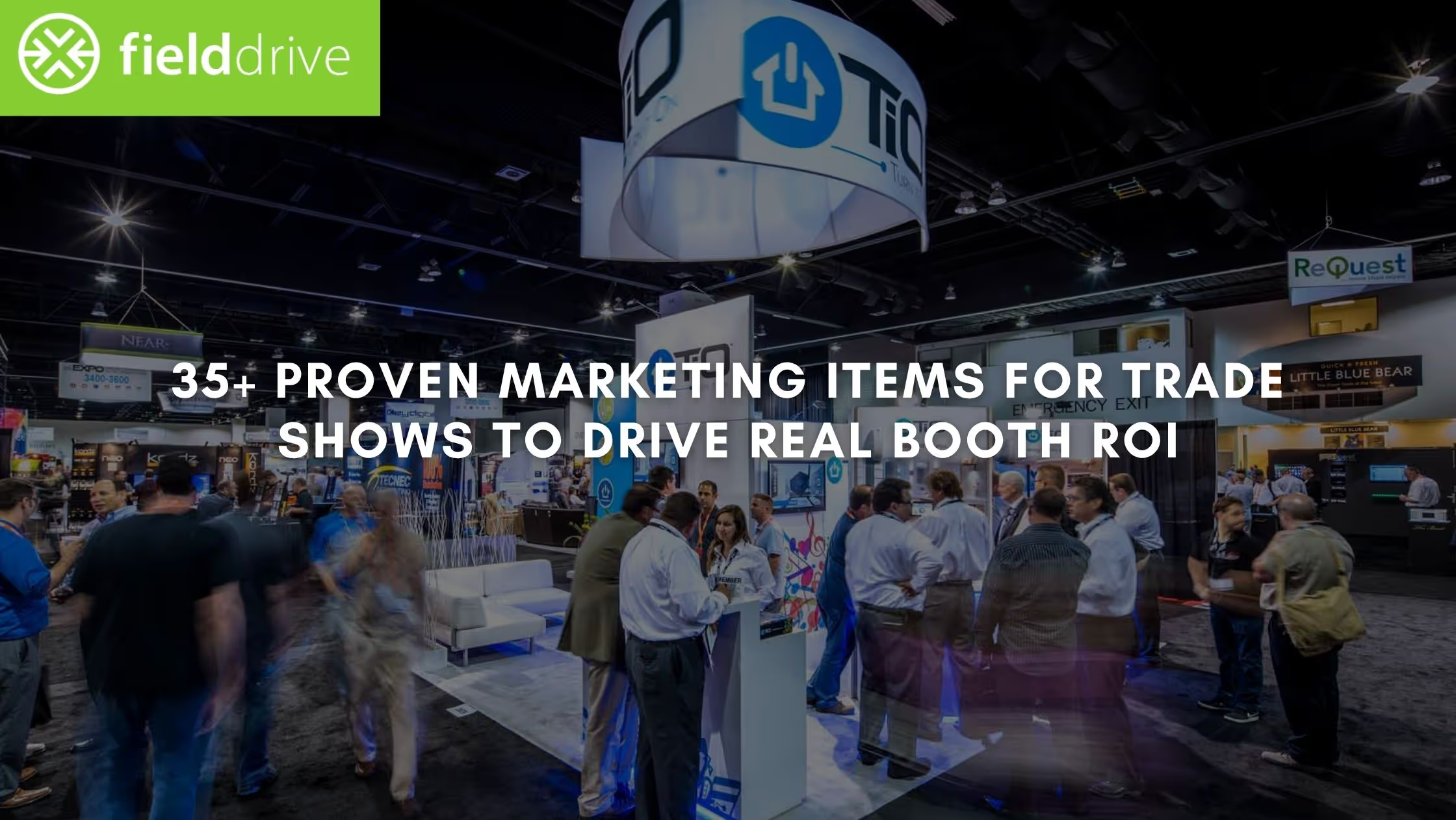
At a trade show, it's easy to spend money on promo materials and still walk away wondering whether any of them actually helped. As an event director, you're not just picking items that look good on a table. You are trying to attract the right visitors, keep your booth busy without overwhelming your team, and make sure every touchpoint feels professional and on-brand. That's what makes choosing the most popular marketing items for trade shows more complicated than it sounds.
The best items support your booth goals, fit the audience in front of you, and make it easier to start and continue conversations post-event. A poor choice can drain the budget, create clutter, or pull in traffic that goes nowhere. On the flipside, a better choice can help your team look prepared, guide stronger interactions, and leave a more lasting impression.
In this article, you’ll find a practical breakdown of the marketing items that are most popular at trade shows. You'll also learn how to choose the right mix for your event goals.
Quick Snapshot
The best marketing items for trade shows are the ones that fit your booth goal, audience, and event-day workflow, not just the ones that get picked up fastest.
- Business cards, postcards, and brochures work best when your team needs fast networking and a clear follow-up path.
- Retractable banners, hanging banners, themed decor, and branded apparel shape first impressions early, helping attendees find your booth faster and making your setup feel more credible before conversations start.
- Tote bags, reusable water bottles, pens, and stickers often outperform novelty items because attendees actually use them, which gives your brand more repeat exposure after the show floor clears.
- Power banks, USB drives, phone grips, and Bluetooth speakers feel more valuable when they address a real need, making them stronger choices for B2B audiences and higher-intent booth conversations.
- Candy and puzzles can help drive booth traffic, while premium drinkware and luxury notebooks should be saved for demos, meetings, or qualified leads so your giveaway budget supports better outcomes.
- QR codes, short URLs, and post-event tracking help you compare which materials, from brochures to water bottles, drove awareness, engagement, and pipeline, rather than judging success by handout volume alone.
Why Trade Show Promo Materials Matter
Trade shows are a high-value chance to build brand awareness and create demand. However, that opportunity depends on how well your booth turns attention into interaction. For event directors like you, trade show promo materials are not just extras on the table. They help start conversations, support product launches and demos, and give attendees a useful reminder of your brand after the event.
When chosen well, marketing materials can do real work for your event goals. They can:
- Drive booth traffic by giving attendees a reason to stop
- Support lead generation by creating a natural opening for conversation and contact capture
- Strengthen brand recall by tying your company to a useful, positive interaction
Their value also lasts beyond the event floor. A practical item, such as a reusable water bottle or phone charger, can stay with an attendee long after the show. That way, it can keep your brand visible in a way that a standard handout often does not.
Example: Say your team is launching a new product. A branded promo item can help bring the right people to the booth and create a smoother handoff into a live demo.
Marketing Items For Trade Shows That Matter Most for Visibility, Engagement, and Follow-Up
Not every trade show promo material earns its place at your booth. The real goal is to choose materials that help your team get noticed, start the right conversations, and leave attendees with a clear reason to remember your brand.
The strongest mix usually includes more than one type of material. You need some assets that attract people from a distance and others that support quick networking.
Quick View: Which Categories Matter Most?
Contact and Follow-up Materials
These materials help your team move quickly from a booth conversation to a real next step. They are especially important when foot traffic is high, and staff have only a short window to make an impression.
1. Business Cards
- Still one of the easiest tools for fast, face-to-face networking.
- Works well when someone wants a quick takeaway without carrying a full brochure.
- Should include the essentials clearly: name, role, phone number, email, and company logo.
- Need to be instantly recognizable, so the brand identity should be visible at a glance.
- Can be made more useful with a QR code that links to a website, LinkedIn profile, booking page, or digital contact form.
2. Digital Business Cards
- Make sharing easier when attendees prefer to connect by phone rather than collect paper.
- Reduce the risk of outdated details by updating information centrally.
- Support a cleaner, more modern handoff in mobile-first environments.
- It can help with consistency when multiple team members need the same branded format.
3. Postcards
- Useful when you want to hand out one clear message without overwhelming people.
- Best for short product highlights, limited-time offers, launch messages, or a simple CTA.
- Easier to scan than a brochure and easier to carry than a larger printed sheet.
- Can also support post-event outreach through short, personalized follow-up messages.
4. Brochures
- Better suited for attendees who want more depth than a card or postcard can provide.
- Useful for presenting product introductions, key selling points, brand background, and solution overviews.
- Should feel polished and easy to skim, not overloaded with dense text.
- Help visitors understand what sets your company apart when the booth conversation is brief.
5. Media Kits
- Most relevant when your event strategy includes press, creators, or industry influencers.
- Can include press-ready brand information, product details, key visuals, and testimonials.
- Work especially well in digital format so they can be shared quickly and accessed later.
- Help your team stay organized when someone wants information beyond a general sales conversation.
Booth Branding Materials
These marketing materials help attendees notice your booth, quickly understand your message, and recognize your team from a distance. They shape how professional and organized your presence feels before anyone starts a conversation.
6. Banner Displays
- Serve as the visual anchor of the booth and help people quickly locate your space.
- Should communicate your brand and message clearly from a distance.
- Need strong graphics, readable text, and consistent colors to make an impact in a crowded hall.
6.1 Retractable banners
- A practical option for teams that need easy transport and fast setup.
- Works well for smaller booths or events where portability is a priority.
- Help create a structure without requiring a large footprint.
6.2 Vinyl banners
- Useful when durability matters, especially across repeated events.
- They work in different settings and are often more resilient in busy environments.
- It can be a good long-term option when your team wants reusable assets.
6.3 Hanging banners
- Add visibility above the booth and help attendees spot your brand from multiple aisles.
- Especially helpful in larger halls where eye-level signage is not enough.
- Strong choice when your booth competes in a dense event layout.
7. Themed Decor
- Helps the booth feel intentional rather than assembled from disconnected materials.
- Supports brand storytelling through color, layout, furniture, and supporting visuals.
- It can make your presence more memorable when all elements reinforce the same message.
8. Staff Uniforms or Branded Apparel
- Make team members easier to identify and approach.
- Create a more consistent and credible appearance across the booth.
- Support a stronger sense of organization, especially in busy traffic periods.
9. High-Quality Signage
- Includes more than banners alone; floor decals and supporting signs can also guide attention.
- Should reinforce key messages quickly without forcing visitors to stop and read too much.
- Works best when visuals and wording are simplified for fast comprehension.
Key insight: These materials are not just decorative. They help people decide whether your booth looks credible enough to approach.
Also Read: 21 Smart Trade Show Booth Ideas for Small Budgets That Work in 2026
Eco-Friendly and Carry-Friendly Materials
These items work well because they are useful right away and often continue to be used afterward. They are especially effective when you want a sustainable message linked with your brand to last beyond the show floor.
10. Tote Bags
- One of the most practical promo materials because attendees need something to carry event materials.
- Can hold brochures, catalogs, postcards, or other handouts from your booth.
- Turn into a walking brand asset as attendees carry them around the venue.
- Work especially well when made from recycled or organic materials with a simple branded design.
11. Reusable Water Bottles
- Combine practicality with a more premium feel, even at accessible price points.
- Useful throughout the event day, especially in high-traffic settings.
- Offer recurring brand exposure after the event if attendees continue to use them.
- Can feel more thoughtful than a lower-value handout.
12. Recycled-Paper Notebooks
- A strong option if you want sustainability to show up clearly in your materials.
- Offer practical value for note-taking during sessions or meetings.
- Reinforce environmental responsibility without feeling overly promotional.
Pro tip: Keep the design bold but simple. These items work best when branding is clear enough to be noticed without making the material feel disposable.
Desk and Everyday-Use Materials
This category includes the steady, practical items that often keep your brand visible long after the event. They are useful for broad distribution and usually offer strong value for cost.
13. Pens
- Reliable, low-cost items that attendees still use regularly.
- Useful because they fit naturally into event-day behavior, from writing notes to exchanging contact details.
- Can be handed out broadly at the booth or upgraded into engraved versions for stronger prospects.
- Work well because they are familiar and easy to carry.
14. Stickers
- Small, affordable, and easy to distribute in high volume.
- Flexible enough to be used on notebooks, packaging, laptops, or personal items.
- Keep your brand visible in casual, repeated ways.
- Can feel more valuable when offered as multi-design sheets instead of single stickers.
15. Mugs
- A familiar desk item that can keep your brand visible at work over time.
- Easy to customize with a logo, tagline, or brand colors.
- Better suited for audiences likely to take items back to an office setting.
- Need some thought around transport, since they are less travel-friendly than lighter items.
16. Sticky Notes
- Practical for office or desk use and easy to distribute.
- Offer repeated visibility because they are used in everyday tasks.
- A good fit when you want a straightforward, functional item.
17. Mouse Pads
- Stay on desks longer than many small giveaways.
- Keep your brand in regular view in home and office workspaces.
- Useful when your target audience spends most of their time at a desk.
18. Calendars
- A longer-term visibility item that keeps your branding present for months.
- Offer repeated daily exposure rather than a one-time impression.
- It can work well when the design is useful, attractive, and relevant to the audience.
Why these matter: These items often outperform flashier options because they become part of someone’s routine.
Tech Accessories
Tech accessories tend to feel more valuable because they solve immediate problems and fit naturally into business travel, conference attendance, and desk-based work. That usually gives them stronger staying power than novelty-based materials.
19. Power Banks
- One of the most practical trade show materials because phone batteries drain quickly during events.
- Deliver immediate value on the same day they are handed out.
- Can be tiered by audience, with smaller units for general traffic and stronger versions for VIPs or demos.
- Works especially well for B2B audiences who rely heavily on their devices during the event.
20. USB Drives
- A clean fit for technology-oriented or information-heavy brands.
- It can reflect a more polished, useful brand impression when designed well.
21. Phone Grips
- Small but highly visible because they attach directly to devices people use constantly.
- Offer daily utility and help keep your brand present unobtrusively.
- Good for broad distribution when you want something modern and useful.
22. Webcam Covers
- Relevant for desk workers and remote or hybrid professionals.
- Signal practical value and a small touch of privacy awareness.
- Easy to carry and easy to distribute at scale.
23. Charging Cable Keychains
- Combine convenience with portability.
- Feel more functional than a standard keychain because they solve a real problem.
- Useful for audiences that travel frequently or spend long days moving between sessions.
24. Bluetooth Speakers
- High perceived value and strong appeal for raffles or selective gifting.
- Better suited to qualified leads, priority accounts, or prospects who engage more deeply.
- Can create stronger excitement than lower-tier materials when used strategically.
Pro tip: Keep a few higher-value tech items back for qualified prospects, rather than treating them as general handouts.
Example: If your booth is focused on senior decision-makers, a power bank or device accessory can create a stronger brand impression than a low-cost promo item, especially when paired with a demo or follow-up conversation.
Event-Day Utility and Wellness Materials
These materials often make a stronger impression than expected because they solve small frustrations attendees are already feeling. And when promo materials help someone during the event itself, your brand becomes associated with usefulness rather than interruption.
25. Hand Sanitizer
- Now seen as a practical, responsible item rather than an optional extra (post the COVID pandemic)
- Shows consideration for attendee comfort and hygiene.
- Useful across many event types because it is immediately relevant.
26. Lip Balm
- A simple item that becomes especially useful during long days indoors or in dry seasonal conditions.
- Easy to place on the booth table for quick pickup or hand out during conversations.
- Works well because it is small, branded, practical, and easy to keep using afterward.
27. Printed Schedule Cards
- Useful for helping attendees move quickly through the event.
- Support immediate event-day utility rather than delayed brand recall alone.
- Work best when the event structure is complex, and people need a quick-reference tool.
28. Custom Badge Holders/Lanyards
- A strong event-specific item because attendees can use them on the spot.
- Keep your branding visible throughout the event.
- Work well when your audience is moving between sessions, meetings, and networking areas.
- It can also support a more coordinated booth presentation if staff use branded versions.
Wearables and Travel-Friendly Materials
These are strong visibility tools because attendees wear them or carry them well beyond the booth, giving your brand a wider presence around the event.
29. Caps
- A practical apparel option that attendees may continue wearing after the event.
- It works best when the design is simple, well-branded, and something people would actually choose to wear.
- Can extend brand visibility well beyond the venue.
30. Luggage Tags
- Particularly relevant for trade shows with traveling attendees.
- Tie your branding to a real use case rather than a novelty one.
- It can feel more premium when made from durable materials with a quality finish.
31. Sunglasses
- A good fit for outdoor events, seasonal trade shows, or social photo moments.
- Can increase visibility if attendees wear them around the venue or share photos online.
Pro tip: Choose wearables carefully. If the item does not look good enough to wear or carry, it will not do the visibility job you want.
Traffic-Building and Premium Materials
This category should not be handled as one-size-fits-all. Some materials are useful for creating buzz and broad booth traffic, while others are better reserved for stronger prospects.
32. Candy and Chocolates
- Easy to use as a simple draw at the front of the booth.
- Help create a low-friction reason for someone to stop.
- It can be branded through wrapping and tied loosely to campaign themes or flavors.
- Works well when paired with a next step, such as a QR scan or signing up for something larger.
33. Puzzles
- More distinctive than a standard low-cost handout.
- Feel playful and creative, which can make them more memorable.
- Good for desks or downtime, which extends use beyond the event itself.
34. Premium Drinkware
- A more polished alternative to low-cost swag.
- Offers utility and a stronger sense of value.
- It can help reinforce a more premium brand position when your audience expects quality.
35. Luxury Notebooks
- A professional, refined option for stronger B2B conversations.
- Better aligned with executive audiences than novelty items.
- Useful when you want the item to feel thoughtful rather than flashy.
Experience-Led Materials
Not every strong trade show material is meant to be carried away. Some are designed to create interaction in the moment and help your team turn attention into engagement.
36. Interactive Digital Displays
- Good for drawing attention and encouraging self-guided exploration.
- Help visitors engage with your content before speaking to a staff member.
- Useful when you want to showcase products, services, or a portfolio more dynamically.
37. Product Samples or Live Demonstrations
- Valuable when your offer benefits from being seen or experienced firsthand.
- Help attendees understand product value more quickly than static materials alone.
- Support trust by letting people interact with what you are offering rather than just hearing about it.
Why these matter: These materials give structure to the booth experience. They help your team move from passive traffic to a more purposeful conversation.
Example: If your team is launching a new solution, an interactive display or live demo can do more than attract people to the booth. It can help staff qualify interest, guide the conversation more efficiently, and decide when to introduce a stronger follow-up material or premium item.
How to Choose Trade Show Promo Materials That Support Your Booth Goals
Choosing promo materials should start with one question: who are you trying to reach, and what will they actually value? An item that feels useful to a tech audience may not land the same way at a health care event. That makes selection more about making sure each item fits the audience, the brand, and the outcome you want from the booth.
It also helps to be clear about the job the item needs to do. When that goal is unclear, teams tend to overspend on materials that look appealing but contribute little once the event starts.
A simple way to pressure-test your options is to run each item through a few practical checks:
- Audience fit: Choose items your target audience will genuinely use and appreciate, not just collect.
- Brand fit: The material should reflect how you want your brand to be remembered. If your brand is practical, choose one useful item over a mix of random pieces. If your brand is more playful, the design can carry more personality.
- Message clarity: Keep the branding focused. A logo, short slogan, QR code, or short URL should point to one clear next step rather than trying to say too much.
- Booth-goal fit: Match the item to the outcome. Fast-distribution materials work better for broad awareness, while more selective items make more sense when your goal is demos, meetings, or qualified conversations.
- Budget control: Use a tiered approach. Reserve premium items for stronger prospects and keep lower-cost materials for general booth traffic.
- Cost-per-impression: A smaller item that gets used repeatedly often creates more value than a larger novelty piece that gets ignored after the event.
Operational fit matters just as much as marketing fit. Before placing an order, check the on-site realities. These include shipping, storage, table space, daytime replenishment, ease of staff handling, breakage risk, and how easy the item is for attendees to carry home.
Also Read: Digital Marketing Strategies for Trade Shows That Drive ROI in 2026
How to Measure the Impact of Your Trade Show Promo Materials Strategy
Once you have chosen your trade show promo materials and assigned a budget by priority, the next step is to define what success looks like. The real question is whether those materials helped increase visibility, drive meaningful engagement, and contribute to stronger post-event outcomes.
A useful way to evaluate performance is to look at impact across four areas:
- Awareness: Track signals that show your materials' extended brand reach, such as QR scans, visits from UTM-tagged links, social mentions, and photo booth shares.
- Longevity: Check whether the item stayed useful after the event by surveying product use at 30 and 90 days and reviewing reuse photos shared in community channels.
- Engagement: Measure actions that show people moved beyond casual interest, including demo completions, newsletter sign-ups, and session attendance linked to redemption codes.
- Pipeline: Look at outcomes tied more directly to revenue potential, such as meetings booked, opportunities created, and cost per qualified lead.
Example: If your team hands out two different promo materials at the same event, each one can point to a separate QR code or short URL. After the show, you can compare which item drove more scans, more demo activity, or more booked meetings. That gives you a clearer view of what actually worked, instead of relying on booth traffic alone.
Also Read: Best Trade Show Lead Capture Apps for 2026
Final Thoughts
The best marketing items for trade shows are the ones that help your booth do its job. For you, that means choosing promo materials that fit your audience, support the right conversations, and work well on event day. When those pieces line up, your materials do more than show your logo. They help your booth feel organized, intentional, and worth following up on.
That is why the real decision is not about picking what is trendy. It is more about choosing the right mix for your goals, your team, and your attendee journey. If you are planning an upcoming trade show and want your promo materials to support better booth engagement and a more polished on-site experience, fielddrive can help you plan that more clearly. Consider speaking with our team to discuss your requirements.
FAQs
1. Should every promo item require a badge scan or form fill?
No. Use open-access items to drive booth traffic and gated items to capture leads. Forcing every handout behind a form slows booth staff workflow and reduces casual engagement; reserve qualification for higher-value branded giveaways or demo-linked items.
2. How many promo materials should we order if attendance forecasts feel unreliable?
For large shows, planners often stock enough for roughly a quarter of attendees; for smaller shows, closer to three-quarters. A safer model is to forecast expected booth traffic first, then add a modest buffer and keep premium items separate.
3. Is it better to put a big logo on everything?
Usually no. People keep items they would use without your logo, so subtle branding often performs better than oversized marks. Put the message where it does not reduce usability, and use QR codes or inserts for the call to action.
4. What is the best way to prevent promo materials from disrupting booth staff workflow?
Keep distribution rules simple and visible. Staff should know which items are open table pickups, which require a conversation, and where backups are stored. If the handoff needs too many steps, the booth staff workflow will slow, and engagement will drop.
5. What should we measure if our real goal is qualified booth traffic, not just volume?
Look past the total handouts. Track scans by item, demo completions, meeting conversions, and opportunities created from each giveaway path. That shows whether a material improved lead capture quality, not just booth traffic at the table edge.
.svg)
.svg)
.svg)
Want to learn how fielddrive can help you elevate your events?
Book a call with our experts today


.svg)