

.svg)
.webp)
Interactive Event Badges: Enhance Engagement and Check-Ins
Discover how Interactive Event Badges streamline check-ins, drive engagement, and provide real-time insights to enhance attendee experiences at events.
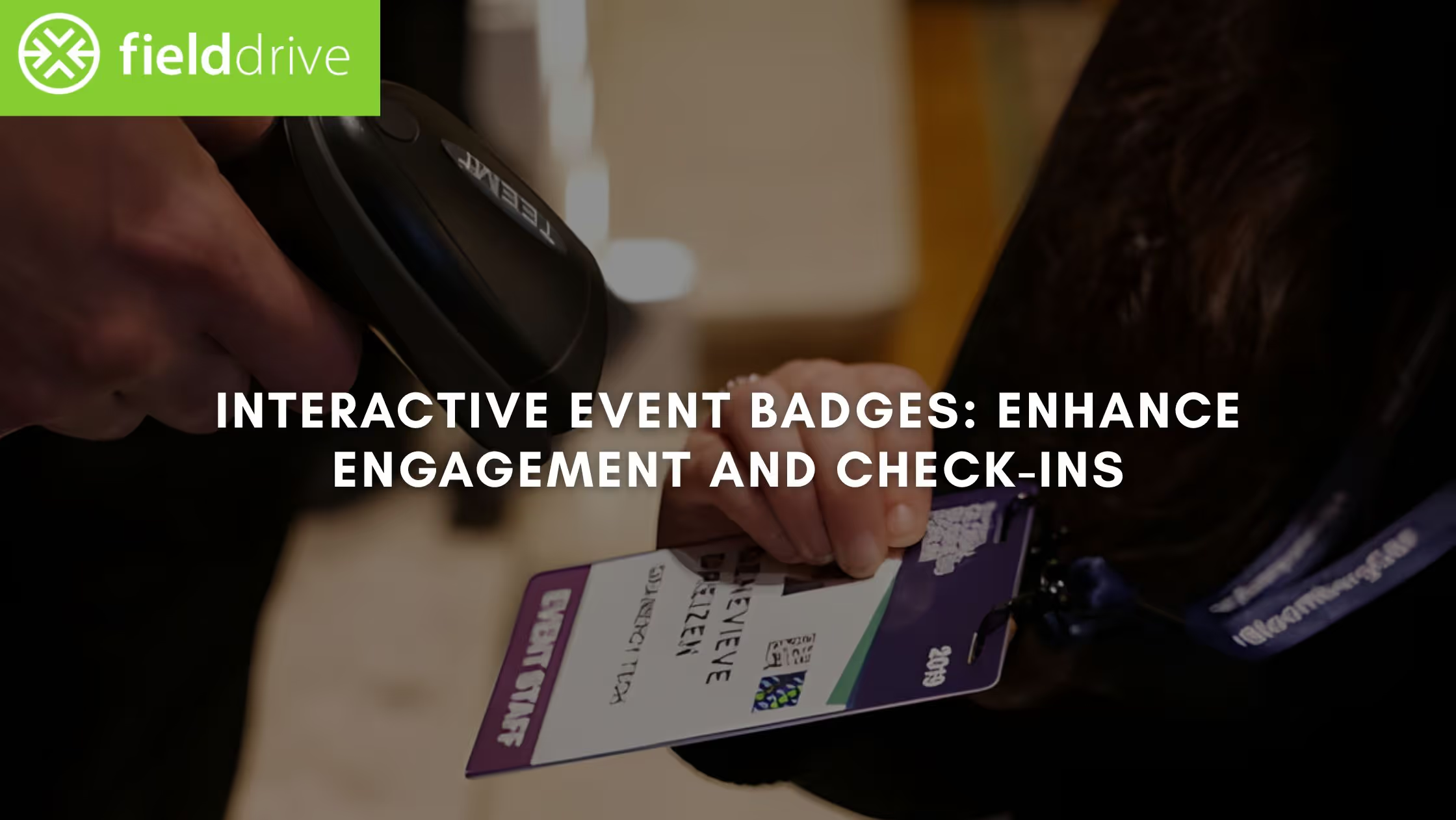
Did you know that 66% of event visitors say touchless check-in improves their experience? Long lines and slow manual check-ins can frustrate attendees before the event even begins, putting pressure on organizers to deliver a seamless entry process.
Even after entry, keeping attendees engaged is another challenge. Once attendees enter the venue, engagement becomes the next hurdle. Reports show that 49% of marketers consider audience engagement the most crucial factor in event success. Yet, many teams lack the tools to track movement, personalize interactions, or understand real-time attendee behavior.
In this blog, you’ll learn how interactive event badges improve check-ins, give real-time attendee visibility, and strengthen engagement for teams running fast-moving events.
Key Takeaways
- Faster Check-Ins: Interactive badges streamline check-ins, minimize waiting times, and improve attendee convenience from the moment they arrive.
- Real-Time Insights: Organizers can track session attendance, monitor crowd movement, and make informed decisions with instant analytics.
- Networking & Gamification: Badges facilitate meaningful connections and gamified interactions, encouraging attendees to engage more actively.
- Personalization: On-site printing and digital displays allow badges to be customized in real time and updated with relevant information.
- Secure Data Collection: Smart badges ensure attendee data is collected safely while providing insights for post-event analysis and follow-ups.
What are Interactive Event Badges?
Interactive event badges, also known as smart badges, are technologically advanced credentials that go far beyond traditional printed nametags. Unlike static badges, these devices enable real-time interaction, personalized attendee experiences, and streamlined event operations.
By embedding digital technologies, smart badges transform the way organizers manage check-ins, crowd movement, and attendee engagement. Now let’s examine the five key technologies that power these smart badges.
5 Key Technologies Behind Interactive Event Badges
Interactive event badges combine multiple technologies to create smarter, more efficient event experiences. Each component addresses specific event management challenges, from reducing check-in friction to improving real-time attendee engagement. Below are the five core technologies that make these badges effective:
1. Radio Frequency Identification or Near Field Communication Chips
RFID (Radio Frequency Identification) and NFC (Near Field Communication) chips allow instant, contactless check-ins, significantly reducing queues and easing the workload on event staff. They can also track attendee movement throughout the venue, providing organizers with real-time insights into foot traffic and session popularity.
2. QR Codes
QR codes enable quick scanning for session entry, networking, or accessing event resources. They simplify lead capture and make it easy for organizers to collect accurate data for post-event analysis and engagement tracking.
3. Digital or E-ink Displays
Badges with digital or e-ink displays can show personalized content, including session schedules, speaker details, and networking suggestions. You can update information dynamically during the event, keeping attendees informed and engaged.
4. Access Control Functionality
Smart badges can automatically grant entry to VIP areas, restricted sessions, or workshops. This reduces the need for manual verification, minimizes security risks, and ensures that only authorized attendees access sensitive zones.
5. Live Attendee Tracking and Analytics
Interactive badges provide real-time insights into crowd patterns, helping organizers manage congestion and optimize event layouts. Post-event, this data can guide improvements for future events and help measure attendee engagement more accurately.
By integrating these technologies, organizers gain actionable insights, enhance security, and offer personalized experiences that keep attendees engaged. Let’s explore how these smart badges deliver tangible value, from faster check-ins to real-time engagement insights.
Also Read: How to Choose The Best Event Registration Software Systems For Your Events
Key Benefits of Interactive Event Badges for Event Organizers
Interactive event badges do more than identify attendees; they actively streamline operations, enhance security, and provide actionable insights. By integrating smart technology, organizers can reduce friction, monitor engagement, and make real-time data-driven decisions.
Below are the main ways these badges address common challenges while delivering practical advantages:
Faster Check-Ins & Access Management
Interactive badges enable fast, automated, contactless check-ins using RFID, NFC, or QR codes, reducing long queues and easing staff workload. They also support tiered access, allowing VIPs, speakers, or restricted participants to move seamlessly across zones, minimizing security risks.
Actionable Real-Time Analytics
Smart badges track attendee movement, session attendance, and dwell times, providing heatmaps and behavioral insights. You can use this data to make real-time adjustments, optimize layouts, and plan future events more efficiently.
Enhanced Networking & Personalized Experiences
Badges can display attendee profiles, interests, or agendas, helping participants connect meaningfully. Gamification features, such as points for visiting sponsor booths or completing challenges, and instant delivery of session materials or follow-up links, create a personalized and engaging experience.
Real-Time Notifications & Alerts
You can push updates, reminders, or emergency alerts directly to badges, ensuring attendees receive timely information without relying on separate communication channels.
Branding & Sustainability
Customizable badge designs reinforce the event identity, while reusable or partially reusable badges reduce paper waste compared to traditional single-use credentials.
By combining these advantages, interactive event badges address operational challenges while enhancing attendee satisfaction, engagement, and the overall success of your events.

With these benefits in mind, the next question is: how do you select the right interactive badge for your event? Let’s break that down.
Key Considerations for Choosing the Right Interactive Badge
Selecting the right interactive badge impacts attendee experience, event management efficiency, and overall event ROI. The ideal badge aligns with your event’s scale, engagement goals, and logistical needs.
Below are key factors to guide your decision:
1. Technology Compatibility
Choosing the right technology ensures smooth check-ins, accurate tracking, and enhanced engagement for your event operations. Consider these factors:
- Event Scale: Select a system that can handle the expected number of attendees without causing delays or technical issues.
- Security Requirements: Evaluate whether you need controlled access to VIP areas, workshops, or restricted zones.
- Integration Needs: Ensure the badge system works with your existing event management software, apps, or CRM tools.
2. Badge Printing & Logistics
Efficient badge printing keeps registration smooth, reduces staff strain, and enhances the first impression for attendees. Consider these factors when deciding between printing methods:
- On-site Printing: Ideal for events with last-minute registrations, schedule changes, or personalized attendee content. Offers flexibility while minimizing manual errors and delays at check-in.
- Pre-printed Badges: Best for controlled events with fixed attendee lists. Ensures a polished, professional look for VIPs, speakers, and sponsors.
- Customization Opportunities: Evaluate whether your printing method supports on-demand updates, branding, or integration with sponsor messaging.
3. Engagement Strategy
Badges can drive meaningful interaction and gamified experiences across your event. Consider these strategies:
- Session Check-ins: Track attendance, monitor dwell times, and identify popular sessions to optimize layouts and plan future events effectively.
- Networking Opportunities: Use badges to encourage meaningful connections, exchange digital business cards, and reward interactions that build professional relationships.
- Sponsor & Activity Engagement: Gamify participation by awarding points for visiting sponsor booths, completing challenges, or engaging in event activities.
4. Data Collection & Privacy
Collecting and managing attendee data responsibly is critical for trust, compliance, and actionable insights. Keep these considerations in mind:
- Regulatory Compliance: Ensure your badge system adheres to privacy regulations such as GDPR or CCPA.
- Secure Data Handling: Use encryption or anonymization to collect and store attendee information safely.
- Actionable Insights: Structure data collection to provide meaningful metrics for session attendance, crowd flow, and engagement trends.
5. Event Management & Support
Your interactive badge solution should align with your team’s capacity to ensure smooth execution:
- Staff Capability: Evaluate if your team can manage tap points, QR/NFC readers, and real-time analytics dashboards effectively.
- Vendor Assistance: If internal resources are limited, partner with a provider that offers setup, training, and ongoing technical support.
- Troubleshooting & Monitoring: Ensure the system allows quick issue resolution and real-time monitoring to prevent disruptions.
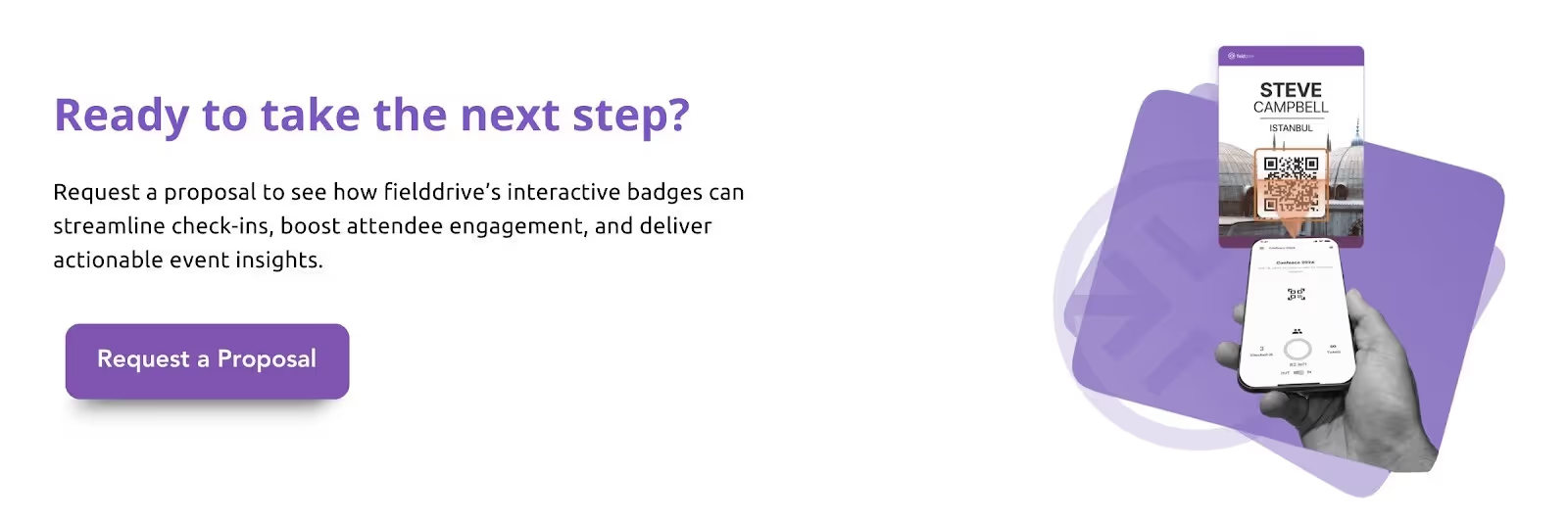
Once you choose and implement your badge solution, the next challenge is maximizing its impact through smart use cases and best practices.
5 Creative Ways to Gamify Your Event with Interactive Badges
Interactive badges can be a powerful solution to encourage attendee behaviors that directly impact event success. Gamification guides participant actions in measurable ways, helping increase networking, drive session attendance, and enhance sponsor interactions.
Below are five practical ways to implement gamification at your event:
- Drive Meaningful Networking: Use interactive badges to reward attendees for connecting with others. Points can be awarded for meeting a set number of people and for encouraging valuable interactions across the event floor.
- Increase Engagement with Exhibitors: Drive value for exhibitors by awarding points when attendees interact with sponsor booths or event touchpoints. Higher points can be assigned for key sponsors to ensure attendees actively engage with the content and partners that matter most.
- Encourage Session Attendance: Motivate attendees to visit and remain in sessions by awarding points for session check-ins. Badges can also track time spent in workshops or expo halls, giving organizers insights into which sessions or spaces draw the most engagement.
- Promote Exploration Through Treasure Hunts: Create interactive challenges that require attendees to check in at specific locations or meet designated participants. This ensures attendees explore the entire venue, increasing exposure to sponsors, exhibitors, and featured sessions while maintaining high engagement.
- Recognize Achievement with Badges: Reward attendees who reach certain engagement milestones, such as attending multiple sessions or networking with a specific number of participants. Achievement badges can also create sponsorship opportunities, offering partners added visibility while incentivizing participation.
Also Read: Sustainable Event Badges: Eco-Friendly Materials to Reduce Waste
Now that we’ve explored gamification strategies, let’s look at best practices for implementing interactive badges effectively at your events.
Best Practices for Implementing Interactive Badges
Interactive badges can transform how events run, from check-ins to engagement tracking. However, to maximize their impact, organizers need a structured approach. The following best practices help ensure smooth deployment, enhanced attendee experiences, and actionable insights.
- Pilot Before Scaling: Start with a small group, such as VIP attendees or a single session track, to test badge interactions, tap-points, and data collection.
- Train Your Team: Ensure on-site staff are confident in managing badge encoding, tap readers, and resolving common technical issues.
- Communicate Clearly to Attendees: Provide pre-event instructions on how to use badges, including scanning, tapping, and gamified interactions, to set expectations.
- Monitor and Adjust in Real Time: Use analytics dashboards to track badge interactions in real time, enabling quick adjustments to touchpoint placement or engagement features.
- Post-Event Analysis: Review engagement, dwell time, and popular touchpoints, and collect attendee feedback to refine strategies for future events.
Also Read: How to Create Sustainable Name Badges: Strategies + Do’s & Don’ts
Following these steps ensures that interactive badges deliver maximum value. Next, let’s explore how fielddrive’s platform simplifies implementation and improves event experiences.
fielddrive: Onsite Badge Printing & Smart Check-In Solutions
Seamless check-ins and personalized attendee experiences are essential for successful events. fielddrive’s combines instant onsite badge printing with smart, contactless technologies to reduce queues, enhance security, and streamline event operations from the moment attendees arrive.
Key Features:
- Facial Recognition Check-In: Speed up attendee entry with facial recognition or QR scanning for a smooth, contactless experience.
- Real-Time Analytics: Instantly see which sessions are most popular, helping adjust layouts, timing, and content delivery.
- Touchless Check-In Kiosks: Automated, hygienic kiosks enable high-traffic events to run safely and efficiently, allowing attendees to check in quickly and maintain a smooth flow from the moment they arrive.
- On-Demand Badge Printing: Personalized badges printed quickly on-site reduce pre-event preparation and make a professional impression.
- Lead Retrieval Tools: Exhibitors can capture attendee information in real time, enabling personalized follow-ups and improving ROI through faster, more thoughtful engagement.
Gain actionable insights for your events with fielddrive. Streamline check-ins, track attendee engagement in real time, and make data-driven decisions effortlessly. Request a free demo today!
Conclusion
Interactive event badges solve common event challenges by streamlining check-ins, improving attendee engagement, and delivering actionable insights in real time. They enable organizers to create smoother, more personalized experiences while collecting meaningful data to inform future events.
To make the most of these capabilities, visit fielddrive to explore their interactive badge solutions. fielddrive combines smart badge technology with secure data handling, real-time tracking, and easy-to-use analytics, giving event organizers complete control over operations and attendee experience.
Ready to transform your events? Request a demo today and see how interactive badges can simplify management, increase engagement, and provide measurable results for every attendee.
FAQs
1. How do interactive badges help with emergency management at events?
A. Interactive badges can instantly alert attendees or staff during emergencies. Organizers can track attendee locations in real time, direct people to safe zones, and verify attendance during evacuations, enhancing overall safety and response efficiency.
2. Can interactive badges integrate with mobile apps for a seamless experience?
A. Yes. Smart badges can sync with event apps to display personalized agendas, session reminders, or networking suggestions. Integration enables attendees to access resources via their badges, while organizers gain real-time insights from app interactions and badge activity.
3. How can interactive badges support hybrid events?
A. For hybrid events, badges can track in-person attendee engagement while linking with virtual platforms. Organizers can monitor session attendance, manage access controls, and deliver personalized notifications to both physical and virtual participants to ensure consistent experiences.
4. Do interactive badges provide value for post-event marketing?
A. Absolutely. Badge data, such as session attendance, booth visits, and networking interactions, can feed into post-event campaigns. Organizers can segment leads, personalize follow-ups, and measure sponsor ROI, making badges a valuable tool beyond the event day.
5. How customizable are the gamification features on interactive badges?
A. Gamification can be tailored to event goals, such as awarding points for session attendance, sponsor engagement, or networking milestones. Organizers can adjust rules, rewards, and leaderboards to align with participation targets and drive measurable engagement outcomes.
.svg)
.svg)
.svg)
Want to learn how fielddrive can help you elevate your events?
Book a call with our experts today


.svg)