

.svg)
.webp)
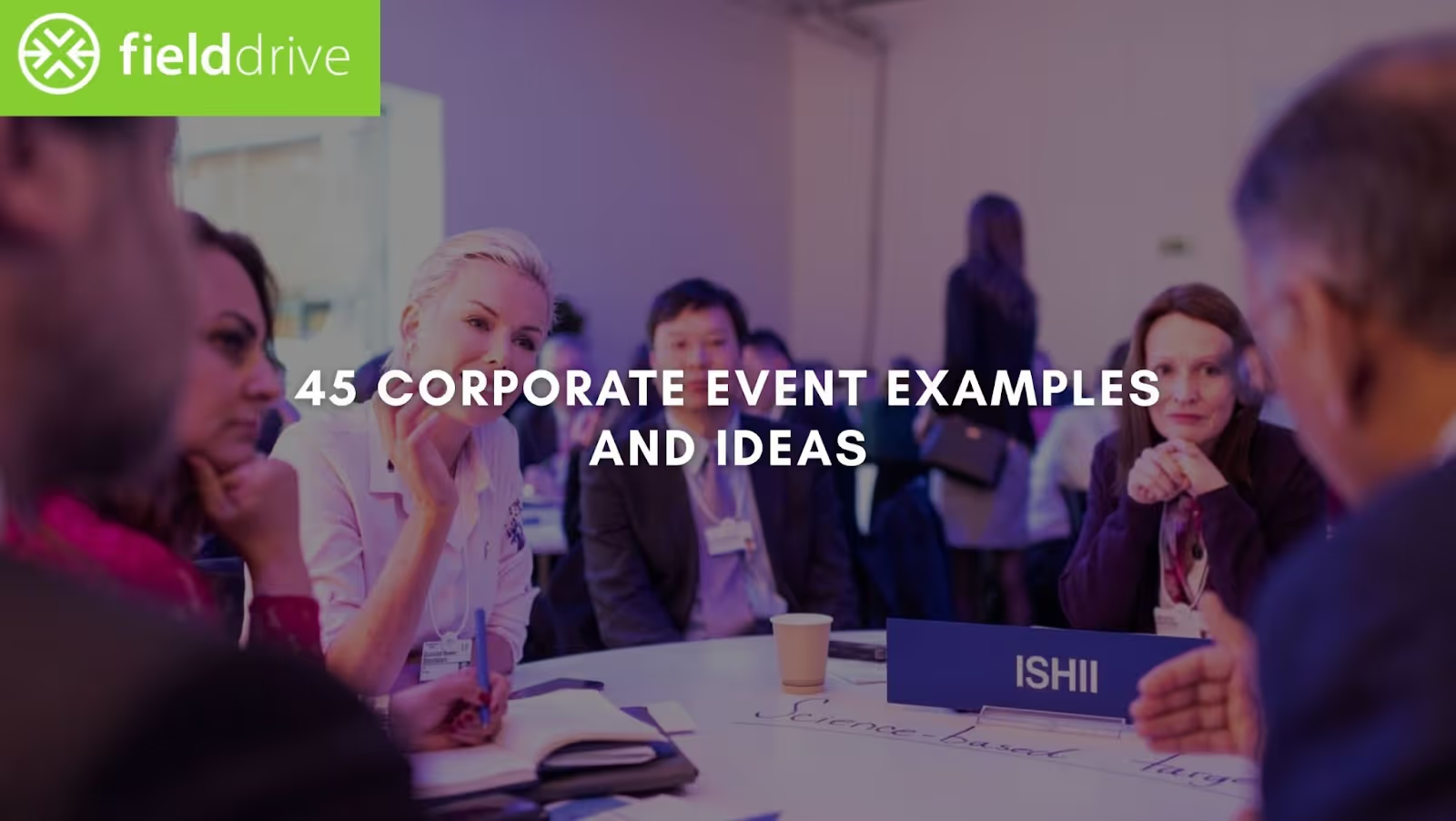
Planning corporate events can quickly feel repetitive. You are expected to come up with fresh ideas that engage attendees, encourage participation, and fit your event's format. When ideas and format don’t match, sessions turn passive, booths draw little interest, and networking feels forced.
That’s why examples matter. The right corporate event idea depends on what the event is trying to achieve, who is attending, and how people are expected to interact. A keynote session, a VIP dinner, a product demo zone, and a wellness activation all create very different experiences.
In this article, you’ll find 45 corporate event examples grouped by format, along with practical guidance on what each type is best for and how to choose the right one.
Key Takeaways:
- Corporate event examples work best when they are matched to the format and the goal of the event.
- Conferences, trade shows, conventions, networking events, wellness activities, and strategic sessions all create different types of engagement.
- Smaller, focused experiences often create deeper conversations, while larger formats are better for reach and visibility.
- The right corporate event idea depends on your audience, the level of interaction you want, and how much structure the event needs.
- Using a mix of educational, social, and experiential formats can make corporate events feel more memorable and purposeful.
Corporate Events Explained: Types, Goals, and Business Impact
Corporate events bring people together around a clear objective: sharing knowledge, building relationships, or strengthening company culture. They are not just agendas and sessions; they create spaces where conversations and interactions shape how people connect with your brand and each other.
They also offer something many teams lack: direct human connection. Stepping away from screens helps reduce digital fatigue and makes engagement feel more personal and memorable.
Events now take place in in-person, virtual, or hybrid formats. Technology supports participation, tracks engagement, and shows what works. The focus has shifted toward active involvement, measurable results, and experiences that influence behavior and perception.
To understand how different corporate events function, here is a breakdown based on category, purpose, and outcomes:
Once you understand the main event types, it becomes easier to explore specific examples that show how each format works in practice.
45 Best Corporate Event Examples by Format (2026 Guide)
Different corporate events serve different goals, from knowledge sharing to product discovery and community building. The format you choose shapes how attendees engage, what they experience, and the outcomes you can expect from the event.
To quickly understand how these formats differ, here is a high-level view:
Below are 45 corporate event examples grouped by event type, so you can quickly explore formats that fit your objectives and event environment.
Conference Event Examples
Conferences focus on learning, discussion, and knowledge sharing through a mix of session formats. Here are practical examples of conference events you can use to create more engaging experiences:
- Leadership Keynote Sessions: High-attendance talks that set direction and establish authority for the event
- Panel Discussions: Multi-speaker conversations that introduce varied perspectives and encourage audience questions
- Breakout Learning Tracks: Smaller sessions that allow attendees to choose relevant topics and increase session value
- Live Podcast Recordings: Conversational formats that make content more engaging and accessible
- Interactive Q&A Sessions: Open exchanges that increase participation and keep sessions responsive
- Expert AMAs: Direct access to specialists, allowing attendees to ask focused and practical questions
- Case Study Presentations: Outcome-driven sessions that help attendees connect ideas to business results
- Innovation Showcases: Concept-led presentations that highlight future ideas or early-stage developments rather than finished products
Trade Show Event Examples
Trade shows focus on product discovery and direct interaction, designed to attract attention and drive engagement. Here are practical trade show event examples to increase booth traffic and participation:
- Interactive Product Demo Zones: Hands-on setups that showcase available solutions and drive immediate interest
- Live Testing Stations: Demonstrations that show products in action, building trust and credibility
- VR or AR Experience Booths: Immersive setups that attract attention and create memorable interactions
- Gamified Booth Challenges: Activities that encourage repeat visits and active participation
- Spin-to-Win Engagement Kiosks: Quick interactions that combine incentives with lead capture
- Sponsored Experience Lounges: Branded spaces that support longer conversations and relationship building
- Live Competitions at Booths: Scheduled challenges that attract crowds and create shared moments
- AI Photobooth Experiences: Interactive setups that generate shareable content and increase booth traffic
- Technical Deep-Dives: Intensive, expert-led demonstrations or "under-the-hood" walkthroughs designed to move beyond the sales pitch and address the specific requirements of high-intent, technical buyers.
Convention Event Examples
Conventions bring larger groups together through a mix of content, networking, and entertainment. Here are practical convention event examples to help you create more engaging experiences:
- Multi-Stage Event Zones: Parallel sessions that cater to diverse interests and increase content variety
- Networking Lounges: Dedicated areas that support informal conversations and relationship building
- Entertainment Stages: Live performances that maintain energy between structured sessions
- Community Meetups: Smaller gatherings that connect attendees through shared interests
- Meet-and-Greet Sessions: Direct interaction with speakers or industry figures that increases perceived value
- Award Ceremonies: Formal recognition that builds social proof and creates high-value PR content
- Themed Experience Zones: Immersive environments that attract specific audience segments
- Cultural Showcases: Programming that adds variety and keeps the experience engaging
Hybrid & Virtual Event Examples
Hybrid and virtual events connect in-person and remote audiences through shared digital experiences. Here are practical hybrid and virtual event examples to keep attendees engaged across formats:
- Hybrid Keynote Broadcasts: Live sessions that connect in-person and remote audiences through shared interaction
- Asynchronous Content Hubs: On-demand content that extends the event lifecycle and supports global audiences
- AI-Driven Matchmaking Sessions: Smart networking that connects attendees based on shared interests or goals
- Always-On Community Platforms: Spaces where attendees continue discussions long after the event ends
- Live Polling and Feedback Sessions: Real-time input that keeps participation active across formats
- Digital Breakout Rooms: Smaller discussions that replicate in-person interaction for remote participants
Strategic Event Examples (Primarily Internal)
Strategic events focus on planning, decision-making, and leadership alignment. Here are common formats used in these settings:
- Executive Strategy Sessions: Focused discussions that define priorities and guide decisions
- Board Meetings: Structured reviews that shape company direction and governance
- Leadership Retreats: Offsite sessions that combine planning with deeper team connection
- Partner Strategy Workshops: Collaborative sessions that align goals across organizations
- Advisory Councils: Expert-led discussions that provide guidance on business direction
Wellness & Impact Event Examples (Primarily Internal)
Wellness and impact events support employee well-being and purpose-driven engagement. Here are common formats used in these settings:
- Guided Mindfulness Sessions: Short breaks that help attendees reset and maintain focus
- Wellness Zones: Dedicated spaces offering relaxation or health-focused activities
- CSR Hackathons: Team-based challenges focused on solving social or environmental problems
- Charity Fundraising Events: Activities that combine participation with community contribution
- Carbon-Conscious Activations: Event experiences designed to reduce environmental impact
Social & Networking Event Examples
These events focus on connection in less structured settings. The goal is to create space for meaningful conversations. Here are formats that support networking:
- VIP Networking Dinners: Curated gatherings that encourage high-value conversations
- Executive Roundtables: Small-group discussions with focused topics
- Industry Mixers: Open events that increase the number of connections
- Sponsor-Hosted Micro-Events: Smaller branded gatherings that attract targeted audiences
While examples show what is possible, the next step is understanding the factors that determine whether an event actually delivers results.
How to Choose the Right Corporate Event Idea
Choosing the right corporate event idea depends on a few practical factors. Instead of focusing only on creativity, the goal is to match the idea with your audience, objectives, and the kind of attendee experience you want to create.
Here are the key factors to consider:
- Event Goal: Start with what you want to achieve. For team bonding, interactive activities work best. For lead generation, formats like trade shows or networking events are more effective.
- Audience Type: Consider who will attend. Internal teams, clients, or industry professionals all respond differently to event formats and activities.
- Interaction Level: Decide how involved you want attendees to be. Some events work well with passive sessions, while others benefit from hands-on or collaborative activities.
- Budget and Scale: The size of your event and available budget will influence what is feasible. Smaller budgets may suit workshops or internal events, while larger budgets allow for conferences or large-scale experiences.
- Venue and Format Fit: The location and setup of your event matter. Indoor venues suit structured sessions, while outdoor or flexible spaces work better for interactive or social formats.
These core elements remain important, but event expectations continue to shift as new trends influence how events are planned and executed.
2026 Corporate Event Trends Every Planner Should Know
Corporate events are no longer judged by attendance alone. The focus has shifted toward participation, real-time visibility, and measurable business outcomes. With increasing budget scrutiny, event teams are expected to show clear impact on pipeline, retention, and brand value while delivering better attendee experiences.
Here are the key trends shaping corporate events in 2026:
- Experience-Led Design Backed by Frictionless Flow
Experiences are defined by how smoothly attendees move through them. Long queues or delayed entry reduce engagement before sessions even begin. Technologies such as facial recognition check-in, touchless check-in kiosks, and a reliable event badge printing solution are now central to reducing wait times and improving entry speed.
Why it matters: Faster check-ins and smoother movement improve participation, dwell time, and session attendance from the start.
- Phygital Continuity with a Single Source of Truth
Events are moving toward more unified physical and digital journeys supported by a central data layer. Interactions across channels connect to a single attendee profile, often supported through strong third-party integrations across event systems.
Why it matters: A shared data foundation helps teams track behavior across touchpoints and deliver more consistent experiences.
- AI-Powered Real-Time Intent Detection and Personalization
AI is being used to identify attendee interests and adjust experiences in real time, from session recommendations to smarter networking prompts.
Why it matters: Improves relevance and helps teams respond faster to attendee behavior, even as more advanced use cases continue to mature.
- Real-Time Evidence and Live Event Dashboards
Waiting for post-event reports is no longer enough. Teams rely on live dashboards powered by an analytics platform to track attendance, engagement, and movement as the event unfolds.
Why it matters: Real-time visibility allows teams to adjust staffing, sessions, and engagement strategies during the event itself.
- The Creator Economy at Events
Attendees are no longer just participants. They are active content creators who capture, share, and amplify event moments across social platforms. Events are being structured with shareable experiences, branded touchpoints, and content-friendly formats.
Why it matters: User-generated content extends event reach, builds brand credibility, and turns attendees into distribution channels.
- Always-On Engagement Models (Built Over Time)
Events are extending into ongoing engagement through content, follow-ups, and community platforms. Many organizations are still building the data and processes needed to sustain this consistently.
Why it matters: When done well, it increases retention and extends the value of each event beyond its duration.
- Smaller, High-Intent Experiences Within Larger Events
Large events are being layered with smaller, focused interactions such as executive roundtables or curated meetups.
Why it matters: Higher intent interactions often lead to better conversion and stronger relationships.
- Rising Sustainability Expectations with Measurable Visibility
Sustainability is becoming a more visible part of event planning, with growing pressure for transparency around waste, materials, and energy usage.
Why it matters: Supports brand credibility and aligns with stakeholder expectations without overstating compliance maturity across all events.
- Wellness Integrated for Better Cognitive Performance and ROI
Wellness is directly linked to how well attendees absorb content and stay engaged. Structured breaks and quiet zones support sustained focus.
Why it matters: Better attention leads to higher session retention and stronger overall event outcomes.
- The Shift Away from Traditional Badging
Paper badges are being replaced with smarter, more sustainable alternatives that connect physical presence with digital systems.
Why it matters: Improves speed, reduces waste, and enhances tracking across the event journey.
- Hyper-Personalized, Frictionless Check-In Experiences
Entry is becoming faster and more personalized, with systems that guide attendees immediately into the event journey. Tools like a lead retrieval app and a session scanning solution help capture interactions and session participation in real time.
Why it matters: A strong first interaction increases early engagement and improves data capture from the start.
- Privacy-First Data and Consent Management
As data collection increases, events are adopting stricter consent management and transparency practices.
Why it matters: Builds trust while allowing teams to collect meaningful engagement data responsibly.
- Trust and Authentic Human Connection
As digital content becomes easier to produce, in-person interaction is becoming more valuable. Events are used to build trust through direct conversations and shared experiences.
Why it matters: Stronger relationships lead to better long-term business outcomes and brand loyalty.
These trends point in one direction. Corporate events are becoming more accountable, more connected, and more focused on outcomes. As costs increase and expectations rise, success is defined by how well events drive engagement, generate measurable results, and support long-term business goals.
Understanding these trends is important, but applying them effectively depends on the tools and systems used during event execution.
How fielddrive Improves Event Execution Across Formats
Running a corporate event comes down to how well you manage entry, movement, engagement, and data across the attendee journey. Delays, missed interactions, or a lack of visibility can reduce participation and limit outcomes. fielddrive connects onsite operations with real-time data, helping teams make informed decisions while the event is still running.
Here’s how fielddrive supports execution across event formats:
- Fast Entry at Scale: Use facial recognition check-in and touchless check-in kiosks to reduce queues and manage high-volume arrivals smoothly
- Instant Badge Generation: An event badge printing solution enables quick, personalized badge printing for better identification and networking
- Accurate Session Tracking: A session scanning solution controls access and captures attendance data across sessions and zones
- Exhibitor Lead Capture: A lead retrieval app allows teams to collect and qualify leads in real time during interactions
- Live Event Visibility: An analytics platform provides real-time insights into attendance, engagement, and attendee movement
- Connected Event Systems: Third-party Integrations sync data across registration platforms, CRMs, and event tools for a unified view
When these elements work together, events run with fewer delays, clearer visibility, and stronger participation. This makes it easier to track performance, improve future events, and connect every interaction to business outcomes.
Conclusion
Corporate events are no longer just about gathering people in one place. They are structured experiences designed to drive participation, capture meaningful data, and deliver measurable business outcomes. From choosing the right format to managing onsite execution, every detail influences how attendees engage and what results the event produces.
When entry is fast, interactions are captured, and insights are visible in real time, events become easier to manage and more effective in delivering value.
If you are looking to improve how your next conference, trade show, or convention runs, book a demo to see how these systems work in practice.
FAQs
1. What are the most popular types of corporate events?
The most popular types of corporate events include conferences, trade shows, conventions, internal team events, and networking events. Conferences focus on learning and sessions, trade shows emphasize product interaction, and conventions bring communities together. Internal events such as town halls and off-sites support culture, while networking events help build relationships with clients, partners, or peers.
2. What is an example of a corporate event?
A corporate event example is a product launch event where a company introduces a new offering to clients, media, and partners. These events often include presentations, live demonstrations, and networking sessions. Another common example is an annual conference, where attendees join multiple sessions, keynotes, and discussions focused on industry trends or company updates.
3. What corporate event ideas work best for employee engagement?
The best corporate event ideas for employee engagement include team off-sites, culture days, wellness sessions, and interactive workshops. Activities that encourage participation, collaboration, and informal interaction tend to perform well. Formats such as team challenges, recognition events, and small group discussions help improve engagement, strengthen relationships, and increase overall participation.
4. How to plan a corporate event checklist?
A corporate event checklist should include defining goals, selecting the event format, choosing a venue, managing registrations, and planning sessions or activities. It should also cover attendee communication, check-in setup, session tracking, and post-event follow-ups. Having a structured checklist helps maintain consistency, avoid delays, and keep all parts of the event aligned with expected outcomes.
5. What’s trending in corporate events?
Current trends in corporate events include real-time data tracking, AI-based personalization, smaller, focused gatherings, and ongoing event communities. There is also increased attention on faster check-in experiences, better attendee flow, and measurable outcomes. Events are increasingly designed to capture participation data and extend engagement through content and follow-ups after the event ends.
.svg)
.svg)
.svg)
Want to learn how fielddrive can help you elevate your events?
Book a call with our experts today


.svg)