.svg)
.png)
CONTENT
In-person events are firmly back. Research shows that 82% of event attendees prefer in-person events, driving larger crowds and higher expectations in major conference destinations like Chicago. With venues hosting hundreds or thousands of attendees at once, operational efficiency becomes critical from the moment doors open.
However, when badge scanning falls short, the impact is immediate: long check-in queues, overcrowded sessions, and weak access enforcement. These issues escalate quickly in large Chicago venues, where multiple entrances, parallel sessions, and tight schedules leave little room for error.
In this article, we’ll explain why Chicago presents a unique access-control challenge and identify which venues are most efficient for badge scanning. We'll also outline how you can design reliable scanning and access workflows for real-world conference environments.
In a Nutshell
- Chicago conferences run at scale. High attendance, dense agendas, and public-adjacent venues make fast, accurate badge scanning and access control essential.
- The most effective Chicago venues include McCormick Place, Navy Pier Festival Hall, Donald E. Stephens Convention Center, and more.
- Infrastructure matters as much as capacity. Power, lighting, queue space, and network reliability determine whether badge scanning works smoothly during peak moments.
- Access control must extend beyond check-in. Efficient scanning needs to work across sessions, re-entry points, and exhibitions, not just at the front door.
- Site visits should test real movement, not aesthetics. If a venue can’t clearly support queues and restricted sessions on paper, it won’t hold up on show day.
Why Badge Scanning and Access Control Are Non-Negotiable at Chicago Conferences
Search interest in badge-scanning venues in Chicago continues to rise as organizers face growing pressure to manage larger, more complex events without friction. Chicago's conferences rarely involve a single keynote and a few breakouts. Most major Chicago conferences share a few operational traits:
- Multi-track agendas running simultaneously across ballrooms, meeting rooms, and exhibition halls
- Paid vs. free sessions, workshops, or VIP briefings that require strict access validation
- Public-adjacent venues such as large hotels, convention centers, and waterfront spaces, where non-attendees may be nearby
In these environments, access control is about ensuring the right people enter the right spaces at the right time.
Assumptions That Break Down at Scale
Many organizers discover too late that common assumptions don’t hold up in Chicago-sized events. For instance:
- “Venue security equals access control.” Security staff manage safety, not registration rules, ticket tiers, or session entitlements.
- “Static QR codes are enough.” QR-only systems struggle with badge sharing, offline failures, and slow validation when volumes spike.
Also Read: 10 Effective Strategies to Reduce Peak Event Registration Congestion
These challenges are a byproduct of the scale and structure that make Chicago such a powerful conference destination.
Why Chicago Is Ideal for Large-Scale, Tech-Enabled Conferences
Chicago’s position as a leading conference destination is backed by scale, and the numbers make that clear. Chicago welcomed an estimated 55.3 million visitors in 2024, and international visitation surpassed 2 million for the first time since 2019. That rebound in global travel has reinforced the city’s role as a hub for large, high-profile conferences with diverse audiences and complex agendas.
Several factors make Chicago especially attractive for major events:
- Central US location: Easy access for both domestic and international attendees drives consistently high turnout and dense arrival windows.
- Strong professional ecosystem: The city regularly hosts:
- Association congresses and annual meetings
- Fortune 500 corporate conferences
- Medical, manufacturing, and technology events with strict access requirements
- Examples: Society For Human Resource Management (SHRM) Annual Conference & Expo 2024, 2024 Democratic National Convention, IMTS 2024 – The International Manufacturing Technology Show
- Wide range of large-scale venues
- Mega convention centers capable of hosting thousands
- Large downtown hotels running multiple events in parallel
- Hybrid public-private spaces
Also Read: How Can Conference Chatbot Support Improve Events in 2025?
That scale demands venues that can manage entry, movement, and access without friction. That's what we'll look at next.
8 Chicago Conference Venues Designed for Secure Badge Scanning
If you’re shortlisting venues for badge scanning in Chicago, don’t start with chandeliers and catering. Start with flow: how people enter, how they move between tracks, and how you’ll enforce session-level rules without slowing the event down.
Here are the Chicago conference venues best designed for secure, high-volume badge scanning.
1. McCormick Place
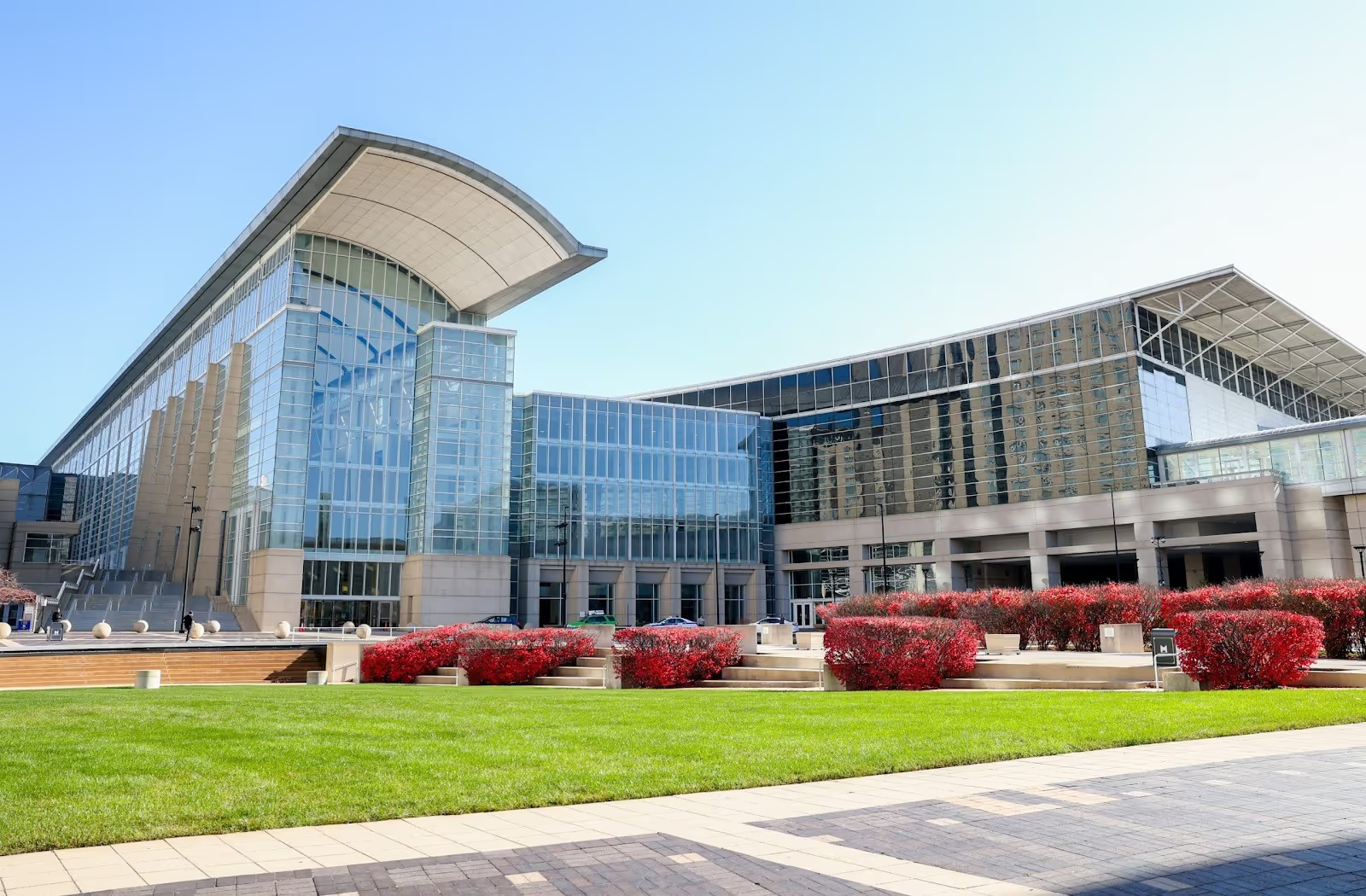
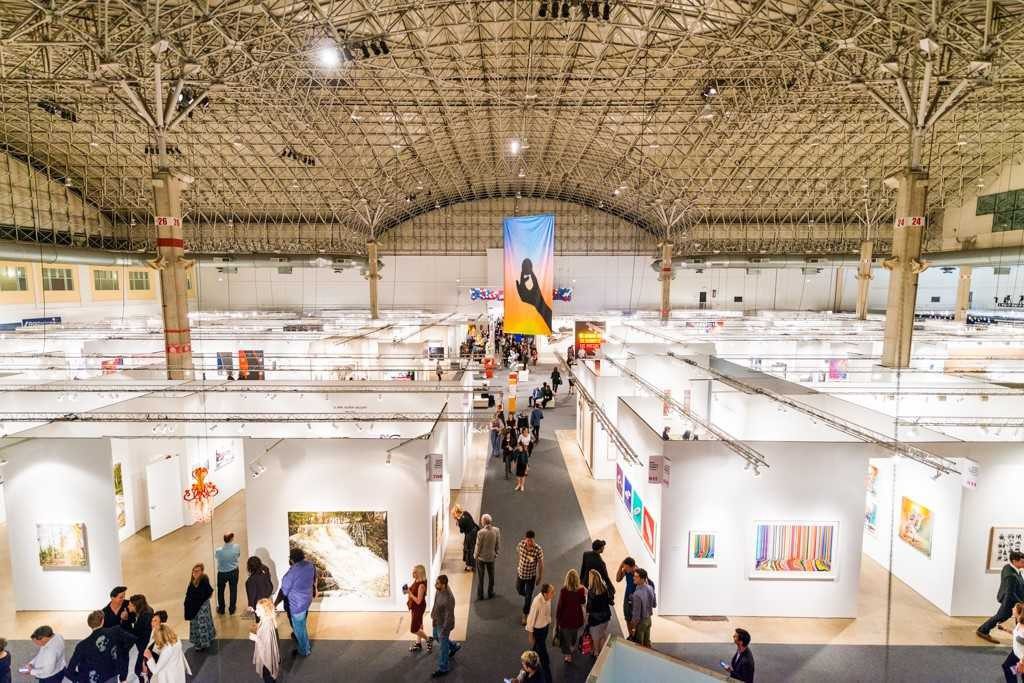
The McCormick Place Convention Center is North America’s leading convention center footprint, ideal for multi-entrance, multi-zone badge scanning and controlled session access at scale. Its total exhibit space exceeds 2.6 million sq ft.
Location: 2301 S. Dr. Martin Luther King Jr. (MLK) Drive, Chicago, Illinois 60616
Capacity:
- Consists of four buildings
- 170 meeting rooms (600,000 square feet of meeting room space)
- 6 ballrooms
- Assembly seating for 18,000 people
Key Features:
- Comprehensive internet and networking services are available throughout public spaces, ballrooms, meeting rooms, and exhibit floors.
- Complimentary basic Wi-Fi across most public zones, with paid upgrades available for dense device environments: helpful for supporting multiple scanning stations and real-time data dashboards.
- Business center & printing services (including FedEx Office) on campus, enabling onsite badge-related printing or organizer needs.
- On-site convenience services, such as coat check and information desks at key access points. These help reduce friction at registration and efficiently direct attendees to scanning lanes.
- Wheelchair-accessible first aid stations in each building.
2. Navy Pier Festival Hall
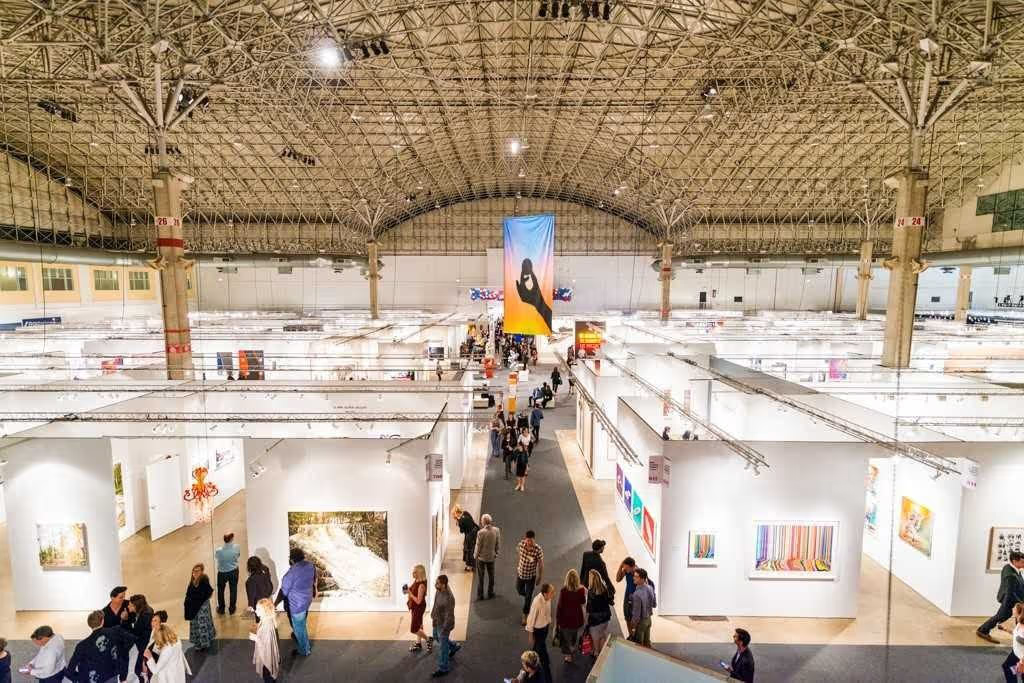
Navy Pier offers one of Chicago’s most flexible large-event environments, combining expansive indoor halls with a public-facing waterfront location. This makes it especially effective for high-visibility conferences that require precise perimeter control and reliable badge validation to separate attendees from the general public.
Location: 600 E. Grand Avenue, Chicago, Illinois 60611
Capacity:
- 170,000+ sq ft of column-free exhibit space
- Can accommodate 900 10’ x 10’ booths
- 36 convenient meeting rooms
- Supports multi-track conference formats (1,000+ attendees)
Key Features:
- Venue-wide internet and telecommunications services designed to support event technologies and attendee connectivity
- LED lighting system
- High vaulted ceilings (60’ at center and 28’ at lowest point) that can be configured for parallel check-in and badge scanning lanes
- 8-truck dock for smooth loading and unloading
- Clear zoning between public pier areas and private event spaces, enabling controlled access checkpoints
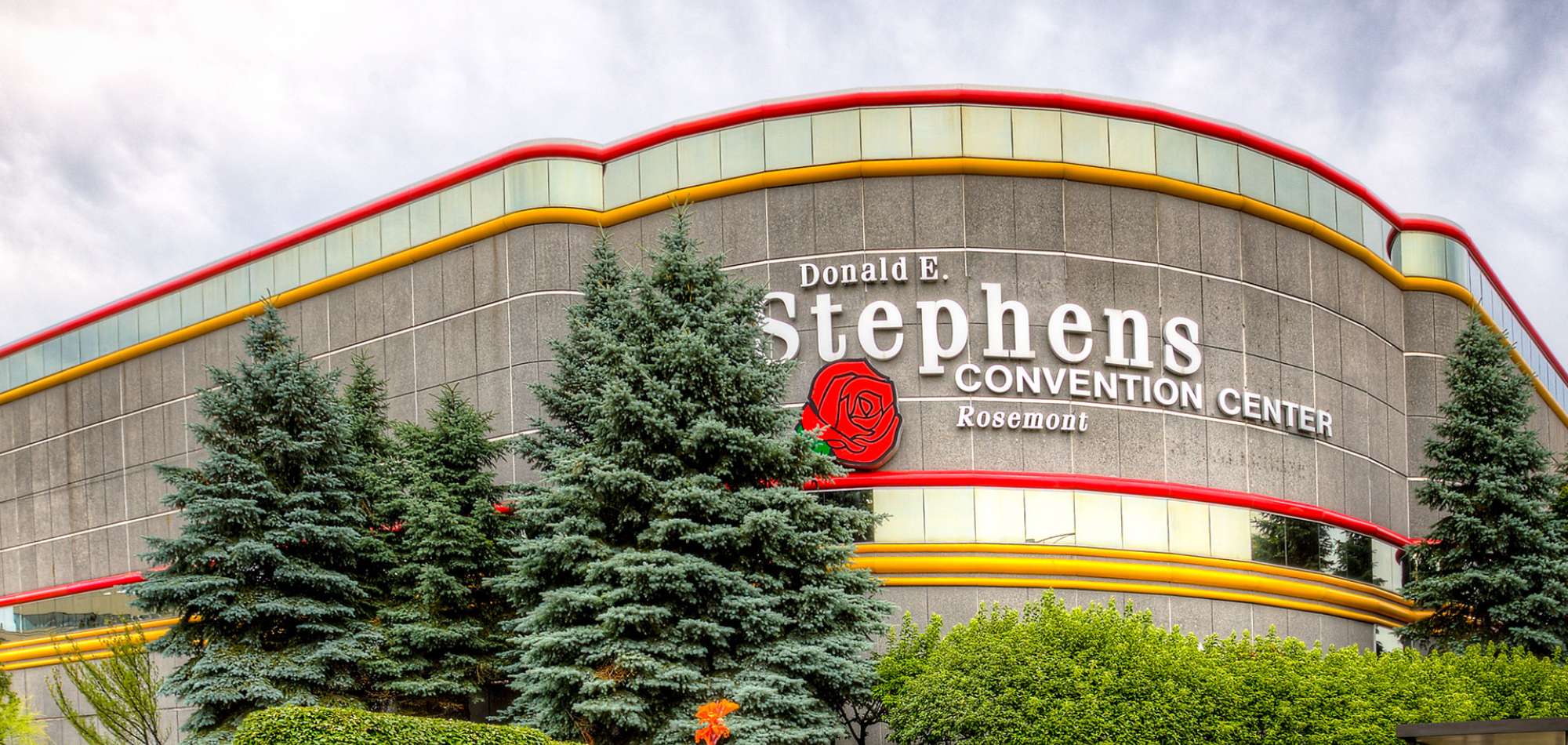
3. Donald E. Stephens Convention & Conference Center (Rosemont)
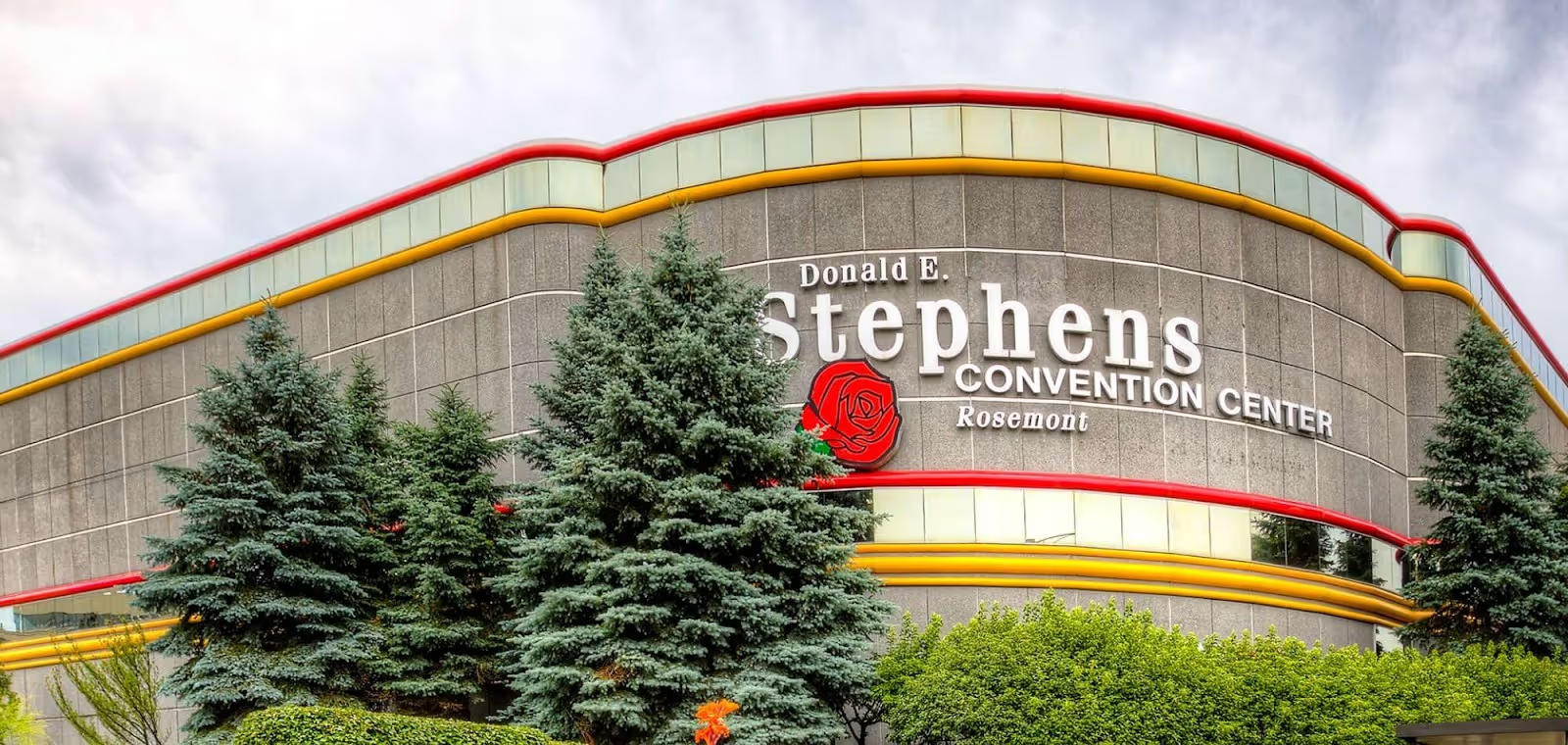
The Donald E. Stephens Convention & Conference Center is designed for large-scale exhibitions and conferences where exhibitor density, customized layouts, and controlled access are essential. Its expansive, configurable floor plans make it especially effective for events that require clear separation between attendee, exhibitor, and staff access zones.
Location: 5555 N. River Road, Rosemont, Illinois 60018
Capacity:
- 840,000 sq ft of total exhibition space
- 250,000 sq ft of continuous exhibit space supporting up to 1,225 booths
- Multiple-hall layouts accommodating up to 3,566 booths
Key Features:
- Flexible hall configurations that support zoned badge scanning and controlled entry points
- Light dimmer capabilities, supporting controlled session environments
- High-speed DS3 fiber optic internet access, enabling reliable real-time badge scanning and access validation
- Separate sound systems in each conference area, allowing session control without audio interference
4. Schaumburg Convention Center
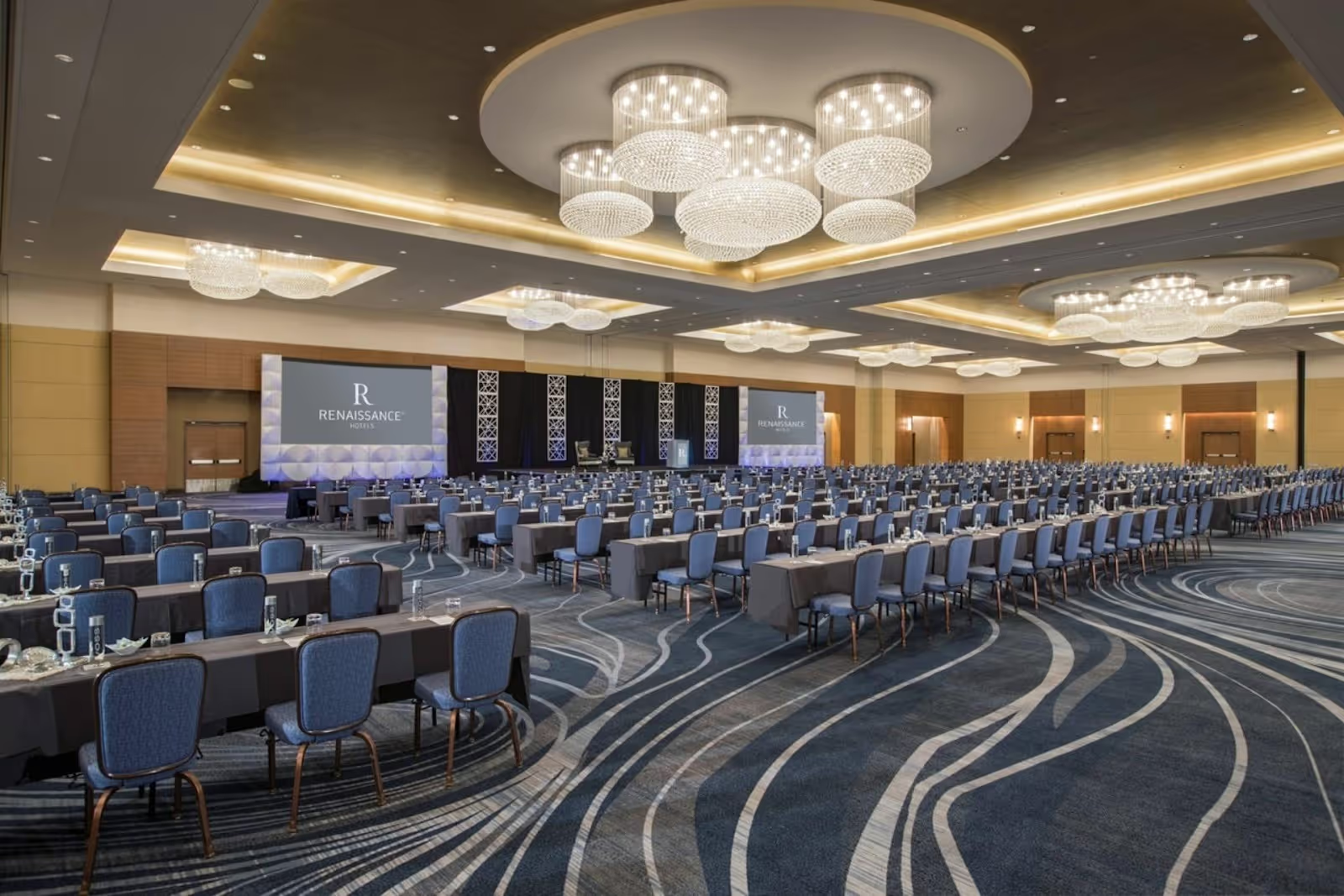
The Schaumburg Convention Center is a modern, expansive event facility in the Chicago metro area that blends a large, flexible footprint with professional infrastructure. It's ideal for conferences, association meetings, and other large-scale events.
Location: 1551 N. Thoreau Drive, Schaumburg, Illinois 60173
Capacity:
- 150,000 sq ft of flexible, fully-equipped event space
- 30+ meeting rooms
- Suitable for 500+ attendee formats and exhibitions
Key Features:
- Configurable space designed for smooth traffic flow and large-scale access points
- Convenient suburban location with free on-site parking and good regional access
- Award-winning staff and service model that helps simplify complex attendee movement and logistics
5. Tinley Park Convention Center

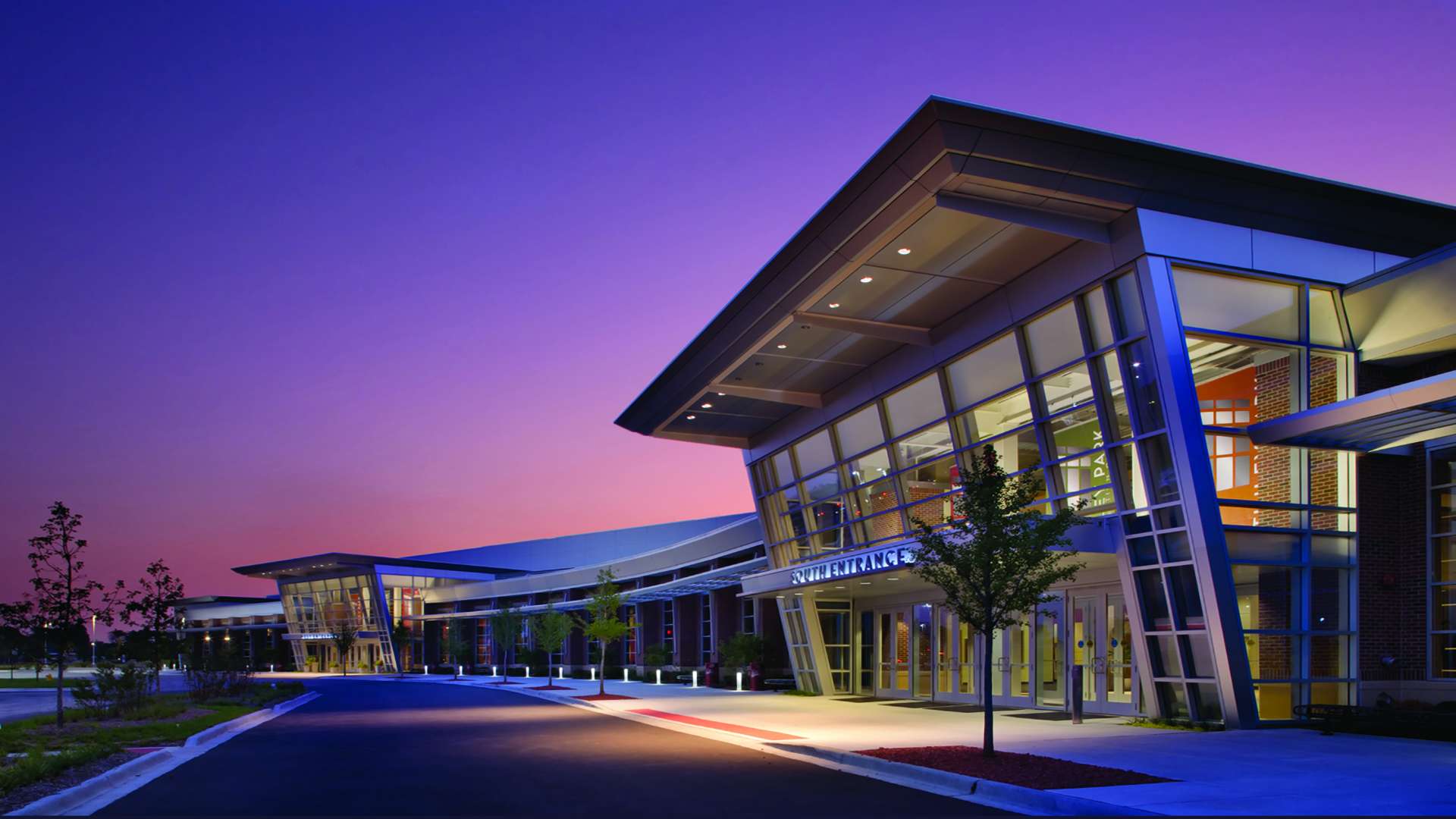
The Tinley Park Convention Center is a strong choice for mid-to-large conferences that need scale without downtown congestion. Located about 30 miles south of Chicago, it’s designed for events where efficient badge scanning and smooth arrival logistics are critical.
Location: 18451 Convention Center Drive, Tinley Park, Illinois 60477
Capacity:
- 120,000 sq ft total facility size
- 70,000 sq ft of event space, including 58,000 contiguous sq ft
- Space for 375+ standard 8’×10’ booths
- 21 breakout rooms of varying sizes, ideal for multi-track agendas
Key Features:
- Large, contiguous exhibit floor that supports centralized or zoned badge scanning
- High ceilings up to 35 feet and open layouts that reduce congestion and improve line-of-sight for check-in and session entry points
- Direct connection to EVEN Hotel Tinley Park with 202 on-site rooms, plus 600+ nearby rooms, simplifying attendee flow and arrival timing
- 1,500 free parking spaces, enabling faster arrival dispersal and reducing peak check-in bottlenecks
6. Q Center
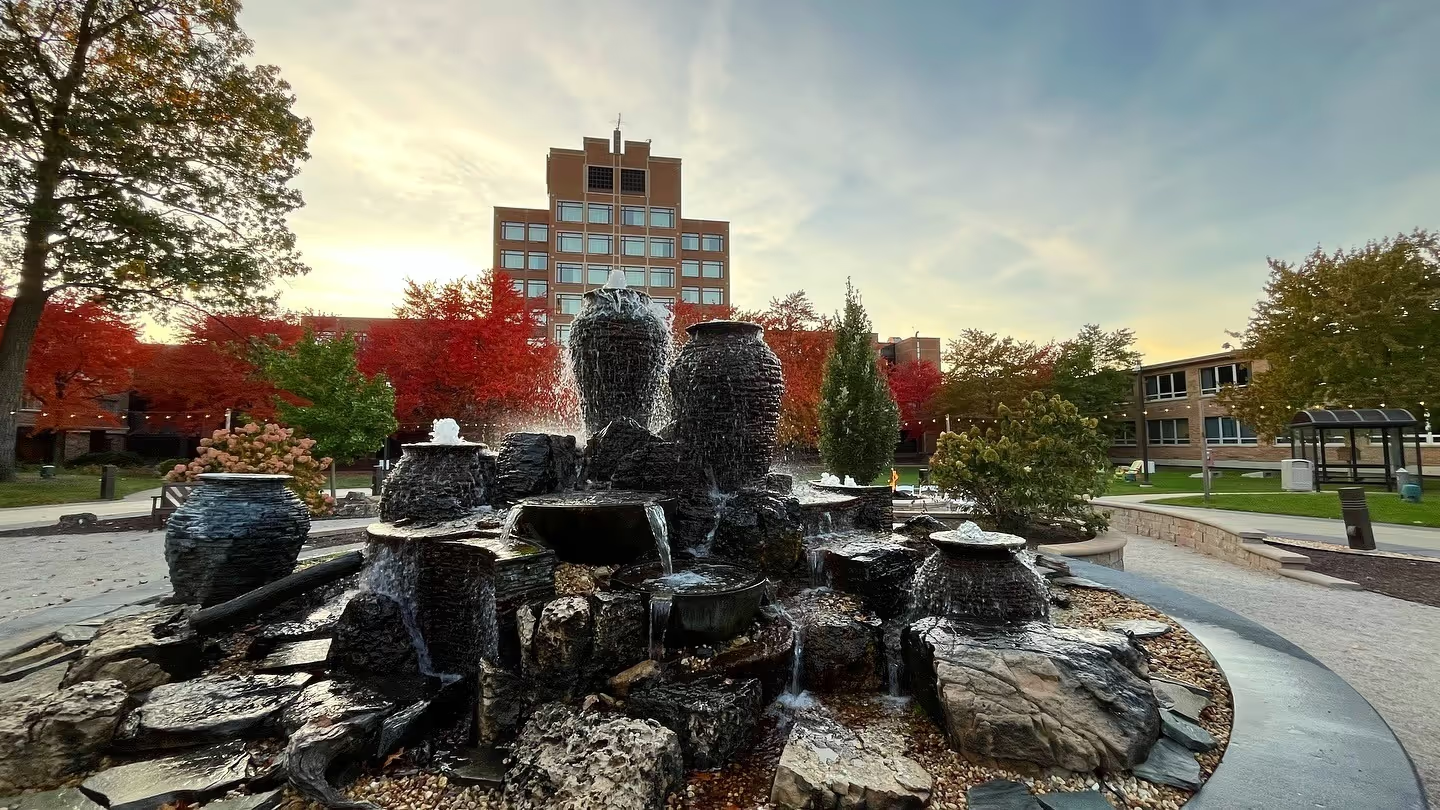
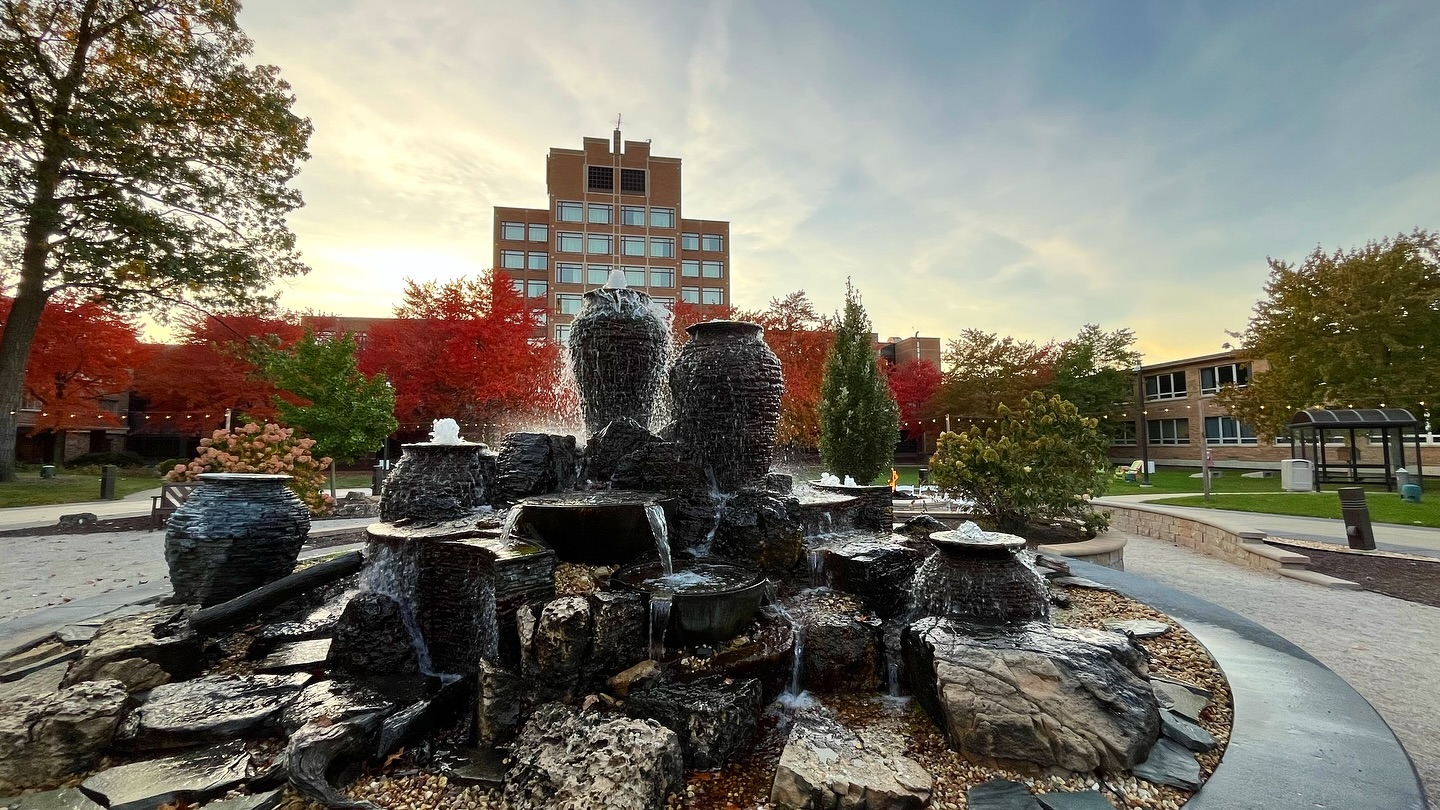
Q Center stands apart from traditional conference venues by combining scale, structure, and immersion. Located just west of Chicago in St. Charles, it’s often described as the Midwest’s largest meeting and events center. It's designed for organizations that run agenda-dense, multi-day conferences where attendee movement, session access, and engagement must be tightly managed.
Location: 1405 North Fifth Avenue, St. Charles, Illinois 60174
Capacity:
- 150,000 sq ft of IACC-certified meeting and event space
- Set on 95 acres of wooded grounds
- 2 ballrooms, 3 amphitheaters, and 100+ classrooms and breakout rooms
Key Features:
- IACC-certified facilities designed for structured learning environments and controlled session access
- Campus-style layout that supports distributed badge scanning at building and room entry points
- Q Creative, an in-house media and production team supporting videoconferencing, multimedia presentations, and hybrid engagement
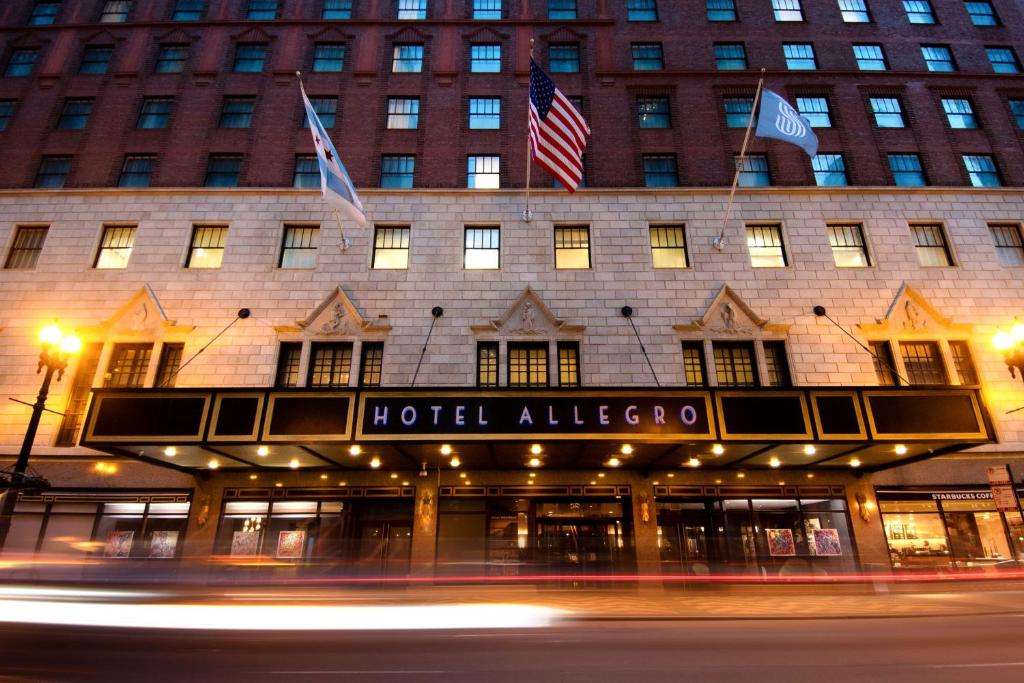
7. The Allegro Royal Sonesta Hotel Chicago Loop
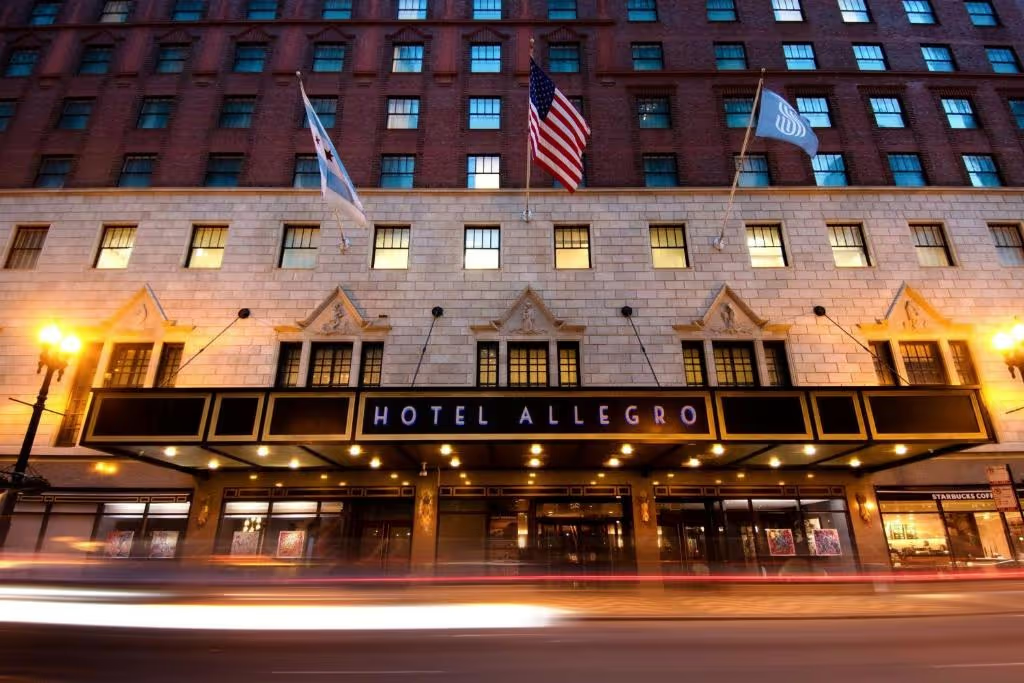
The Allegro Royal Sonesta Hotel Chicago Loop is well-suited for mid-sized, regulation-driven conferences where compliance, controlled access, and a polished attendee experience matter. Its layout supports focused programs that benefit from structured badge scanning and session-level access control, especially in healthcare and life sciences events.
Location: 171 W. Randolph Street, Chicago, Illinois 60601
Capacity:
- 14,000+ sq ft of total event space
- 15 meeting rooms, each with flexible configurations
- Maximum capacity of up to 400 guests per room
Key Features:
- Healthcare Meeting Compliance Certificate Verified Venue (HMCC-VV) through Meeting Professionals International (MPI)
- Infrastructure and operational readiness to manage industry-specific compliance requirements, including food and beverage caps, room rate limits, and venue guidelines
- Historic Walnut Ballroom for plenaries, keynotes, or hosted sessions
- Distinct room separation that enables track-based or invite-only session access without cross-traffic
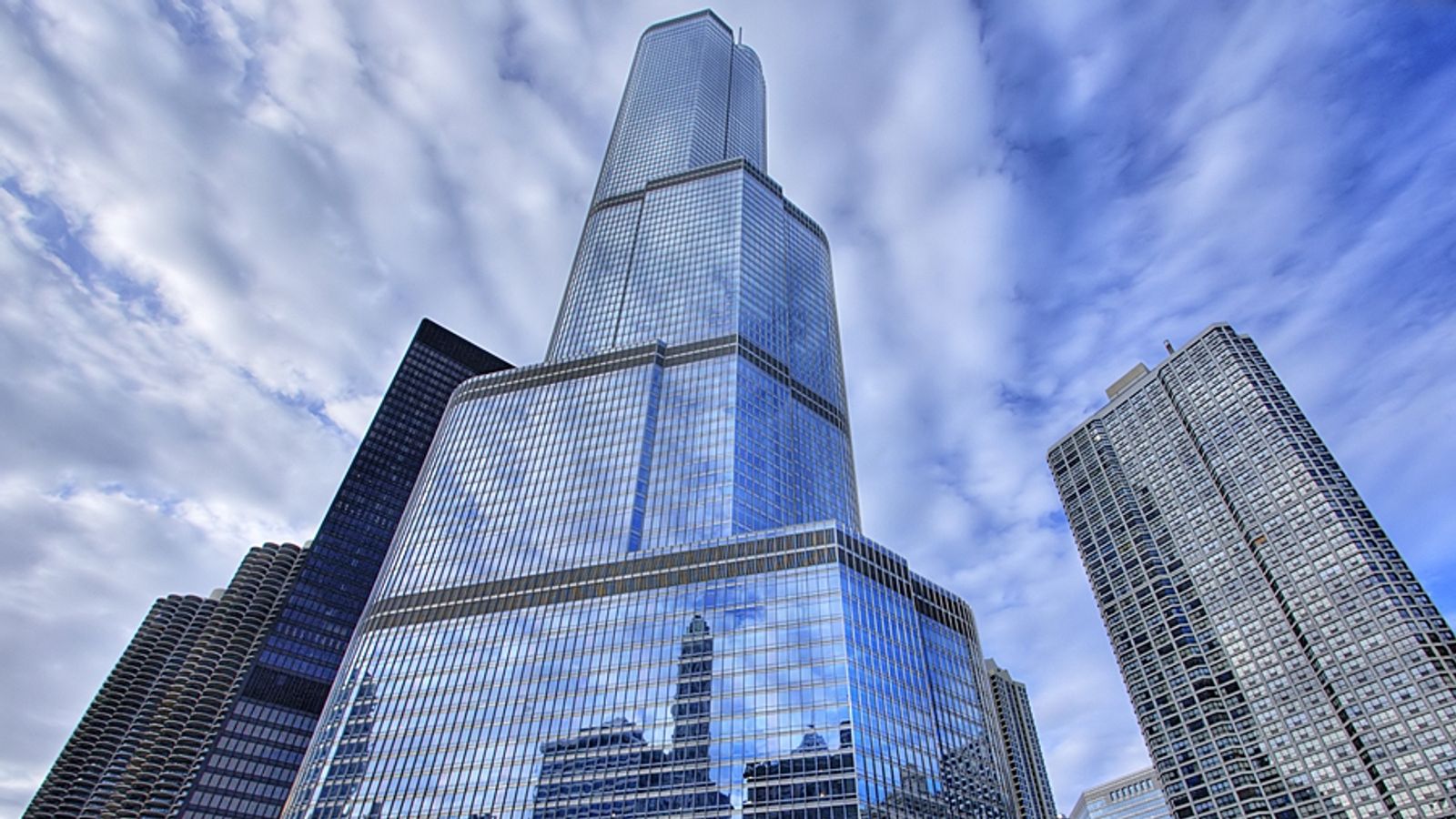
8. Trump International Hotel & Tower
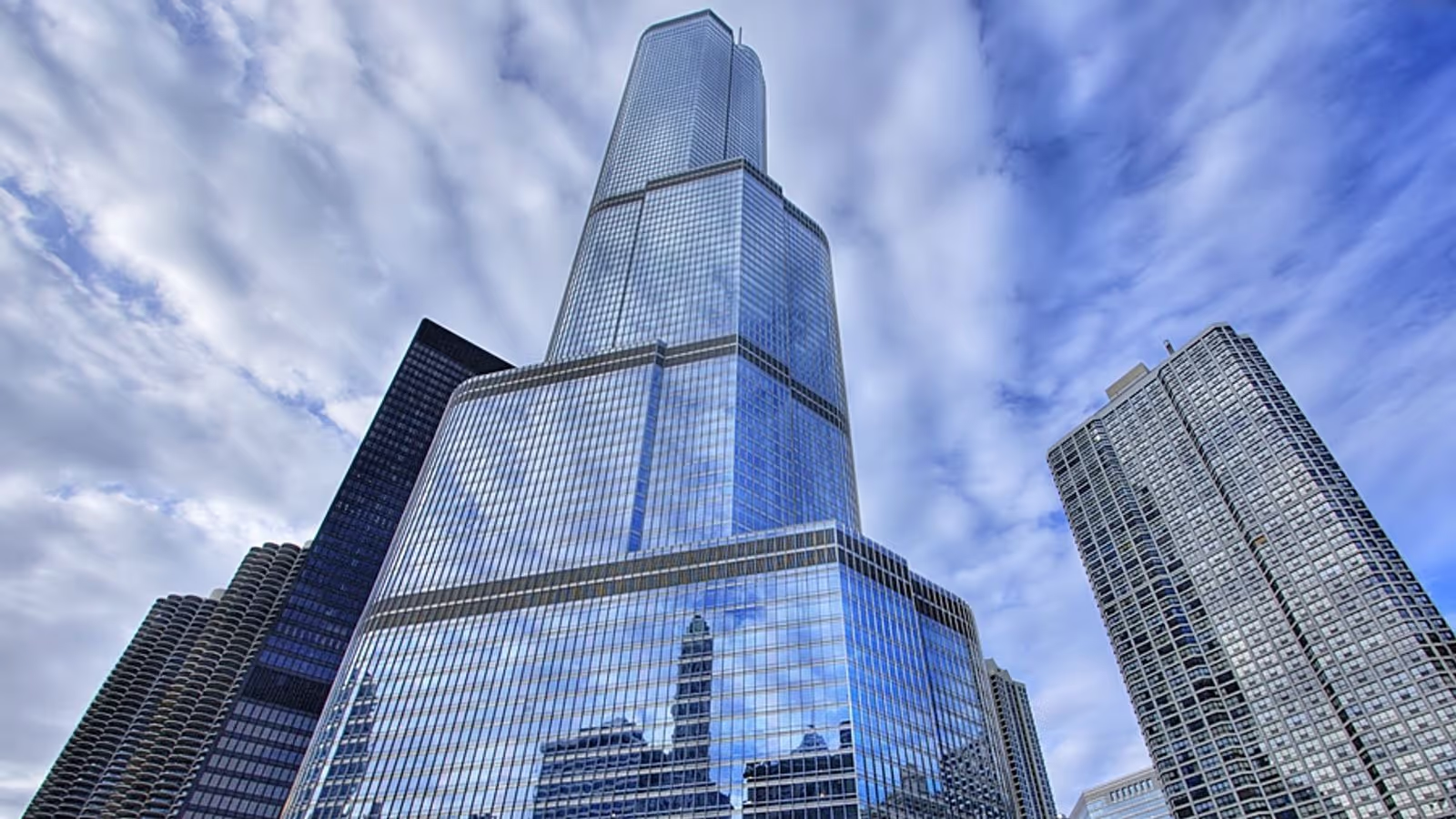
Trump International Hotel & Tower Chicago is designed for high-profile, tightly managed meetings and conferences where privacy, controlled access, and polished execution are essential. Its separation between in-house and other guests makes it especially effective for badge scanning and access control at corporate, executive, and invitation-only events.
Location: 401 N. Wabash Avenue, Chicago, Illinois 60611
Capacity:
- 26,000+ sq ft of function and meeting space
- Multiple configurable venues, including six salon rooms, several boardrooms, the Skyline Room, Riverside Room, and Grand Ballroom
- Grand Ballroom seating for nearly 250 guests
Key Features:
- Dedicated conference rooms suited for executive meetings and smaller breakout sessions
- Event spaces are easily accessible for guests staying on-site, reducing cross-traffic and congestion
- Conference rooms equipped with top-tier videoconferencing and audiovisual capabilities, supporting hybrid sessions and speaker access control
- In-house culinary team that customizes menus to match event tone, keeping attendees within managed event zones throughout the day
These venues are built to handle scale. However, to keep badge scanning fast and access control reliable, you must evaluate how well a venue supports real-world attendee flow and tech placement.
What Makes a Conference Venue Efficient for Badge Scanning and Access Control
Not all venues in Chicago that look impressive are operationally ready for modern badge scanning and access control. Efficiency comes down to how well a venue supports real attendee movement, technology placement, and data flow. Below is a practical framework you can use to evaluate whether a venue will actually work on conference day.
Physical Infrastructure Requirements
Badge scanning success starts with the physical environment. Even the best technology struggles if the space isn’t designed to support it.
Entry flow design
- Multiple, clearly defined entry points reduce congestion during peak arrival windows.
- Wide foyers or pre-function areas allow queues to form without blocking elevators, escalators, or public walkways.
- Separate access paths for attendees, exhibitors, speakers, and staff prevent cross-traffic at check-in.
Kiosk placement zones
- Space for parallel check-in lanes is essential, especially for events with 500+ attendees.
- Kiosks should be positioned before natural bottlenecks (doors, corridors), not inside them.
- Venues should allow flexibility to reposition kiosks as arrival patterns change.
Power and lighting
- Reliable power access and consistent lighting near entry points and session doors support facial recognition check-in and live badge printing.
Digital Readiness & Integration Capabilities
A venue’s digital backbone determines whether badge scanning works smoothly or collapses under load. These include:
Network stability
- Wi-Fi must handle hundreds (or thousands) of simultaneous devices during peak moments.
- Dedicated bandwidth options are essential for real-time data syncing across check-in, session scanning, and analytics dashboards.
Offline scanning needs
- Venues should support workflows where scanners continue to function offline and sync automatically once connectivity returns.
Compatibility with registration platforms
- Venues should allow smooth integration between on-site scanning tools and existing registration systems.
- API-friendly environments make it easier to enforce access rules (paid sessions, VIP areas) without manual intervention.
Crowd Flow & Session Design Compatibility
Efficient badge scanning doesn’t stop at the front door. It must work throughout the agenda.
Room turnover times
- Tight session schedules require fast exit and entry cycles.
- Scanning points should be positioned so that one session can clear while the next begins without delays.
Entry and re-entry scanning
- Entry and re-entry scanning must handle repeated badge validation without frustrating attendees or exhibitors.
Here's a practical “fit check” you can use when touring the venues mentioned above before selection. Walk the path your attendees will, and ask yourself:
- Where will 300–800 people queue at 8:00–9:00 AM without blocking elevators/escalators?
- How many doors does your keynote ballroom use, and can you scan in front of all of them?
- Where do breakouts bottleneck (stairs, corridors, foyer corners)?
- Which sessions need restricted access, and where will you enforce it?
Key Insight: If your answers are fuzzy during the site visit, they’ll be chaotic on show day.
Also Read: The Most Badge‑Friendly Conference Halls in San Francisco
How fielddrive Enhances Chicago Conference Venues from “Capable” to “Efficient.”
The best badge scanning venues Chicago has to offer may have space, power, and connectivity. Still, efficiency comes from how intelligently attendee flow, access rules, and data are managed in real time. This is where fielddrive turns capable conference venues into fully optimized, high-performing event environments.
- Touchless check-in kiosks: fielddrive’s touchless check-in kiosks support QR, barcode, and facial recognition check-in, allowing attendees to verify their identity and check in within seconds. This dramatically reduces queues at main entrances and keeps lobbies, foyers, and public areas moving.
- On-site badge printing: Pre-printed badges often create chaos when attendees change details or register late. fielddrive enables live badge printing in around six seconds per badge, directly at check-in. This is especially valuable in venues where space is shared with other events.
- Session access control & scanning: fielddrive’s session access control and scanning tools ensure only registered or paid attendees enter specific sessions, workshops, or VIP areas. You gain accurate attendance counts.
- Real-time dashboards: Our real-time analytics dashboards give you immediate visibility into check-in counts and arrival peaks, room capacity, and crowd flow across key areas, without reconciliation headaches.
- Global logistics and onsite support: Chicago events often involve tight schedules and high expectations. fielddrive’s global logistics network and onsite support teams ensure kiosks, scanners, and printers are delivered, set up, and supported without disruption.
.avif)
Final Thoughts
Chicago continues to attract some of the largest conferences in the US, and that scale brings real operational pressure. High attendee volumes, multi-track agendas, and layered access rules make efficient badge scanning and access control essential. Event success depends on choosing venues that can support fast entry and controlled movement, and pairing them with technology that performs reliably under real-world conditions.
This is where fielddrive serves as the operational layer behind leading badge-scanning venues that Chicago event teams rely on. Built by former event organizers, it is designed to handle scale. These include capabilities such as live badge printing, touchless check-in, session access control, and more. The result is smoother flow, better data, and fewer on-site compromises.
If you’re planning a conference in Chicago and want to reduce queues, enforce access rules, and gain real-time visibility into attendee movement, talk to fielddrive.
FAQs
1. What access-control challenges are unique to public-facing Chicago venues?
Venues like convention centers, piers, and downtown complexes often share space with the public. This makes perimeter enforcement critical, requiring badge scanning at entrances, session doors, and restricted internal zones.
2. What should we look for during a site visit to assess badge scanning readiness?
Beyond capacity, you should evaluate lighting at entrances, power availability near doors, hallway widths, and queue space. These physical factors often determine whether badge scanning works smoothly or causes visible delays.
3. How do Chicago conferences manage badge scanning when multiple events run simultaneously in one venue?
When venues host parallel events, you must isolate access by event-specific credentials and checkpoints. Without this, attendees drift between events, causing overcrowding, data contamination, and security issues.
4. How do we prevent session hopping at education-heavy conferences?
Session hopping happens when access rules aren’t enforced at the room level. Conferences with certifications rely on session-specific scanning to ensure attendees enter only the sessions they’re registered for and to validate actual participation.
.svg)
.svg)
.svg)
Want to learn how fielddrive can help you elevate your events?
Book a call with our experts today


.svg)