

.svg)
.webp)
.avif)
Introduction
How do you get into events organizing and bring unforgettable experiences to life? Whether you dream of crafting delightful weddings, high-engagement conferences, or grand corporate galas, the path to becoming a successful event organizer is full of opportunities.
With the event planning industry projected to grow by 18% from 2020 to 2030, there's never been a better time to enter this dynamic field. Event organizing offers endless opportunities to showcase creativity, problem-solving skills, and a knack for turning ideas into reality.
To help you get started on your journey as an event organizer, the experts at fielddrive, with their wealth of industry experience, have contributed to putting this guide together.
What is Event organizing?
Event organizing is the process of planning, coordinating, and executing events of all sizes, from intimate gatherings to large-scale conferences and festivals. It involves everything from selecting venues and managing logistics to ensuring smooth guest experiences.
As an event organiser, you’re the one who brings the vision to life, making sure every detail is flawlessly executed to create a memorable experience. It’s a dynamic role that blends creativity, organisation, and problem-solving skills to deliver successful events.
Why Get Into Event Organizing?
- Diverse Career Opportunities: Event organizing offers roles across various industries, from corporate conferences to festivals.
- Creative Freedom: It allows you to design and execute unique experiences tailored to different audiences.
- High Demand: The industry is steadily growing, ensuring consistent opportunities.
- Networking Potential: You’ll connect with professionals from various sectors, expanding your network.
- Skill Development: Develop essential skills like leadership, problem-solving, and negotiation.
- Flexibility: Choose to work freelance, with agencies, or start your own business.

Skills and Knowledge Required
To thrive as an event organizer, you need a mix of practical skills and industry knowledge. These abilities help you navigate the complexities of planning and executing successful events. Here are some skills you need:
- Strong Communication: Essential for coordinating with clients, vendors, and team members.
- Time Management: Ability to handle multiple tasks and meet tight deadlines.
- Organizational Skills: Keep track of details and ensure nothing is overlooked.
- Problem-Solving: Quickly address unexpected challenges.
- Creativity: Design engaging and unique experiences.
- Budget Management: Allocate resources efficiently.
- Negotiation Skills: Secure the best deals with suppliers.
- Technical Proficiency: Familiarity with event management software.
- Attention to Detail: Ensure every element is executed flawlessly.
- Networking Skills: Build and maintain valuable industry contacts.
- Customer Service: Create a positive experience for clients and attendees.
- Project Management: Oversee the event from start to finish.
- Team Leadership: Guide and motivate your team efficiently.
How to Get Into Events Organizing?
Entering the world of event organizing requires dedication, the right skills, and a strategic approach. Whether you’re starting from scratch or looking to transition into this field, there are clear steps on how to get into events organizing to help you gain the experience and knowledge needed to thrive. Following these steps can help you build a solid foundation and establish yourself as a competent event organizer.
#1 Pursue a Degree in Event Management
A degree in event management provides a solid foundation for understanding the principles, strategies, and practicalities of organizing successful events. It equips you with the theoretical knowledge and hands-on experience needed to plan, coordinate, and execute events of any scale. Plus, it gives you a competitive edge, helping you build credibility in the industry. Here are a few courses you can consider:
- Bachelor’s in Event Management: Offers comprehensive training in all aspects of event planning.
- Hospitality Management: Provides broader knowledge, covering event planning within the hospitality sector.
- Marketing or Public Relations: Ideal for those interested in the promotional side of events.
How to Get Started:
- Research accredited universities or colleges offering these programs.
- Check admission requirements, including prerequisites or entrance exams.
- Consider online courses or diplomas for flexible learning options if a full degree isn’t feasible.
#2 Obtain Professional Certifications
Obtaining professional certifications in event management helps you stand out and shows your commitment to the field. These certifications provide specialized knowledge and practical skills, making you more attractive to potential employers or clients. They’re especially valuable if you don’t have a degree or want to enhance your expertise further. Here are a few certifications to consider:
- Certified Meeting Professional (CMP): Recognized globally and covers all aspects of event planning.
- Certified Special Events Professional (CSEP): Ideal for those focused on creative events.
- Event Planning and Management Certificate: Offered by many universities for a comprehensive skill set.
How to Get Started:
- Check eligibility requirements (most require some work experience).
- Enroll in study courses or prep programs.
- Prepare for exams with practice tests and study groups.
#3 Identify Your Area of Specialization
Finding your niche is essential in event organizing as it allows you to develop expertise, build a stronger brand, and cater to specific client needs. Whether you specialize in corporate events, weddings, or festivals, focusing on a particular type of event makes it easier to market your services and stand out in a competitive industry. Specializing also helps you develop a deeper understanding of the nuances involved, allowing you to deliver exceptional results. Here’s how to find your specialization:
- Assess Your Interests: Identify the types of events you feel passionate about, whether it’s grand weddings, corporate meetings, or music festivals.
- Evaluate Your Strengths: Evaluate your strengths by reflecting on your skills. Are you great at logistics, creativity, or managing large teams? Choose an area where your strengths align.
- Seek Feedback: Connect with experts or colleagues to get insights on where your talents shine and which specialization suits you best.
#4 Conduct Industry Research
Understanding the event industry landscape is crucial for staying ahead and making informed decisions as an event organizer. It helps you identify trends, understand your competition, and recognize opportunities to offer unique services that set you apart. Here’s how to conduct industry research:
- Follow Industry Publications: Stay updated with magazines, blogs, and websites related to event planning.
- Attend Industry Conferences: Participate in events to learn about the latest trends and network with professionals.
- Join Online Communities: Engage with forums, LinkedIn groups, and social media to gain insights.
- Analyze Competitors: Study other event organizers to understand their offerings, strengths, and weaknesses.
#5 Participate in Local Events
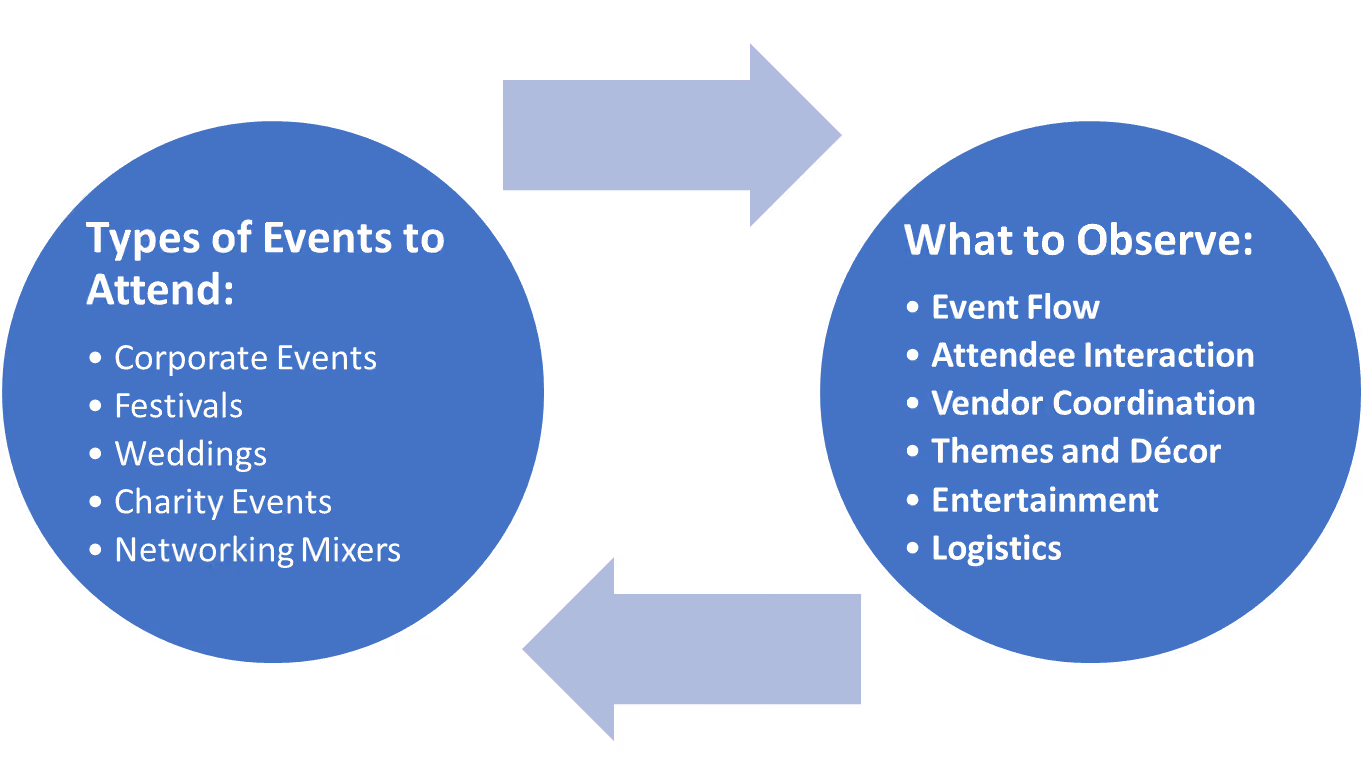
Attending local events gives you firsthand experience of how events are organised and managed. It helps you understand event flow, observe attendee engagement, and identify what works or doesn’t in a real-world setting. This insight is invaluable for learning the practical aspects of event organizing. Here are a few things to consider while attending local events:
- Creativity: Look for unique ideas in themes, décor, and event activities that capture attention.
- Event Flow: Observe how the agenda is structured, including transitions between segments.
- Attendee Interaction: Notice how the organizers engage with attendees, handle inquiries, or manage crowd flow.
- Vendor Coordination: Watch how organizers communicate and coordinate with vendors, suppliers, or catering teams.
- Logistics: Pay attention to check-in processes, seating arrangements, and any tech solutions used.
- Feedback: Listen to attendees' feedback or conversations about what they liked or disliked.
#6 Acquire Practical Work Experience
Gaining hands-on experience is vital for building a strong foundation in event organizing. It gives you the opportunity to apply your knowledge in real settings, learn how to manage challenges and refine your skills. This experience enhances your confidence and boosts your credibility in the industry. Here’s how you can gain experience:
- Volunteer: Start by volunteering at local community events, festivals, or fundraisers. This will expose you to different event types and allow you to network.
- Intern: Join an event management company as an intern to gain structured training from professionals and learn the ropes of the industry.
- Work Part-Time: Take on part-time roles in event organizing, such as assisting with logistics, guest coordination, or vendor management.
- Work Under Experts: Find opportunities to work with experienced event planners. This mentorship helps you understand the nuances of the job and learn best practices.
#7 Enhance Your Skills
Improving your skill set is crucial for standing out as an event organizer. The industry constantly evolves, and staying updated with the latest trends and techniques helps you adapt, innovate, and offer better experiences for your clients. Enhancing your skills ensures that you remain relevant and capable of handling diverse events efficiently. Here’s how to improve your skills:
- Take Online Courses: Enroll in courses that focus on event planning, project management, or marketing.
- Attend Workshops: Participate in industry workshops to learn new techniques.
- Experiment with Tools: Familiarize yourself with event management software to streamline your organizing process.
#8 Build a Strong Professional Network
Building a professional network is essential for your growth as an event organizer. It connects you with industry experts, provides access to job leads, and opens opportunities for collaboration. A well-established network helps you stay updated on trends and gain insights from experienced professionals, making it easier to navigate your career path. Follow these tips to build your network:
- Attend Industry Events: Engage with experts and peers at conferences, expos, and networking meetups to expand your circle.
- Join Professional Associations: Memberships in organizations like MPI (Meeting Professionals International) offer valuable connections and resources.
- Leverage Social Media: Actively participate in LinkedIn groups, comment on industry posts, and share insights to establish your presence.
- Stay Engaged: Regularly follow up with contacts, send personalized messages, or schedule coffee meetings to nurture relationships.

#9 Develop an Impressive Portfolio
An impressive portfolio serves as your personal brand, showcasing your skills, creativity, and experience in event organizing. It’s a powerful tool that allows potential clients or employers to see your capabilities firsthand, making it easier for them to trust your expertise and envision you handling their events. Here’s how to develop an impressive portfolio:
- Include Diverse Projects: Feature a variety of events—corporate, weddings, or festivals—to highlight your versatility.
- Use High-Quality Photos and Videos: Captivate viewers with visuals that showcase your attention to detail and event execution.
- Add Testimonials: Include client feedback that emphasizes your reliability and success.
- Highlight Your Role and Achievements: Clearly detail your responsibilities and any challenges you overcame to showcase your problem-solving skills.
Watch this video to learn how to build your portfolio:
#10 Effectively Promote Your Services
Promoting your services is essential to making your mark in the event-organizing world. It lets you showcase your expertise, build credibility, and attract clients who resonate with your style. By effectively marketing yourself, you ensure that your unique offerings stand out in a competitive industry. Here’s how you can effectively promote your services:
- Leverage Social Media: Regularly post your event highlights, planning tips, and behind-the-scenes content on platforms like Instagram and LinkedIn to engage potential clients.
- Network Actively: Attend industry events, expos, and conferences. Building genuine connections can lead to word-of-mouth referrals and opportunities.
- Utilize Online Directories: Register on event planning directories like Eventspedia or The Knot, increasing your visibility to those actively searching for organizers.
#11 Join a Reputable Event Management Company
Starting your career with a reputable event management company provides hands-on experience, mentorship, and exposure to large-scale projects. It’s a great way to learn industry best practices, understand client expectations, and build a network of valuable contacts. Here’s how you can join an event management company:
- Research Companies: Identify top event management firms in your area or industry of interest.
- Prepare a Strong Resume: Highlight relevant experience, skills, and certifications.
- Leverage Networking: Connect with professionals through LinkedIn or industry events.
- Apply Directly: Visit company websites or job portals to find open positions.
#12 Start Your Own Business
Now that you've gained valuable experience and built a strong skill set, you’re ready to take the leap and start your own event-organizing business. This step gives you the freedom to shape your brand, choose your projects, and grow your business on your terms. It’s your chance to make a mark in the industry and turn your passion into a rewarding venture. Here’s how you can start your own business:
- Develop a Business Plan: Outline your services, target market, pricing structure, and goals to guide your journey.
- Register Your Business: Check local legal requirements, obtain necessary licenses, and set up a business bank account for smooth financial management.
- Build a Brand Identity: Create a memorable brand name, logo, and professional website showcasing your portfolio and testimonials.
Revolutionize Your Events with fielddrive
fielddrive offers innovative onsite event technology designed to streamline processes, enhance attendee experiences, and boost your event’s success. With advanced solutions like facial recognition check-ins, touchless kiosks, and real-time analytics, fielddrive ensures seamless, efficient, and secure event operations. That’s why event planners worldwide trust fielddrive to create smooth and memorable experiences.
Key Features:
- Facial Recognition Check-In: Speeds up entry, cutting wait times by 50% while ensuring secure and efficient attendee verification.
- Self-Check-In Kiosks: Delivers a seamless, contactless check-in experience, enhancing safety and reducing staffing needs.
- Sustainable Badge Printing: Provides eco-friendly, high-quality badges, supporting sustainability without compromising professionalism.
- Lead Retrieval App: Enables exhibitors to capture and analyze leads in real-time, maximizing ROI and follow-up efficiency.
- Comprehensive Analytics: Offers real-time data and insights, allowing planners to optimize attendee engagement and improve future events.
Conclusion
Embarking on a career in event organizing is both exciting and rewarding, offering endless opportunities to showcase creativity and problem-solving skills. Remember, continuous learning and networking are crucial to growing and staying relevant in this dynamic field. With diverse pathways available, you can truly carve out a niche that suits your strengths.
Pursuing your event-organizing journey requires the right tools to make all the difference. fielddrive stands out as the ultimate solution, offering innovative technology like facial recognition, touchless check-in kiosks, and real-time analytics to ensure every event runs smoothly and efficiently. These features enhance the attendee experience and provide valuable insights to refine your future events.
Partner with fielddrive for a seamless event experience. Contact us for a demo today.
.svg)
.svg)
.svg)
Want to learn how fielddrive can help you elevate your events?
Book a call with our experts today


.svg)