

.svg)
.webp)
Exhibition Event Management Solutions and Strategies
Simplify exhibition event management from check-in to reporting. Keep attendees engaged and your data organized. Make your next event seamless today.
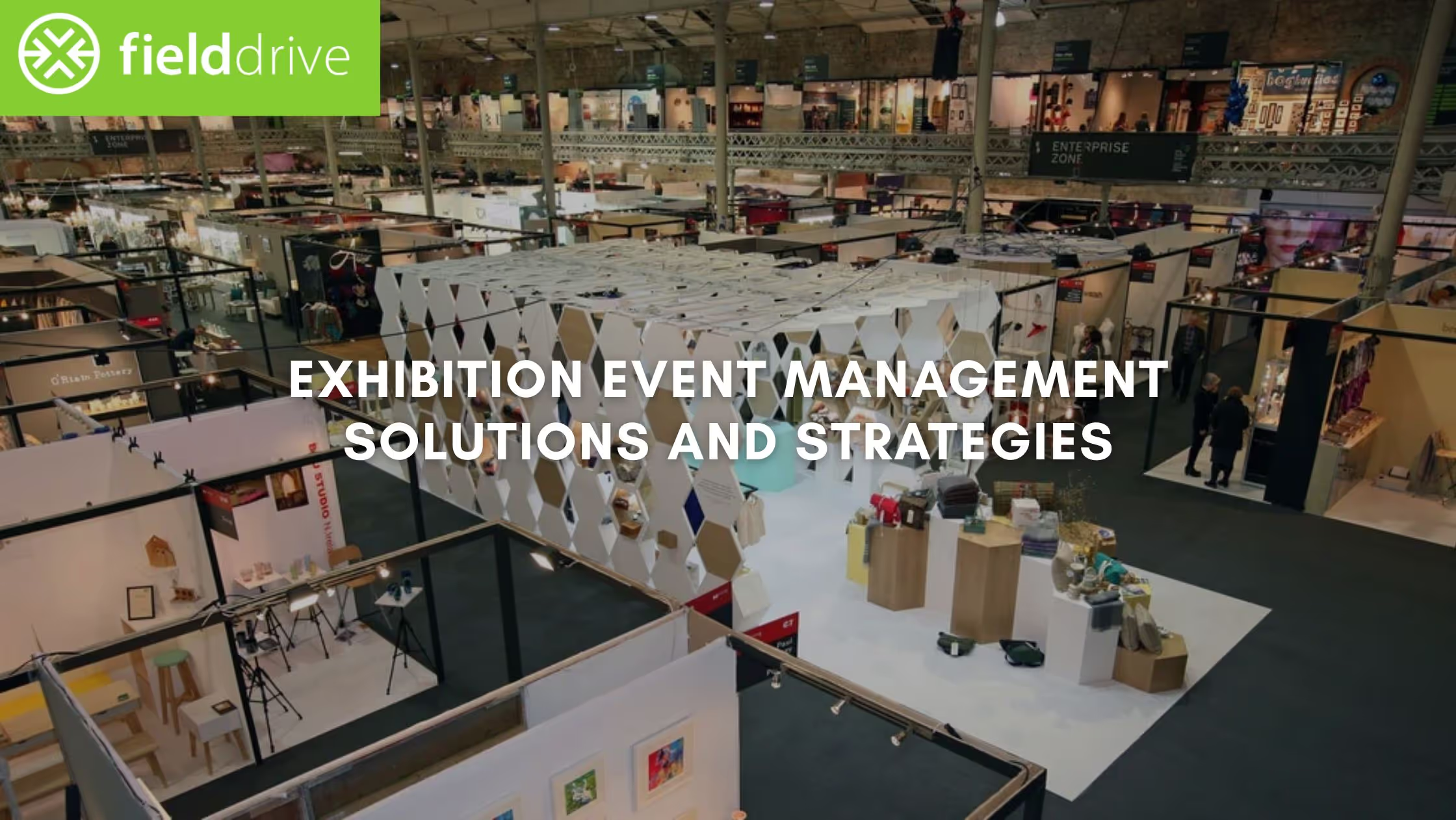
Walk into any major exhibition hall and you’ll feel the energy that drives global business. In 2024, exhibitions generated USD 398 billion in output and 4.3 million jobs across 180+ countries, proving their power as growth engines for brands seeking visibility and partnerships.
Across these events, 318 million visitors and five million exhibitors connected worldwide. Each exhibitor contributed over USD 34,000 in direct spending, proving that exhibitions don’t just promote products; they move revenue.
Their real value lies in bringing buyers, partners, and industry leaders together, offering direct access that few marketing channels match. When every element runs seamlessly, that access converts into measurable growth.
This article covers how exhibition event management drives results through effective planning, strategy, and tools that turn every event into measurable ROI.
Key Highlights:
- Exhibitions work best when every part connects through people, design, and data working in sync.
- The strongest events don’t just attract crowds; they build moments that spark action.
- Technology gives organizers real control, but purpose keeps everything aligned.
- Smart fixes, clear roles, and flexible planning turn complex setups into smooth experiences.
- When handled with care, an exhibition becomes less of a project and more of a living interaction.
How Smart Exhibition Management Drives Revenue and Results
Exhibition event management means running every moving part of an exhibition through one coordinated plan. It covers how exhibitors are onboarded, how layouts are organized, how visitors move, and how operations stay on track throughout the event. The goal is to keep planning, execution, and outcomes aligned.
When handled well, this structure turns effort into measurable gain. It lets organizers deliver stronger ROI while helping exhibitors meet buyers who actually convert. It also gives brands the exposure they expect when they invest in large-scale participation.
Here’s where the value truly builds:
- ROI: Efficient scheduling, booth placement, and visitor tracking reduce waste and lift revenue per exhibitor.
- Lead Generation: Centralized data collection helps teams capture and qualify leads on the spot instead of post-event guesswork.
- Networking: Smarter floor design and session timing connect attendees with relevant industry players faster.
- Market Visibility: Consistent branding and activity reporting help brands stand out and measure their exposure across the venue.
Digital systems now make all this simpler to control. Cloud-based dashboards record booth traffic, scan badges, and sync data in real time. Reporting tools give teams the clarity to adjust during the event, not after it. Together, these tools redefine exhibition event management from a coordination task into a data-backed performance system.

Also Read: 15 Best Event Management Systems to Streamline Your Events in 2026
Strong exhibition management creates the foundation, but turning that structure into real results depends on how it’s applied in practice. That’s where proven strategies start to shape the outcome.
Proven Strategies for Successful Exhibition Event Management
Every strong exhibition starts with a clear plan that connects what organizers want with what participants expect. Nearly 78% of organizers say in-person events are their most impactful marketing channel, making structured planning essential to turn that influence into measurable results.
Let’s break down the strategies that make an exhibition run smoothly and deliver measurable results.
1. Define Clear and Measurable Objectives
Start by knowing what success looks like. Decide the purpose, whether that’s driving leads, forming partnerships, or increasing brand reach.
With 67% of trade show attendees representing new prospects and potential customers, setting defined targets helps you focus efforts where conversion chances are highest. Objectives also guide exhibitors when reviewing performance after the event.
2. Plan Budgets Around Impact
Budgets work best when tied to expected value. Divide resources among booth design, marketing, and tech support based on what influences ROI the most.
Keep a margin for last-minute adjustments like signage updates or additional lead capture tools. Balanced spending prevents waste and keeps essential elements funded throughout planning.
3. Choose Venues That Support Experience
The right venue does half the work for you. A layout that naturally supports movement keeps visitors engaged longer and prevents crowding. Venues with flexible lighting, wide aisles, and easy booth access improve visibility for all exhibitors. A space that feels comfortable also makes attendees more open to exploring and interacting.
4. Design Booths That Tell a Story
Booths are where interest turns into action. Use layouts that welcome people in rather than close them off. Small touches like demo corners, product visuals, or hands-on displays build curiosity. Story-driven setups give brands personality and help visitors remember what they saw long after leaving the floor.
5. Build Smart Cross-Channel Promotion
Get the word out early and keep it consistent. Use email, social media, press mentions, and influencer shoutouts to reach different audience layers. Each channel should carry the same event tone and promise, so attendees know what to expect. This mix not only boosts signups but keeps buzz alive through the event week.
6. Assign Roles with Precision
A strong operations team doesn’t overlap work. Define who handles logistics, marketing, data tracking, and visitor support. Clear division of roles avoids confusion when timelines tighten. When every team member knows their zone, coordination feels effortless, and issues get solved faster.
7. Integrate Event Tech for Real-Time Control
Use technology that connects all moving parts, such as registration, lead capture, analytics, and communication. Real-time dashboards show booth activity and visitor engagement while helping teams adjust tactics during the event. These tools replace guesswork with solid numbers, making debriefs and reporting more accurate.

8. Keep Safety, Sustainability, and Accessibility at Core
Responsible management earns long-term trust. Set safety checks early, plan routes for accessible movement, and choose eco-friendly materials wherever possible. Energy-efficient lighting, recycling zones, and digital brochures reduce waste without hurting design quality. These small steps make events more inclusive and future-ready.
Also Read: A Guide to Events Management: Process, Technology, and More
With a solid foundation of strategies in place, the focus naturally shifts to the tools and systems that help bring these plans to life efficiently and effectively.
Technology Solutions for Exhibition Management
Technology keeps modern exhibitions organized, measurable, and responsive. It pulls every moving part together, so teams can plan smarter and react faster on event days. When tools talk to each other, coordination feels seamless instead of chaotic. Let’s look at how different systems make that happen:
- Event management platforms keep the structure intact. They centralize exhibitor data, schedules, and vendor coordination in one place. Everyone works from the same dashboard, which keeps communication clear and timelines on track.
- Mobile apps and smart badging simplify check-ins and session tracking. Visitors spend less time waiting and more time exploring. Badges also make networking easier by exchanging contact info instantly.
- Lead retrieval and CRM integration bridge the gap between event buzz and actual sales. Captured leads sync directly into sales systems, helping teams follow up quickly and measure which interactions led to conversions.
- Hybrid and virtual platforms expand participation for those who can’t attend in person. Exhibitors can showcase products online, and remote visitors still get access to sessions, chats, and demos, without losing context.
- Analytics and reporting tools turn every interaction into data. Organizers can track booth visits, dwell times, and ROI in real time, helping them understand what worked and what needs improvement.
Equipped with the right technology, organizers can foresee and tackle surprises, turning possible disruptions into manageable outcomes.
Critical Event Challenges with Smart Fixes
Things don’t always go as planned during exhibitions. Booth swaps, late deliveries, or quiet visitor zones can shake up even a solid setup. What matters is how quickly teams respond without losing flow. Here’s how to stay ahead when the floor gets unpredictable.
Also Read: How to Organize a Hybrid Trade Show in 2025
With these common challenges and smart fixes in mind, it’s clear that keeping everything connected is key. Let’s see how fielddrive helps turn planning, adjustments, and real-time insights into a seamless exhibition experience.
Using fielddrive to Streamline Exhibition Operations
Smooth exhibitions depend on how well each moving part connects, including registration, check-in, data tracking, and reporting. When these run separately, teams lose time fixing small issues instead of improving the attendee experience. fielddrive changes that with a connected system built for on-site control and reliable insights.
Here’s how it brings order and clarity to complex exhibition setups:
- Automated Check-in: Reduces queues and entry delays while keeping visitor data accurate.
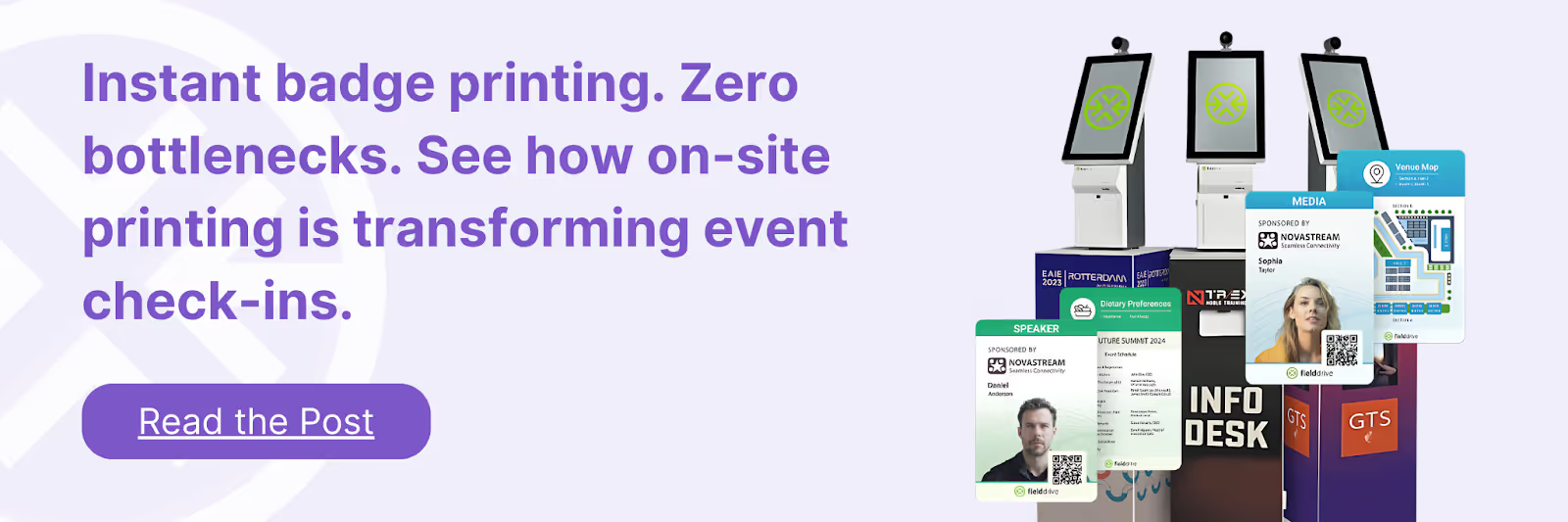
- Smart Badging: Prints personalized badges instantly and tracks visitor flow in real time.
- Live Data Insights: Gives organizers clear visibility into booth traffic and engagement trends.
- Seamless Platform Integration: Connects registration, on-site tools, and analytics into one system, with no duplicate uploads or manual syncs.
- Post-Event Reporting: Delivers structured performance data that helps organizers measure ROI faster and plan improvements for the next event.
Together, these tools remove the guesswork from exhibition management. Teams spend less time managing spreadsheets and more time creating better experiences for exhibitors and visitors alike.
Conclusion
Exhibition management works best when all parts, including planning, coordination, and on-site execution, move in sync. Success depends on how clearly goals are set, how smoothly operations run, and how quickly insights turn into improvements.
Organizers who treat every exhibition as a learning cycle grow faster. Each event is an opportunity to refine strategy, measure impact, and enhance collaboration among teams, vendors, and technology partners.
That’s where solutions like fielddrive continue the cycle forward, helping turn organized systems into lasting efficiency. With integrated tech and reliable data, exhibitions don’t just run well once; they keep getting better every time.
Book a demo with fielddrive to see how streamlined exhibition management can be!
FAQs
1. How do organizers measure attendee satisfaction during exhibitions?
Post-event surveys and live feedback kiosks help gauge attendee sentiment. Adding quick polls inside the event app or through digital kiosks captures reactions in real time, giving organizers insights while the experience is still fresh.
2. What role does sustainability reporting play in modern exhibitions?
Sustainability reporting tracks how efficiently energy, materials, and waste are managed throughout the event. Organizers use this data to show environmental accountability and attract exhibitors who value responsible business practices.
3. How can exhibitions support year-round brand engagement?
Many organizers now extend event communities online. Through content updates, webinars, or exclusive networking groups, exhibitors and attendees stay connected long after the exhibition ends, turning a single event into an ongoing engagement cycle.
4. What makes data privacy important in exhibition tech systems?
With attendee details captured through check-ins, badges, and engagement tools, privacy must stay non-negotiable. Platforms like fielddrive use encrypted systems and compliant workflows to protect participant data while keeping event insights accurate and accessible.
5. How do international exhibitions handle language and cultural barriers?
Large exhibitions often use multilingual apps, signage, and interpreter zones to make navigation easy for global audiences. These steps improve comfort and increase participation from regions that might otherwise feel overlooked.
.svg)
.svg)
.svg)
Want to learn how fielddrive can help you elevate your events?
Book a call with our experts today


.svg)