

.svg)
.webp)
How to Reduce Attendee Queue Iime at Check-in in 2026
Cut event check-in queues with smart digital tools. Learn strategies to speed up entry, improve attendee flow, and create seamless event experiences.
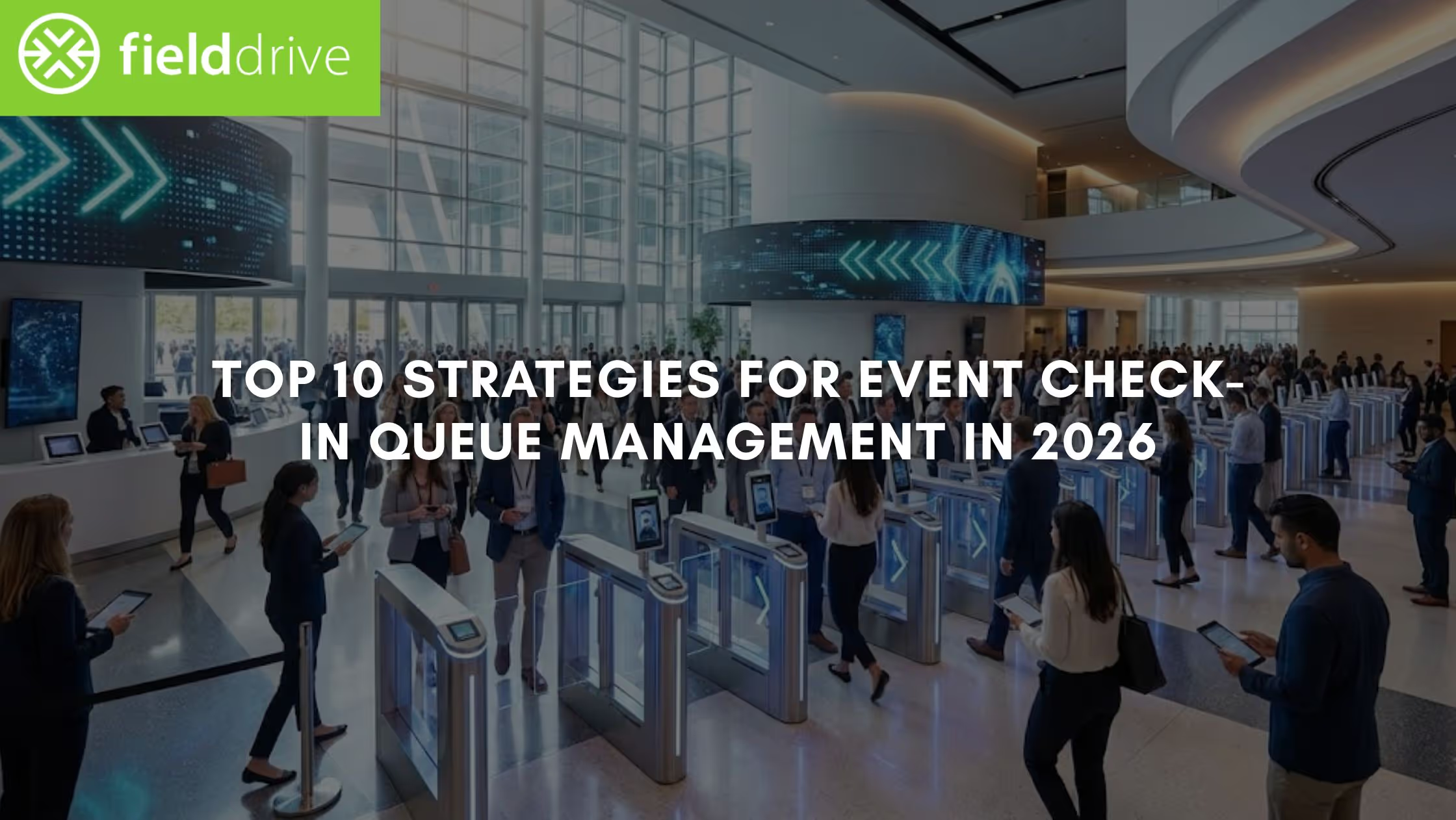
Few things frustrate attendees faster than standing in a slow-moving check-in line. Every minute spent waiting feels like lost time, and for organizers, it can set the wrong tone before the event even begins.
Modern events can’t afford that. Today, technology makes it possible to welcome hundreds of guests smoothly, securely, and without stress. Digital check-in tools, facial recognition, and queue management systems have replaced clipboards and spreadsheets, turning bottlenecks into quick, touchless entries.
In fact, digital check-in systems can cut queue times from minutes to near-instant arrivals. Here’s a practical guide to help you streamline your event check-in process, reduce wait times, and create an experience your attendees actually enjoy.
Key Takeaways
Why Long Check-In Queues Hurt Your Event Experience
The check-in desk is your first impression, and long queues send the wrong message.
When attendees face slow lines, it doesn’t just waste time; it affects how they feel about your event. In B2B settings, delays disrupt schedules, cause missed sessions, and reduce networking opportunities.
The ripple effect touches everything: staff stress, attendee mood, and even session engagement.
The industry clearly recognizes that faster entry equals better experiences. Efficient check-ins communicate professionalism, respect your attendees’ time, and build confidence in your event operations.
A smooth entry process doesn’t just start the event right; it keeps the energy high throughout the day.
Understand the Root Causes of Check-In Delays
Before fixing the problem, it’s worth understanding where the delays really come from. Most check-in slowdowns can be traced back to one of these common culprits:
Common Bottlenecks at Event Entry
- Manual verification: Searching printed lists or scanning spreadsheets takes precious seconds per guest.
- Badge printing delays: Pre-printed or mismatched badges slow the entire line.
- Poor signage or flow: Attendees often queue in the wrong lines due to unclear directions.
- Limited staff: A shortage of trained personnel leads to pileups at peak times.
- Disconnected systems: When registration, ticketing, and check-in don’t sync, data mismatches cause errors and delays.
Identifying these causes is the first step. Once you know what’s slowing attendees down, you can choose the right solutions, from smarter tech to clearer layouts, to make check-ins faster and frustration-free.
Identifying bottlenecks is only half the battle; the real progress comes with smart solutions. Here’s how to streamline your event check-in process effectively.
10 Strategies to Reduce Attendee Queue Time at Check-In
Long lines at check-in can slow down your event and frustrate attendees before it even begins. A well-organized check-in process helps guests move quickly, feel welcomed, and start the event on a positive note.
Queue time drops significantly when clear planning, trained staff, and reliable event technology work together. Each step, from digital booking to real-time monitoring, contributes to a smoother flow and a calmer, more professional experience.
Below are ten proven strategies that help event teams manage check-ins efficiently and reduce waiting time for every attendee.
Strategy 1: Leverage Fast Digital Check-In and RFID Tech
This is where technology truly transforms your entry experience. Manual lists and paper passes are outdated; digital check-ins complete the process in seconds.
Here’s how you speed things up:
- Facial recognition check-in: Identify attendees instantly for contactless, secure entry.
- QR code scanning: Fast, flexible verification directly from mobile devices.
- RFID badges: Enable automated tracking and access control at multiple points.
- Live badge printing: Print personalized badges on demand, no pre-sorted stacks or reprints.
According to fielddrive data, digital systems can process 200 attendees per hour per kiosk, with badge printing completed in just six seconds. That’s the difference between a bottleneck and a smooth, five-star experience.

Strategy 2: Implement Digital Appointment or Booking Systems
One of the simplest ways to control queue buildup is by managing how and when attendees arrive. Digital appointment systems let guests choose a preferred arrival slot during registration, spreading out check-in volume and minimizing peak congestion.
By staggering entry times, you avoid the typical 9 a.m. rush where everyone shows up at once. These systems also give your team visibility into who’s expected and when, allowing smarter staff allocation.
Virtual queue models, similar to digital ticketing or appointment apps, let attendees “hold their place” without standing in line.
For organizers running large-scale or multi-session events, this small shift dramatically reduces crowding and improves attendee flow before the first badge is printed.
Looking to integrate digital check-ins with your broader event tools? Explore the top event management software for live events to find platforms that streamline every step of planning.
Strategy 3: Deploy Queue Management Systems (QMS) for Virtual Queues
If appointment systems spread arrivals, queue management systems orchestrate them. A QMS assigns digital tokens or numbers to attendees, notifying them via screens or mobile alerts when it’s their turn to check in.
This replaces long, physical lines with “virtual waiting rooms,” where guests can grab coffee, explore sponsor booths, or network while they wait. In trade shows or expos, that extra flexibility improves comfort and boosts early engagement.
Modern QMS tools also provide analytics that visualize queue lengths in real time. That means you can open new counters, redirect traffic, or reassign staff instantly, before congestion forms.
When integrated with fielddrive’s live dashboards, you gain a real-time view of attendee flow, helping every lane move at the right pace from the moment doors open.
Strategy 4: Separate Credential Issues into Dedicated Help Lanes
Nothing slows a check-in line faster than one attendee with a registration problem. The fix is simple: keep main check-ins clear and create dedicated help lanes for exceptions.
These lanes handle:
- Payment or registration discrepancies
- Name changes or missing credentials
- On-site ticket purchases or badge replacements
When attendees with issues step aside to a separate line, the rest keep moving. This single change can cut the main queue time during peak hours.
With fielddrive’s kiosk check-ins and quick name lookup options, staff can solve most problems in seconds, without interrupting the main flow. It’s efficiency and service, rolled into one smooth operation.
Strategy 5: Optimize Queue Design with Clear Signage and Wayfinding
Sometimes, queues aren’t long because check-ins are slow; they’re long because people don’t know where to go. Optimizing layout and signage can dramatically improve flow and reduce perceived wait time.
Practical layout fixes include:
- Floor markings that guide attendees toward the right line.
- Directional signs for pre-registered, VIP, or on-site check-ins.
- Digital signage showing estimated wait times or queue status.
Even small visual cues prevent cross-traffic and confusion. Research shows that trained queue staff and clear visual flow significantly reduce perceived waiting times.
Pair physical signs with live digital indicators from your event management system, so attendees always know where to head next and never feel “stuck in line.”
Clear signage and controlled flow help reduce crowd tension and confusion. For more large-scale planning ideas, see these crowd control techniques for effective management.
Strategy 6: Introduce Priority Lanes for Special or VIP Attendees
VIPs, speakers, sponsors, and differently-abled guests shouldn’t be held up in the same queue as everyone else. Setting up priority lanes ensures faster, more dignified entry and demonstrates thoughtful event planning.
You can define these lanes by attendee type or access level:
- VIP lane for special guests or executives
- Accessibility lane for mobility support
- Express lane for pre-checked or app-verified guests
This also enhances inclusivity and perception; every attendee feels seen and valued.
Fielddrive’s Access Control System automates this, assigning permissions digitally so VIPs are recognized instantly at kiosks or facial recognition stations.
No separate wristbands or manual sorting, just seamless, automated access that respects everyone’s time.
Strategy 7: Train Staff for Peak Efficiency and Friendly Management
Even the best systems need skilled people to run them. A well-trained team can make the difference between organized flow and chaotic entry.
Training should cover:
- Using kiosks, scanners, and badge printers confidently
- Managing crowd behavior calmly
- Redirecting traffic during bottlenecks
- Communicating clearly and positively with guests
Attendees notice when check-in staff are quick and confident, it sets a positive tone for the rest of the day.
With fielddrive’s intuitive check-in interface, onboarding your team is fast, and efficiency comes naturally; no steep learning curve required.
Strategy 8: Boost Attendee Prep with Pre-Event Communication
The best-managed queues start before the event begins. When attendees know exactly what to expect, check-ins happen faster and more smoothly.
Smart organizers use pre-event communication to get everyone ready. Here’s how to do it:
- Send reminder emails with registration confirmation and a digital QR code.
- Include clear arrival instructions, entry maps, and parking info.
- Encourage attendees to complete digital verification or upload documents early.
- Send push notifications through your event app on event day.
When everyone arrives prepared, confusion drops dramatically, and staff can focus on engagement, not explanations. Pre-event setup emails alone can reduce on-site queries, helping lines move efficiently right from the start.
Strategy 9: Add Comfort Amenities to Make Waits Bearable
Even with perfect planning, short waits are inevitable. What matters is how attendees feel while waiting. Adding comfort and engagement elements transforms waiting from frustration to experience.
Small changes make a big impact:
- Offer refreshments or coffee near check-in areas.
- Install digital displays showing event highlights or sponsor content.
- Play ambient music or show live social media feeds.
- Provide shaded or climate-controlled waiting zones for outdoor events.
These touches show empathy and elevate perception; attendees remember feeling cared for, not rushed.
At larger expos, fielddrive’s live badge printing keeps lines short enough that comfort zones rarely fill up, but when they do, a thoughtful setup keeps energy positive.
These small touches show empathy and elevate perception; attendees remember feeling cared for, not rushed. For more creative ideas, check out our guide on fun ways to elevate attendee experiences during check-in.
Strategy 10: Monitor with Real-Time Analytics and Feedback Loops
The real key to maintaining smooth entry is seeing what’s happening in real time. Modern event analytics tools track queue lengths, attendee flow, and entry speed, giving you instant insight to act fast.
With real-time dashboards, organizers can:
- Open additional lanes when wait times rise.
- Reassign staff to high-traffic zones.
- Monitor check-in peaks to forecast the next rush.
- Collect live feedback through attendee surveys.
After the event, these insights shape your next one. You’ll know exactly when queues spiked, how long they lasted, and how to prevent repeats.
With fielddrive’s analytics platform, you can track entry times, capacity, and attendee movement from one intuitive dashboard, turning live data into better event decisions.
Real-time analytics aren’t just for queues; they transform how attendees engage. Watch our webinar on making conferences more participatory to see how data drives interaction.
The ROI of Efficient Queue Management
Shorter queues aren’t just about convenience; they deliver real returns. When check-ins are fast, the entire event benefits.
Here’s what you gain:
- Higher satisfaction scores: Attendees start positive and stay engaged.
- More productive staff: Less time managing crowds, more time supporting guests.
- Cost savings: Automation reduces staffing needs at registration desks.
- Better brand image: A smooth experience builds lasting trust.
fielddrive’s proven impact speaks for itself:
- 50% faster check-ins
- 200 attendees processed per hour per kiosk
- 6-second badge printing
- Over 1,000,000 attendees checked in globally
When every second counts, these numbers aren’t just statistics; they’re proof that smart queue management shapes great events.
Efficiency speaks for itself. Discover how another organizer achieved remarkable check-in results in our OMcollective event success story.
Conclusion
Queue time isn’t just a logistical detail; it’s part of your attendee experience. A well-managed entry process sets the tone for everything that follows, shaping how guests feel about your event from the very first minute.
With the right mix of planning, communication, and digital tools, you can turn long lines into fast, effortless check-ins that make a lasting impression.
fielddrive helps event teams do exactly that by combining facial recognition, touchless kiosks, and real-time analytics to reduce wait times and keep crowds moving smoothly.

Ready to make your next event queue-free?
Let fielddrive streamline your check-ins, boost attendee satisfaction, and power data-driven decisions for your next big event. Book a Demo
FAQs
1. What’s a good average check-in time per attendee?
Modern systems can check in attendees in under 10 seconds, with kiosks processing 200+ people per hour.
2. Is facial recognition check-in safe?
Yes. Solutions like fielddrive use encrypted, GDPR-compliant technology that keeps biometric data secure.
3. Can queue management systems work for hybrid events?
Absolutely. Digital queues and notifications can coordinate both on-site and virtual attendee arrivals.
4. How do I prevent congestion when multiple sessions start together?
Use appointment-based entry or staggered access through your registration platform to control crowd timing.
5. What’s the best way to measure queue performance?
Track average wait times, entry rates, and attendee satisfaction through live analytics tools like fielddrive’s dashboard.
.svg)
.svg)
.svg)
Want to learn how fielddrive can help you elevate your events?
Book a call with our experts today


.svg)