

.svg)
.webp)
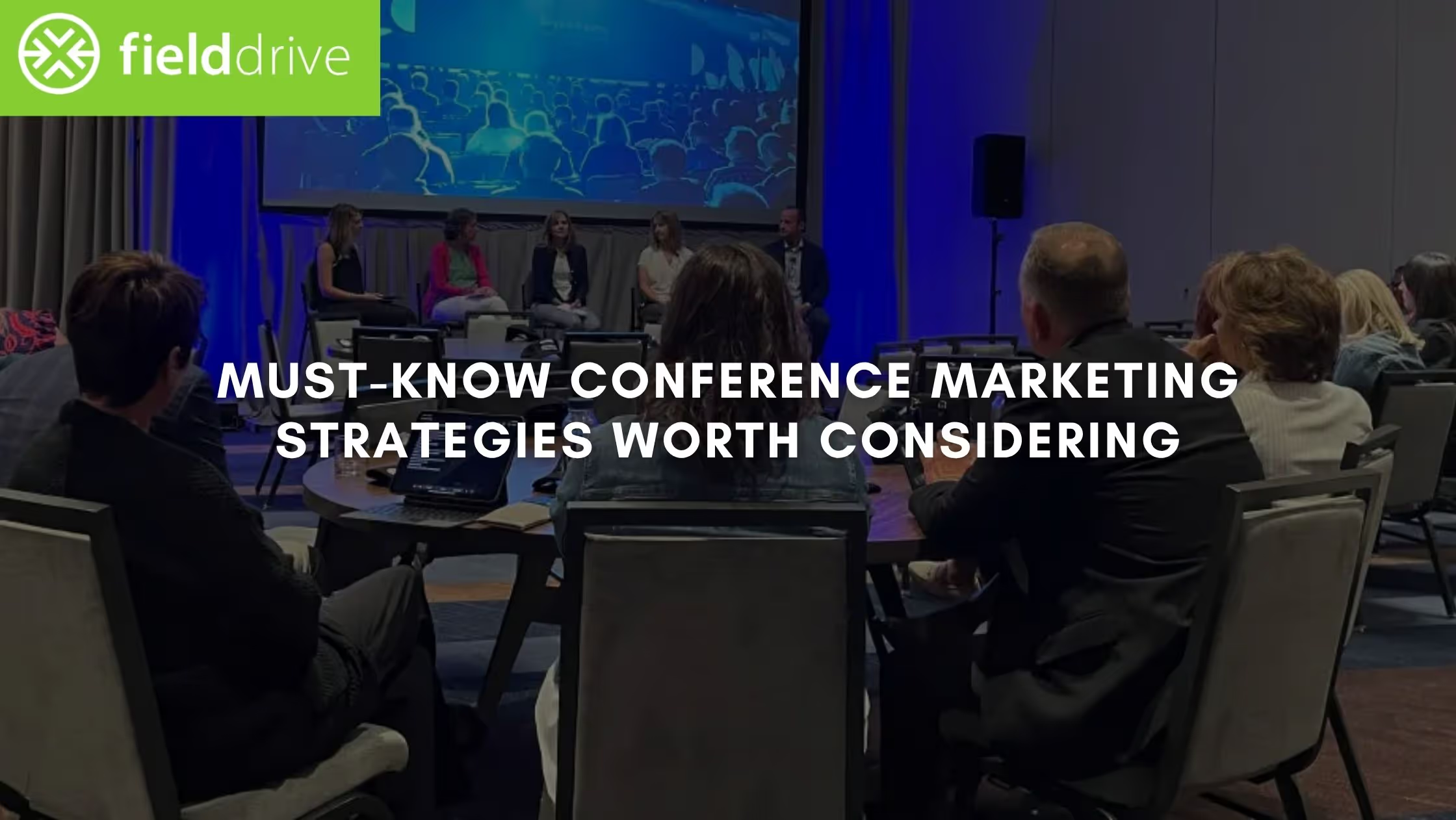
Conference marketing gets real when registration targets lag, sponsors want a quality audience, and your team tries to predict whether early interest will translate into attendance. For an event director like you, the pressure is more than just filling seats. It is attracting the right mix of attendees, keeping acquisition costs under control, and avoiding a weak turnout that creates problems across the whole event.
That is why conference marketing needs to be tied to operational outcomes, not just promotion for promotion’s sake. The channels you choose, the messaging you lead with, and the timing of your campaign shape who shows up and how smoothly the event runs.
In this article, we’ll walk through practical conference marketing tactics and planning decisions. These will help you drive stronger attendance, reduce uncertainty, and set the event up for a better on-site experience from the start.
Key Takeaways
- Audience fit: Strong conference marketing starts with clear audience targeting and segmentation because broad messaging can fill the room with the wrong people or leave registrations flat.
- Event offer: Your speakers, sessions, networking value, and positioning need to be easy to understand because unclear value makes every channel less effective.
- Website journey: The event website, app, and registration flow act as conversion tools, so friction here can waste campaign spend and reduce attendee confidence right before sign-up.
- Channel focus: The best-performing channels are the ones your audience already uses, which is why e-mail, social, content, and community tactics should follow audience behavior rather than habits.
- Demand tactics: Speaker promotion, incentives, partnerships, testimonials, and video content work best when each tactic has a clear role in moving prospects from awareness to registration.
- Post-event loop: Follow-up content, surveys, and performance tracking matter because conference marketing should inform the next campaign, not stop when the event ends.
- Operational link: Marketing success only holds up if on-site execution does too, since check-in delays, badge pickup issues, and weak attendee flow can undercut the experience you promoted.
What Conference Marketing Really Means for You
Conference marketing is the strategic work of promoting a conference to attract the right attendees, sponsors, and exhibitors. It includes the activities that build awareness, generate interest, and drive registrations, but it is not limited to paid advertising. It also covers the planning decisions that shape how your event is presented and how effectively you reach the people most likely to attend.
The goal is not just to get attention. Strong conference marketing helps maximize attendance, strengthen the event’s visibility and reputation, and set the stage for a successful experience for everyone involved. It should also deliver value before the event begins by showing your audience why the conference is worth their time. In simple words, that translates to what they can expect to gain from attending.
That said, if your targeting is off, you may end up filling the room with the wrong audience. If your messaging is weak, registrations may stall. If your content does not build enough trust or interest, attendees may not feel confident enough to commit. Good marketing reduces that risk by connecting the right audience with the right message early enough to influence attendance.
Build the Conference Marketing Foundation Before You Push for Registrations
The most creative campaign idea will not help much if the basics are weak. For an event director, conference marketing starts with the foundation. If that is unclear, even a strong promotion can lead to wasted spend and low conversion. So, before you scale your outreach, make sure the core structure is working.
What to Lock In Before You Market the Conference: A Quick Reckoner
1. Start With a Clear Strategy
Your conference marketing strategy should grow from the event concept itself. That means being clear on your goals, your audience, your available budget, and what makes the event worth attending. It also means knowing your strengths, spotting likely weak points, and building a realistic timeline for content and promotion.
A practical strategy should cover:
- Core goals and objectives
- The primary audience segments you want to reach
- Key message and value proposition
- Budget and resource limits
- Campaign timeline
- The content and channels you will use
Why it matters: Without a clear plan, marketing activity becomes reactive. You may still create noise, but it will be harder to reach the right people or prove that the campaign is working.
Example: If your conference is designed for senior operations leaders, your strategy should not sound broad or generic. It should focus on the specific sessions, speakers, and networking outcomes that matter to that audience, then build promotion around those priorities.
2. Define the Audience Before Defining the Campaign
A conference rarely succeeds by trying to appeal to everyone. You need to identify the people most likely to attend, understand what matters to them, and group them to help you tailor your message.
You can build that view through:
- Market research
- Conversations with industry experts
- Buyer or attendee personas
- Observation of where your audience spends time online
Once you know who you want to reach, segment the audience based on shared traits such as:
- Behavior: spending habits, loyalty, past engagement
- Demographics: age, language, location, role
- Psychographics: interests, values, opinions, lifestyle
- Technology use: which can influence event format (in-person or hybrid) and communication style
Key insight: Segmentation helps you move from one general campaign to several more relevant ones. That usually leads to stronger messaging, better response rates, and a clearer value proposition for each audience group.
Pro tip: Look at your previous event data before building a new persona. It can help you spot patterns, missed audiences, and gaps in your current positioning.
3. Make the Offer Easy to Understand
Before people commit, they need a clear reason to care. Your conference offer should explain what makes the event stand out and why attending is worth the time and cost.
That could include:
- Strong speakers
- Exclusive content
- Focused networking opportunities
- Practical workshops
- Timely industry relevance
Detailed session descriptions and speaker bios can help generate interest earlier, while a strong visual presentation can make the content easier to understand and promote. That said, the offer should be tied to the audience’s desired outcome. When the value feels clear and specific, your campaign has a much better chance of converting attention into registrations.
Why it matters: Weak positioning leads to weak marketing. If the event offer is too vague, no campaign channel will fix that.
4. Treat the Website and Event App as Conversion Tools
Your website is where your campaign traffic goes, and your event app can reinforce the overall attendee experience. If either feels confusing, outdated, or difficult to use, your marketing loses momentum at the moment it matters most.
Focus on the following basics:
- Consistent branding
- Simple navigation
- A logical content hierarchy
- Clear calls to action
- Mobile-friendly design
- Strong testing before launch
Your conference website should make it easy for visitors to find the essentials, including the date, venue, speakers, sessions, pricing, and FAQs. The design should support decision-making, not create friction.
5. Remove Friction From Registration
Registration is the point where your marketing either pays off or breaks down. If the process is complicated, unreliable, or unclear, you create a drop-off right at the finish line.
Before going live, test for:
- Form clarity
- Mobile usability
- Page speed
- Confirmation flow
- Technical issues or broken steps
This is especially important because registration does more than capture names. It shapes first impressions and directly affects how confidently attendees move toward event day.
6. Choose Channels Based on Audience Fit, not Habit
It is tempting to spread promotion everywhere, but the better approach is to focus resources on the channels that matter most to your target audience. Social media can play a useful role, but only if it aligns with how your attendees actually discover and evaluate events.
A smart channel mix may include:
- Social platforms where your audience is already active
- E-mail campaigns
- Content marketing, such as blogs, webinars, or videos
- Community spaces such as groups, threads, or forums
Pro tip: Go where your audience already spends time. If you want sharper messaging, listen to the conversations they are already having before you build campaign copy.
7. Set a Realistic Budget and Use it Carefully
A clear conference budget helps you make better marketing choices and avoid last-minute financial pressure. It also forces better prioritization. Instead of trying every tactic, you can focus on the approaches most likely to deliver reach and registrations within your limits.
Budget planning should account for:
- Paid promotion
- Content production
- Website and platform costs
- Creative assets
- Contingency room for adjustments
The goal is not just to spend less. It is to use resources in ways that support reach, engagement, and conversion without losing control of overall event performance.
8. Measure What Works and Use it Again
Conference marketing should create a feedback loop. The more clearly you measure results, the easier it becomes to improve your next campaign. Useful metrics may include:
- Lead generation
- Conversion rates
- Engagement rates
- Ticket sales revenue
- Visitor behavior on the event website
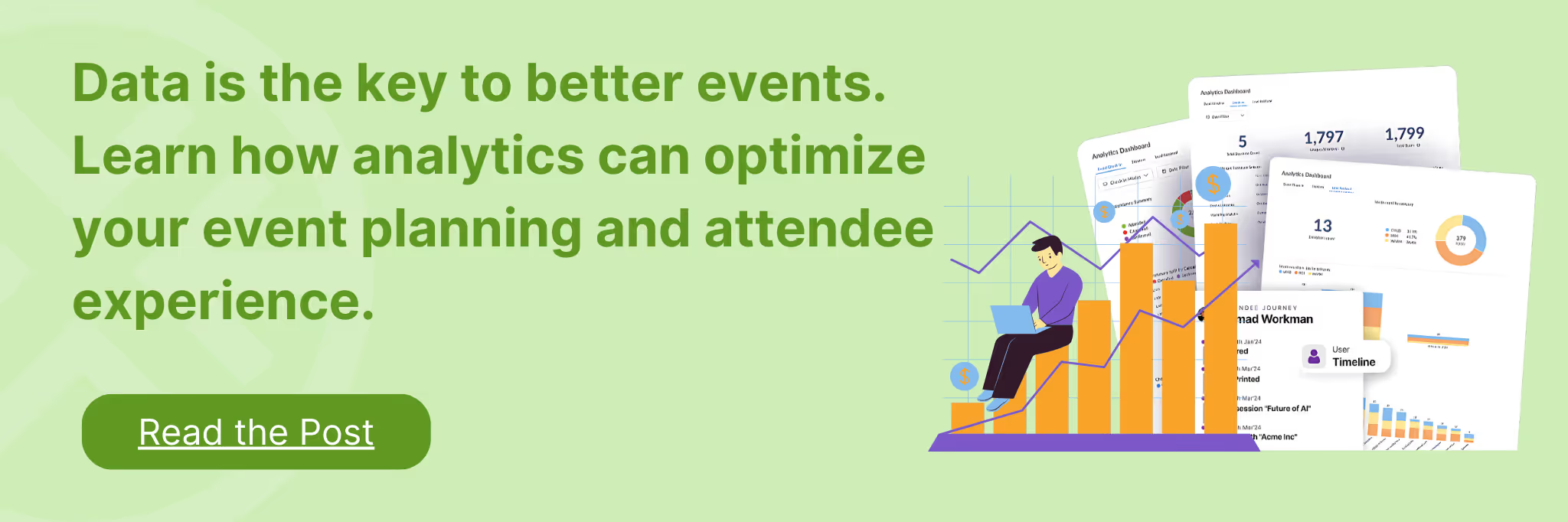
To get all of this data at your fingertips, consider using solutions like fielddrive's real-time analytics platform.
9. Plan the Follow-up Before the Conference Ends
Post-conference follow-up is part of the marketing cycle, not an afterthought. It helps you maintain momentum, gather useful insight, and strengthen relationships with attendees, speakers, and sponsors.
That can include:
- Personalized thank-you e-mails
- Post-event surveys
- Session recordings and slides
- Continued community updates
- Follow-up content tied to the event themes
Why it matters: If you stop communicating as soon as the conference ends, you miss a valuable opportunity to extend engagement and learn what should change next time.
Also Read: Conference Timeline Guide 2026: Checklist & Planning Steps
Conference Promotion Tactics That Turn Interest Into Registrations
Once your strategy, audience, and registration journey are in place, the next job is building demand. For you, that means choosing promotion tactics that do more than create noise. You need marketing that brings in the right attendees, strengthens sponsor value, and keeps momentum going from launch through event day.
The strongest conference marketing plans usually combine direct outreach, partner amplification, social proof, and audience engagement. The key is not doing everything at once. It is using each tactic for a specific job in the attendee journey.
1. Use E-mail Like a Conversion Tool, Not Just an Announcement Channel
E-mail remains one of the most effective ways to share conference content and drive registration. But generic sends rarely do enough. If you want stronger opens, clicks, and conversions, your messaging should reflect who the subscriber is and what matters to them.
A more targeted e-mail approach can include:
- Tailoring content by attendee demographics, preferences, or behavior
- Using the subscriber’s name in the subject line, preheader, or body copy
- Matching offers and messaging to different audience segments
- Adjusting visuals, where the budget allows, to make the e-mail feel more relevant
Why it matters: The closer your e-mail feels to the reader’s interests, the easier it becomes for them to see why the conference is worth their time.
Example: If you are marketing a conference to operations leaders, a general e-mail about “exciting sessions” may not be very effective. A segmented version focused on practical workshops, speaker credibility, and peer networking will usually feel more relevant.
2. Give People a Reason to Act Now
Not every attendee registers because they are fully convinced on the first touch. Sometimes they need a timely nudge. That is where incentives can help.
Useful options include:
- Early bird pricing to encourage early commitment
- Access to exclusive content
- Limited-time perks
- Discounts tied to a registration window
- Upfront rewards for survey participation
- On-site incentives such as gift vouchers, lunch, snacks, or raffle entry
Early-bird offers can be especially useful because they do two things at once: they create urgency and help you gauge demand earlier in the campaign.
Key insight: A good incentive should support the event offer, not distract from it. If your conference value is unclear, discounts alone will not fix that.
3. Turn Speakers into Part of the Marketing Engine
Speakers do more than fill agenda slots. They can shape how the market sees your conference and can help bring in an audience that already trusts them. Ways to make speaker promotion more effective include:
- Featuring speakers in paid campaigns
- Creating speaker profile pages with shareable links
- Running short “Meet the Speaker” interviews or live Q&A sessions
- Giving speakers a discount or promo code to share with their audience
- Providing ready-to-use assets such as hashtags, agenda highlights, and free-ticket options
Why it matters: When speakers actively promote their involvement, your conference gains reach and credibility.
4. Build Smart Partnerships Instead of Marketing Alone
Conference marketing often performs better when it borrows trust from people or brands your audience already knows. That can come from influencers, sponsors, media partners, podcast hosts, or industry partners.
A strong partnership plan may include:
- Working with influencers who already speak to your audience
- Checking that their tone, values, and messaging fit your brand
- Reviewing engagement quality, not just follower size
- Inviting them to speak or join a panel
- Partnering with media outlets to talk about the event
- Appearing as a guest on relevant industry podcasts
- Creating sponsor packages that exchange visibility for financial or service support
- Offering affiliate-style incentives to encourage partners to promote the event
Pro tip: Before agreeing to a partnership, ask a simple question: Does this person or brand help us reach the exact audience we want in the room?
5. Use Social Media to Keep the Event Visible and Active
Social media works best when it supports the rest of your campaign, not when it tries to carry the entire plan on its own. For you, the goal is to keep the conference visible, current, and easy to follow.
A practical social plan can include:
- A countdown campaign leading up to the event
- A unique hashtag to keep the discussion in one place
- An event page with key details
- Regular updates as speakers, sessions, or milestones are announced
- Giveaways such as free tickets or one-on-one time with a speaker
- Paid social to reach people outside your current audience
- Teaser videos and speaker clips to create momentum
- Posts that highlight the problem your conference helps solve
Pro tip: You should also stay active in comments and direct messages. Human interaction matters here. If your responses feel overly automated, trust can drop quickly.
Why it matters: People often decide whether an event feels credible and active based on the quality of its public presence. A stale or one-way social feed can make the event feel less compelling.
6. Let Proof and Visuals Do More of the Selling
Visual content can make your conference feel real before it happens. It gives prospects a clearer picture of the experience and helps reduce uncertainty. Content formats worth using include:
- Behind-the-scenes clips from planning or setup
- Venue previews
- Highlight reels from previous events
- Attendee or delegate testimonials
- Story-led posts that show what made previous events valuable
This is also where your past event content becomes useful. Photos, videos, and attendee feedback can help prospects understand what they are signing up for.
Key insight: People are often more persuaded by proof than by promotion. A short testimonial or event recap can do more than another polished ad.
7. Give Attendees Ways to Engage Before the Conference Starts
Pre-event engagement can make your audience feel involved before they ever arrive on-site. That usually helps maintain interest and gives you better insight into what matters most to them.
Tactics that support this include:
- Online polls about topics such as food options, sessions, or event activities
- Private networking spaces like Facebook groups or Discord channels
- Interactive sessions or networking opportunities announced in advance
- Digital gamification to build excitement before event day
Gamification can be especially effective when it is tied to real participation. Examples include app-based challenges, scavenger hunts, point systems, badges or rewards, leaderboards displayed on screens, prizes such as merchandise or VIP access, etc.
Also Read: Top 10 Interactive Conference Ideas to Engage Attendees
8. Use Selective Live Access to Widen Reach (Without Giving Everything Away)
Live broadcasting can help extend your conference beyond the venue, especially for hybrid or remote audiences. It can also create interest among people who could not attend in person. That said, it works best when used carefully. If ticket sales are a top priority, you may not want to give away every session for free.
A balanced approach can include:
- Streaming selected moments or sessions
- Allowing remote audiences to follow key activities in real time
- Recording sessions for live attendees to access later
- Using live access to support visibility while protecting the value of the in-person ticket
Pro tip: Think of live streaming as a marketing and engagement tool, not a replacement for the on-site experience.
9. Keep the Conference Working After the Campaign Launch
A good conference creates marketing material long before and long after event day. That is why repurposing content should be part of your plan from the start. You can turn conference content into:
- Blog posts
- Articles
- eBooks
- Podcasts
- Short-form videos and reels
- Carousel posts
- Static social posts
- Quotes and snippets for e-mail campaigns
- Highlight and recap videos
You can also create free resources or other value-led materials that encourage sign-ups before the event. These pieces help build awareness while also giving your audience a practical reason to stay connected.
Why it matters: Repurposing helps you get more value from each speaker, session, and campaign asset, rather than starting from scratch every time.
10. Consider Interactive Tech When it Supports the Experience
Technology-driven promotion or engagement can add interest when it is tied to a clear attendee benefit. The key is to use it with purpose, not just because it sounds impressive.
Examples include:
- AI chatbot support in the event app to answer questions, share schedule updates, and suggest relevant sessions
- AR experiences that let attendees scan badges and view profiles or networking information
- App-based gamification that encourages exploration and participation
Also Read: AI in Event Marketing 2026: Your Guide to Bring High-Quality Attendees
Wrapping Up
Strong conference marketing starts with the basics: a clear audience, a strong offer, the right channels, and content that gives people a reason to register. When those pieces work together, marketing does more than drive attention. It helps you attract the right attendees, support sponsor value, and set the event up for stronger results.
That is where fielddrive can help early. Through their consultative approach, you can plan with more clarity around audience needs, event goals, and operational requirements before promotion scales. That said, bringing in the right audience is only half the job. You also need to execute well on-site, from check-in and badge printing to session access and event-day data capture. fielddrive supports that full journey, too, with the required on-site technology built for smoother execution and better visibility.
So, if you're planning your next conference, this is a good time to step back and make sure your marketing and on-site execution are working toward the same outcome. Consider reaching out to fielddrive to plan the event properly from the start.
FAQs
1. How far in advance should you start conference marketing?
You should start conference marketing months before the event, not just a few weeks before registration slows down. Early planning gives you time to announce the event, open early-bird pricing, line up speakers, test the website, and refine the registration flow. That, in turn, builds enough momentum for attendance decisions that often take time.
2. How can you market a conference on a limited budget?
You can market a conference on a limited budget by focusing on channels you already own and audiences you already know. E-mail lists, speaker promotion, partner outreach, repurposed content, and targeted social activity usually deliver more value than spreading a small budget across too many paid campaigns.
3. How do you know if conference marketing is working?
You know conference marketing is working when the right people are moving through the funnel, not just when impressions or clicks go up. The most useful signals are registration volume, conversion rate, source performance, audience fit, and whether interest is turning into real attendance and stronger on-site flow.
4. How often should you e-mail people about a conference?
You should e-mail often enough to build momentum without making every send feel repetitive. A practical approach is to send around major milestones such as launch, speaker reveals, early-bird deadlines, agenda updates, and final reminders. Tailor messaging to where each audience segment is in the decision process.
5. Should you market a conference before all speakers are confirmed?
Yes, you can start marketing a conference before every speaker is confirmed if the event value is already clear. Early promotion usually works best when you lead with the topic, audience fit, timing, and expected outcomes. Then add speaker announcements in waves to keep momentum building.
.svg)
.svg)
.svg)
Want to learn how fielddrive can help you elevate your events?
Book a call with our experts today


.svg)